


Paragraph 1: The Proposal and Initial Reactions
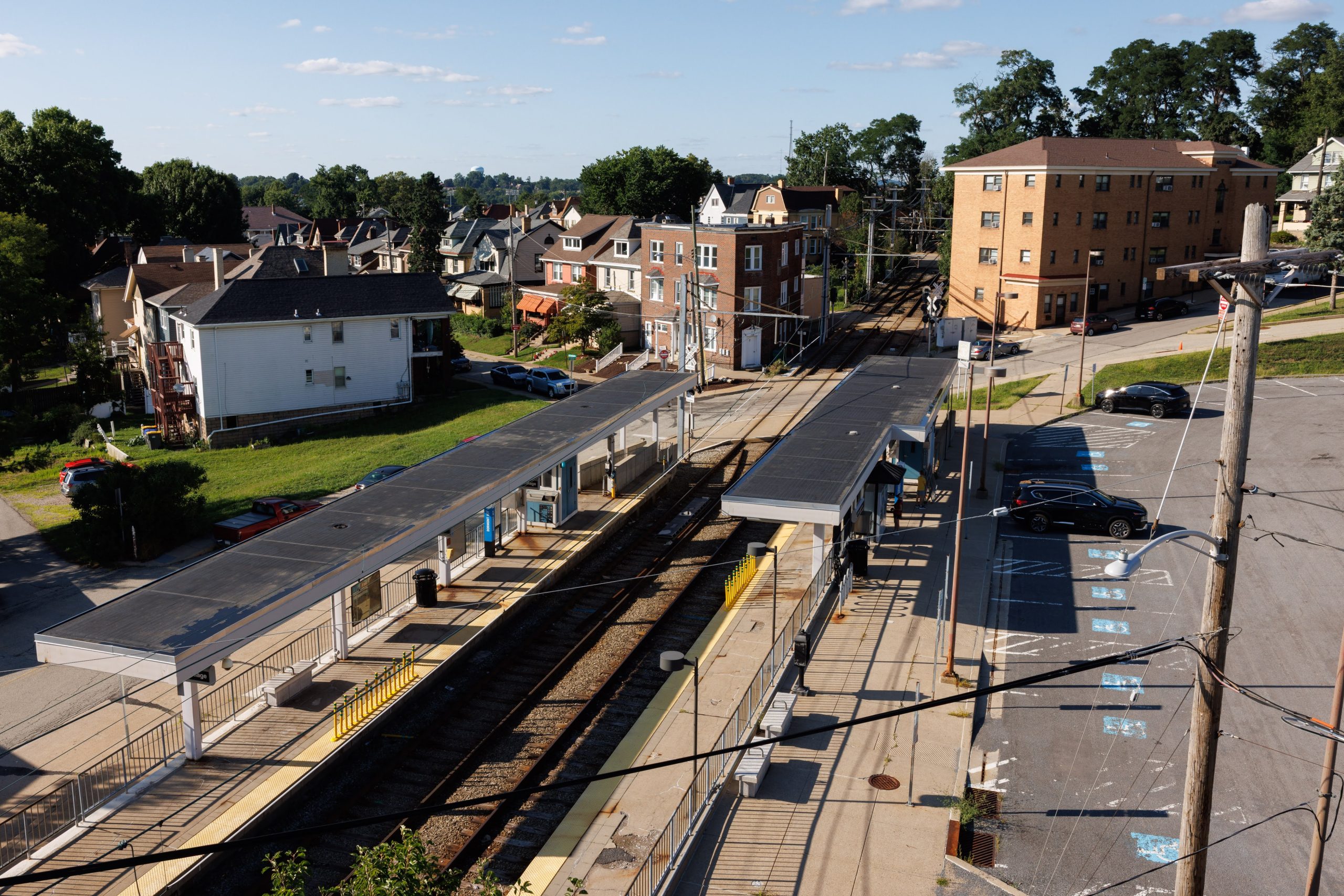
In Dormont, a borough just south of Pittsburgh, officials are evaluating a significant redevelopment proposal centered around the Red Line transit station. The project, a partnership between Pittsburgh Regional Transit, the borough, and the Philadelphia-based developer Pennrose, would transform the existing park-and-ride lot into a mixed-use development featuring 180 apartment units. Of these, 113 would be designated as affordable housing for residents earning 80% or below the area’s average median income. The ambitious plan also includes the renovation of the transit station, traffic infrastructure improvements, and the construction of an underground garage with 162 parking spaces. This proposal comes at a time when rents are rising and the housing market is tight, making the underutilized transit site an attractive opportunity for new residential development, according to a PRT planning document. However, like many large-scale development projects, it has quickly become a source of contention, drawing competing visions for the borough’s future and sparking a heated debate among residents, with supporters seeing a chance to add much-needed housing near public transit and opponents raising concerns about traffic, taxes, density, and the community’s residential character.
Paragraph 2: Opposition and Community Concerns
Opposition to the project surfaced almost immediately, with concerns expressed at a mid-May council meeting where six of seven speakers voiced their disapproval. Residents like Robert Dini argued the proposal is “insane,” fearing it would negatively impact the borough’s residential character and potentially lower property values by introducing a large number of renters. Other concerns centered on potential traffic increases, the perceived limitations of affordable housing on tax revenue, and the environmental implications of building a parking garage over the former Mansfield Mine. While the project has some supporters, like Daniel Webb, who is “morally in favor of affordable housing,” the narrative has been dominated by a well-organized opposition campaign. This campaign, formed online and at borough meetings, has amplified the concerns of local residents, creating a tense and polarized atmosphere around the proposal’s future as the borough council works to determine if the project is feasible for the community.
Paragraph 3: The Spread of Misinformation and the 45-Year Claim
As the debate intensified, a significant complication arose: false and misleading information began circulating among the project’s opponents. The most prominent disputed claim is that developer Pennrose is seeking a 45-year property tax exemption, a figure that has been repeated by residents at public meetings and in campaign materials. This claim is inaccurate; no tax break has been sought, and the tax-abatement program cited as the basis for the claim, a Local Economic Revitalization Tax Assistance Act (LERTA), has a 10-year limit. The misinformation has spread despite the borough creating a “mythbusting” FAQ page to correct inaccuracies. Madelyn Joy Smith, a Mt. Lebanon resident who has emerged as a key organizer of the opposition, has acknowledged the 45-year figure was a “misstatement,” suggesting it arose from confusion between the project’s longer-term ground lease and a possible tax abatement, but she has incorporated the claim into her petition and campaign materials.
Paragraph 4: The Role of AI in Civic Advocacy
The opposition campaign is notable not just for its misinformation but for the methods of its most visible organizer. Madelyn Joy Smith, who grew up in Dormont, has created a petition and raised funds for a billboard, and she told Pittsburgh’s Public Source that she uses Google Gemini, an AI chatbot, as a “conversational research and writing partner” to draft Facebook posts and other documents related to the project. While generative AI can lower barriers to civic participation by helping people organize and write, experts note it also makes it easier for inaccurate information to spread. The AI can produce incorrect information, or “hallucinations,” which is particularly risky when applied to new events or projects with little public information available. This has led borough officials, like Council President Amie Downs, to say that residents’ reliance on AI-generated information has made it harder for the borough to correct misunderstandings, as people may be using a bot that is not educating them accurately.
Paragraph 5: AI’s Broader Impact on Civic Engagement
The situation in Dormont is not isolated, as other Allegheny County municipalities are also seeing AI enter civic participation. Tarentum Borough Manager Dwight Boddorf has noted an increase in residents using AI to draft communications, some of which have cited non-existent laws or mixed up facts from different municipalities, making it more difficult for officials to respond. Experts like Karen Mossberger from Arizona State University say AI can lower barriers for residents, but the problem arises when people rely on it to determine the underlying facts. Beth Schwanke from the University of Pittsburgh’s Institute for Cyber Law, Policy and Security describes AI as a “double-edged sword,” capable of helping residents engage with government but also presenting significant problems. The challenge for municipalities is navigating this new landscape where AI can be a tool for empowerment or a source of confusion, complicating the relationship between citizens and their local government.
Paragraph 6: The Project’s Unsettled Future
The Dormont Junction project is the first of five transit-oriented developments planned by PRT to boost ridership and create housing near transit lines, with others in Carnegie, Wilkinsburg, Brushton, and the South Hills. The agreement between Dormont and its partners allows for a six-month to two-year period to discuss issues like traffic, taxes, and design, and the borough is still reviewing its agreement with Pennrose. The project’s future remains unsettled, and the misinformation circulating online has had a tangible effect, prompting at least one resident, Daniel Webb, to attend his first council meeting to speak in favor of the project. Webb expressed concern that the project could be derailed before all the facts are known, questioning how the public good can survive a process so fraught with misinformation. The debate in Dormont highlights the complexities of modern civic engagement, where development proposals are no longer just about zoning and traffic, but also about the battle for accurate information in an age of AI and social media.