









Paragraph 1: The Ubiquitous Shadow of Health Falsehoods
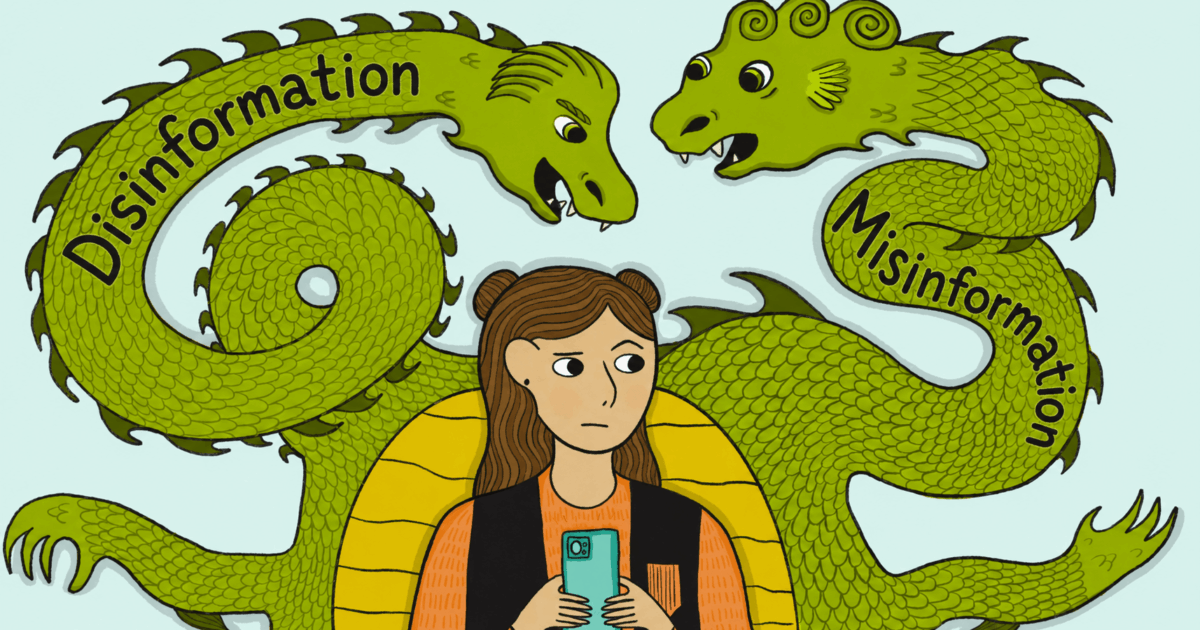
In the sprawling digital ecosystem of the 21st century, the average citizen is bombarded with a relentless, 24/7 stream of health-related content. From miracle weight-loss teas promoted by well-coiffed influencers to dire warnings about 5G towers causing brain damage, the internet paradoxically serves as both an empowering health resource and a fertile breeding ground for falsehoods. The term “health misinformation” has emerged as a catch-all to describe this pervasive phenomenon, encompassing conspiracy theories, well-intentioned but scientifically unsound advice, and common misconceptions that spread like wildfire through social media feeds, group chats, and forwarded emails. Typically, such misinformation originates from ignorance, poor judgment, or a simple failure to verify facts before hitting “share.” A well-meaning grandmother sharing a home remedy for arthritis, a fitness blogger posting unverified supplement advice, or a parent group passing along a viral post about “toxic” sunscreen are classic examples. They do not harbor malicious intent; they often genuinely believe the advice they are sharing, or they are simply passing along content without critical analysis. This accidental nature of misinformation creates a complex challenge for public health officials, as correcting it requires education, gentle clarification, and reliable fact-checking rather than combative policing. However, within this digital swamp of inaccuracies, there exists a darker, more calculated player: health disinformation. While the two terms are frequently used interchangeably in casual conversation, and sometimes even by media outlets themselves, conflating them obscures a vital distinction that has profound implications for medical trust, public safety, and the very fabric of democratic governance. Understanding this distinction is the first step toward building a resilient immune system against manipulative online health narratives.
Paragraph 2: The Divergent Paths of Misinformation and Disinformation
At the core of the difference between misinformation and disinformation lies the intent of the creator, distributor, and amplifier. Health disinformation is not an accident; it is a deliberate, calculated act of deception. It is intentionally created and distributed by individuals or organizations who are fully aware that the information is false, yet choose to push it forward anyway. Their primary objective is not to educate or share a helpful tip, but to deceive and manipulate a specific audience for a predetermined outcome. Whereas misinformation might start innocently—perhaps a person misreads a scientific study and posts a misleading conclusion, or someone falls for a satirical article before realizing its nature—disinformation is meticulously engineered. It often takes a kernel of truth, wraps it in complex pseudo-scientific jargon, and presents it with the visual polish of a legitimate news source or official medical report to lend it an air of authority. The distributor of disinformation knows precisely what they are doing. They might be a nefarious political operative seeking to sway an election, a scrupulous predator hoping to sell unproven treatments to desperate patients, or a foreign adversary aiming to destabilize a nation’s public health infrastructure for strategic advantage. The consequence is that while misinformation can be addressed with fact-checking and literacy campaigns, disinformation requires a more robust defensive strategy involving digital forensics, platform accountability, regulation, and the active identification of behind-the-scenes funding sources. Understanding this distinction empowers individuals to move beyond merely questioning the validity of the information on the surface and to critically question the motives behind its distribution, asking “who benefits from this falsehood?”
Paragraph 3: The Corrosive Engines of Profit and Ideological Agendas
The motivations driving the creation and dissemination of health disinformation are diverse, but they all stem from a place of exploitation or malice. The first significant driver is profit, pure and simple. The health industry is a multi-trillion dollar global market, and disinformation campaigns often serve commercial interests. For example, a producer of unregulated “miracle cures” or questionable dietary supplements might invest heavily in creating viral disinformation posts that discredit conventional medicine and encourage people to buy their untested snake oil. Every click, share, and view translates to monetary gain for the platform owner, regardless of the veracity of the content. This economic incentive creates an entire ecosystem of content farms dedicated to producing sensational, fear-inducing health headlines designed to maximize advertising revenue. A second, equally powerful motivator is the advancement of an ideological agenda. Disinformation is frequently weaponized to promote fringe political or philosophical beliefs that are detached from scientific consensus. The anti-vaccine movement, for instance, is not solely based on a few confused parents; it is perpetuated by well-funded organizations, charismatic influencers, and political figures who use cherry-picked pseudoscience to portray themselves as rebels against a tyrannical government or a corrupt pharmaceutical cartel. These ideological campaigns often intertwine with broader anti-establishment narratives, seeking to capitalize on existing public distrust and channel it into specific policy objectives, political polarization, or even legislative changes that weaken public health mandates. By framing health issues as a battle for personal liberty versus oppressive control, these disinformation peddlers create a tribal identity that is all but immune to factual correction.
Paragraph 4: Sowing Panic, Fear, and the Erosion of Institutional Trust
Beyond financial and ideological gains, health disinformation is also deployed as a deliberate tool to cause panic and fear, often with the strategic goal of destabilizing social order. By inflating the dangers of a novel virus, exaggerating the rare side effects of a standard vaccine, or inventing entirely false health emergencies, bad actors can create widespread hysteria. This psychological warfare aims to destabilize communities, overwhelm healthcare systems with unnecessary panic visits, and distract public health officials from actual emerging threats. The chaos sown by such fear-mongering provides a manipulated population that is easier to control, exploit, or politically sway. Crucially, one of the most corrosive and long-lasting goals of health disinformation is the systematic erosion of trust in institutions. When disinformation successfully convinces a segment of the population that hospitals are hiding the truth about autopsy data, that public health agencies like the CDC or WHO are corrupt pawns of Big Pharma, or that doctors are profit-driven butchers, it undermines the very foundation of modern medicine. This erosion of trust has a cascading, life-threatening effect: patients delay critical cancer screenings, refuse life-saving childhood immunizations, and turn to unqualified quacks for serious illnesses. The damage extends far beyond the individual, fracturing the collective response to public health emergencies. When a critical mass of the public no longer trusts external sources of authority, they retreat into echo chambers of confirmation bias, where they are entirely vulnerable to the loudest, most manipulative disinformation narrative that validates their fears. This loss of civic trust is extraordinarily difficult to rebuild, and it creates a permanent vulnerability that can be exploited again and again in future crises.
Paragraph 5: Identifying the Perpetrators – The Digital Fingerprints of Deception
Because health disinformation is a calculated endeavor rather than a spontaneous act of sharing, those who distribute it often leave behind identifiable digital fingerprints that astute users can learn to recognize. Understanding these common characteristics is a critical tool for consumers hoping to navigate the murky waters of social media. The first and most obvious characteristic is recency: most accounts dedicated to spreading health disinformation are recently created. They have not typically built a reputation over years of genuine interaction, community building, or posting a mix of topics. Instead, they are spun up quickly—sometimes within hours—to ride the wave of a current crisis or trending topic, such as a new global pandemic, a vaccine rollout, or the approval of a new drug. The second is a narrow, obsessive focus: these accounts fixate on a single specific topic to the exclusion of almost everything else. You will rarely find a credible disinformation account sharing cat memes, vacation photos, or mundane personal updates alongside their claims; their entire feed is laser-focused on one dangerous narrative, such as “COVID-19 is a hoax,” “fluoride in water is mind control,” or “chemotherapy is poison.” Third, the account profiles are often woefully sparse and lack a genuine human history. There are no graduation photos, no mentions of a hometown, no links to a real workplace or educational institution—just a generic, often AI-generated avatar, a vague bio composed of hashtags, and perhaps a link to a sketchy, pop-up-ad-ridden blog. Finally, the most telling sign is the stark contrast between digital noise and actual engagement. These accounts often appear to have a high volume of activity, boasting thousands of followers and tens of thousands of posts. However, scrutinizing the interactions reveals emptiness: almost no genuine comments, no thoughtful replies, and no real-time discussions. These are bot accounts, orchestrated by automated networks or “troll farms” located in various countries, designed to amplify disinformation artificially, drowning out factual content by sheer volume while providing no substantive human participation in the conversation. Recognizing these “empty gestures” of social media activity is crucial for filtering out the noise.
Paragraph 6: A Collective Defense for the Future
In conclusion, recognizing the difference between health misinformation and disinformation is not merely an academic exercise; it is a practical survival skill in the modern information age. As the provided insights demonstrate, disinformation is a weaponized tool, engineered with the specific intent to deceive, harm, and manipulate. By understanding its core motivations—whether they be profit-driven, ideologically charged, panic-inducing, or aimed at dismantling public trust—we can better anticipate its arrival and prepare countermeasures. Similarly, by spotting the hallmarks of fake accounts, such as their recent creation, hyper-specific focus, anonymous profiles, and bot-like inactivity, individuals can become more resilient to manipulation. The fight against health disinformation is a collective endeavor that requires coordinated action on multiple fronts. It requires social media platforms to aggressively identify and remove bot networks, verify account identities, and transparently address algorithmic amplification of hostile content. It requires public health agencies to communicate proactively, transparently, and quickly, closing the information gaps where disinformation thrives and using sophisticated messaging strategies to compete for attention. Finally, it requires each individual to adopt a posture of healthy skepticism—not just toward the content itself, but toward the identity and intent of the person delivering it. While we may not be able to eliminate the existence of malicious actors, we can build a society that is too informed, too critical, and too connected to fall for their deceptive schemes. By prioritizing media literacy and fostering an environment of critical inquiry, we can ensure that public health decisions are based on evidence and compassion, rather than fear, lies, and manipulation.


