


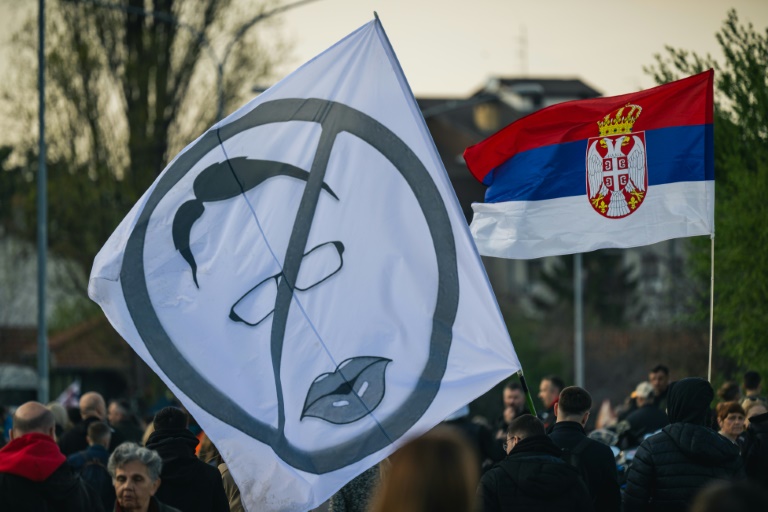
Disinformation Surge Targets Serbia’s Student Protests, Undermining Genuine Grievances and Sowing Societal Discord
Belgrade, Serbia – A wave of disinformation and manipulated narratives is sweeping across social media and pro-government outlets in Serbia, directly targeting the recent surge of student-led protests. These demonstrations, sparked by two devastating mass shootings in May, have channeled widespread public grief and anger into demands for stricter gun control, media accountability, and the resignation of top government officials. However, instead of engaging with these legitimate concerns, the government and its aligned media apparatus have embarked on a concerted campaign to discredit the protesters, portray them as manipulated pawns, and deflect attention from the underlying social issues fueling the unrest. This disinformation campaign, analysts warn, risks further polarizing Serbian society and undermining democratic discourse.
The core narrative being propagated paints the student protests as a foreign-backed conspiracy designed to destabilize the country and overthrow President Aleksandar Vučić. Pro-government media outlets have consistently portrayed the protests as orchestrated by external actors, often citing vague and unsubstantiated claims of Western interference. These narratives resonate with a segment of the population receptive to conspiracy theories and distrustful of Western institutions. Simultaneously, carefully curated social media campaigns amplify these messages, often employing bots and fake accounts to disseminate misleading information and create an illusion of widespread support for the government’s stance. This orchestrated online activity works in concert with statements from government officials who dismiss the protesters as "pawns" or "puppets" manipulated by unseen forces.
The disinformation campaign employs several distinct tactics. One prominent strategy involves misrepresenting the protesters’ demands and motivations. While the students have clearly articulated their focus on gun control, media accountability, and government responsibility for the prevailing climate of violence, pro-government narratives often distort these demands, portraying the protests as a veiled attempt to seize power. Another tactic involves character assassination and ad hominem attacks. Prominent student leaders have been subjected to online harassment, doxing, and smear campaigns designed to discredit them and discourage participation in the demonstrations. Furthermore, the campaign actively sows discord and division within society by framing the protests as a battle between patriots and traitors, deepening existing societal fault lines and hindering constructive dialogue.
The manipulation of information extends beyond the realm of social media and traditional media outlets. Doctored images and videos have surfaced online, purporting to show violent acts committed by protesters or evidence of foreign involvement. These manipulated visuals are then disseminated widely through social media, bolstering the false narratives being peddled by pro-government sources. Similarly, selectively edited clips from interviews and speeches are used out of context to misrepresent the protesters’ views and create a false impression of their intentions. This deliberate manipulation of visual and audio content adds another layer of complexity to the disinformation landscape, making it increasingly difficult for ordinary citizens to discern truth from falsehood.
The consequences of this disinformation surge are multifaceted and potentially far-reaching. By undermining the legitimacy of the student protests, the government avoids addressing the underlying societal issues that have given rise to the unrest. The erosion of trust in independent media and the proliferation of conspiracy theories further polarize public opinion and create a climate of suspicion and hostility. Moreover, the chilling effect of online harassment and smear campaigns can discourage future civic engagement and stifle freedom of expression. This suppression of dissent, coupled with the manipulation of information, poses a serious threat to democratic values and the health of Serbian society.
The ongoing disinformation campaign surrounding the student protests underscores the urgent need for media literacy and critical thinking skills. Citizens must be equipped to identify and resist manipulative tactics employed by both state and non-state actors. Independent journalism and fact-checking organizations play a vital role in exposing disinformation and providing accurate information to the public. Furthermore, social media platforms bear a responsibility to actively combat the spread of disinformation and hold those who create and disseminate false narratives accountable. International organizations and democratic governments must also voice their concern about the erosion of democratic norms in Serbia and support initiatives that promote media freedom and independent journalism. Only through a concerted effort to counter disinformation and uphold democratic values can Serbia navigate this challenging period and address the legitimate concerns of its citizens.