


The Rise of "Wellness Woo" and the Fight Against Misinformation
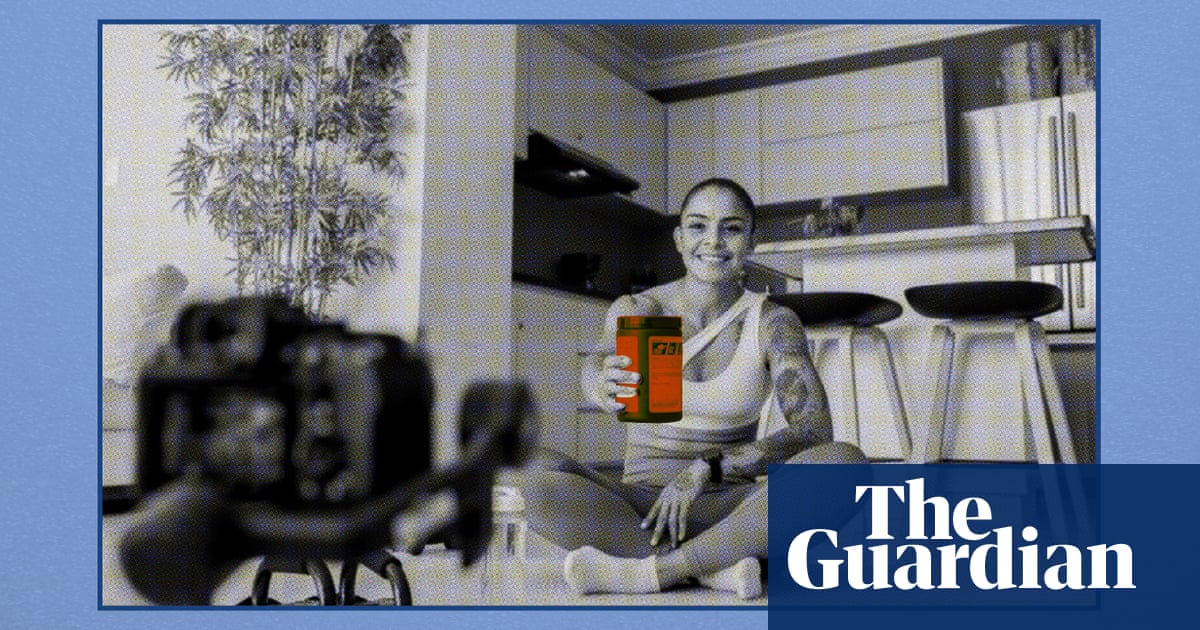
Social media has become a breeding ground for health and wellness misinformation, often dubbed "wellness woo." This phenomenon encompasses various domains, from nutrition and dermatology to parenting and psychology. Characterized by distrust in mainstream medicine, an unwavering belief in the superiority of "natural" remedies, and an overreliance on anecdotal evidence, wellness woo poses a significant threat to public health and scientific literacy. The pervasiveness of this misinformation is alarming, particularly among younger generations who heavily rely on social media for health advice. A worrying statistic reveals that while a vast majority of millennials and Gen Z TikTok users seek health information on the platform, only a tiny fraction of this advice aligns with established public health guidelines. The problem extends beyond influencers, with even political figures echoing debunked theories about vaccines and other crucial public health matters.
Navigating the Maze of Online Health Information: A Guide to Credibility
Discerning credible sources from purveyors of misinformation is crucial for navigating the online health landscape. Experts emphasize the importance of verifying a content creator’s credentials. However, simply having letters after one’s name isn’t enough. Many questionable online courses offer certifications that lack the rigor and validation of accredited degrees. The term "nutritionist," for instance, is often used without proper qualifications, whereas the title "registered dietitian" signifies specific education, training, and licensure. Look for sources with degree-based education from reputable, accredited universities, particularly those recognized by established bodies like the Liaison Committee on Medical Education. Medical doctors who cite credible sources in their online content are generally reliable, especially within their area of specialization. Following experts who actively debunk misinformation can also be helpful.
Scrutinizing Sources and Recognizing Misinformation Tactics
While credentials are important, even qualified professionals can sometimes spread pseudoscience for personal gain. Therefore, adopting a critical approach is essential. The SIFT method – Slow down, Investigate claims, Find supporting research, and Trace claims back to their original context – provides a valuable framework. Understanding different types of scientific studies is also crucial. Randomized controlled trials and meta-analyses offer the strongest evidence for causal relationships. When in doubt, consult a trusted healthcare professional for a second opinion. Be aware of the psychological factors that make individuals susceptible to misinformation, such as openness to experience, conspiracy mentality, narcissism, and confirmation bias – the tendency to favor information that confirms pre-existing beliefs.
Unmasking the Appeal of Misinformation and its Oversimplifications
Health misinformation often thrives by presenting oversimplified solutions to complex problems, appealing to our desire for quick fixes. These claims often contain a kernel of truth, but they omit crucial nuances and complexities, such as the limitations of specific studies or their applicability to particular populations. This oversimplification, combined with fear-mongering tactics, triggers our protective instincts, leading us to share potentially harmful information with others. The virality of such content reinforces its perceived veracity, making it even more challenging to combat. Parasocial relationships with influencers further complicate matters, as we tend to trust those we perceive as having our best interests at heart. Therefore, it’s important to critically assess influencers’ motivations, particularly when they promote products or endorse unproven remedies.
Identifying Rhetorical Tactics and Navigating Influencer Marketing
Recognizing the rhetorical tactics employed by purveyors of misinformation is crucial. One common tactic is the "shill gambit," where influencers deflect criticism by accusing detractors of being paid by large corporations, thereby shifting the focus away from the validity of their claims. Other red flags include manipulative emotional appeals, particularly those involving children or babies; the promotion of one-size-fits-all health hacks; and the insistence on single "root causes" for complex illnesses. Be wary of influencers who avoid answering tough questions, deflect valid criticism, or block dissenting voices. These behaviors often indicate an inability to defend their claims with evidence. In contrast, credible professionals are typically open to respectful, evidence-based discussions.
Empowering Critical Thinking in the Digital Age
The proliferation of health misinformation online presents a significant challenge, but it’s not insurmountable. By cultivating a skeptical, science-based approach and utilizing critical thinking skills, we can effectively navigate the digital health landscape. Verifying information through reputable sources, understanding the limitations of various study types, and recognizing common misinformation tactics are essential tools in this endeavor. While the allure of quick fixes and sensational claims can be powerful, a discerning eye and a commitment to evidence-based information can empower us to make informed decisions about our health and well-being.