



News Article: New Study Quantifies Social Media’s Influence on Health Behaviors, Revealing Demographic Vulnerabilities and Future Pathways for Public Health
Paragraph 1: Introduction and Overview
A groundbreaking new study has developed and validated a specialized questionnaire designed to measure the perceived influence of social media on health-related behaviors, directly addressing a critical gap in the existing research landscape, which has largely relied on qualitative or anecdotal evidence. Conducted with a diverse cohort of participants ranging in age from 18 to 81, the study sought to quantitatively determine how factors such as age, gender, professional background, and specific platform choices correlate with susceptibility to online health trends, products, and advice. The primary objective was to create a robust, reliable instrument that could systematically assess this influence, thereby enabling future quantitative comparisons across different populations and regions. The researchers constructed their tool based on a comprehensive literature review and refined it through consensus with a multidisciplinary expert panel, ensuring strong face and content validity. Preliminary validation of this novel tool demonstrated excellent internal consistency and strong test-retest reliability, confirming its stability as a dependable measure for future research. The results paint a complex picture, revealing that social media’s impact on health choices is far from uniform and is profoundly shaped by demographic and behavioral factors. Notably, the research uncovered significant variations in response to health-related content across different age groups and genders, with younger individuals and women emerging as particularly vulnerable to certain types of influence. Furthermore, the selection of specific social media platforms proved to be a critical determinant, as distinct user profiles aligned strongly with platforms like Instagram, TikTok, and Facebook. By making this innovative measurement tool publicly available, the authors provide a valuable resource for researchers, public health officials, and policymakers to monitor trends, evaluate the efficacy of interventions, and ultimately craft more effective strategies to harness the positive potential of social media while mitigating its inherent risks to public health.
Paragraph 2: Biases and Limitations
Despite its significant contributions, the study is not without methodological limitations and inherent biases, which the authors transparently and thoroughly acknowledge. A primary concern is the selection bias inherent in the recruitment strategy, which likely attracted participants from a pre-existing pool of individuals already engaged with social media and health topics, potentially overestimating the perceived level of influence within the general population. Moreover, a clear self-selection bias is apparent, as participation was entirely voluntary; individuals with strong opinions—whether highly positive or highly negative—about social media’s role in health were more likely to complete the questionnaire, thereby skewing the aggregated results. The single-center design, conducted within a specific geographic and cultural context, further limits the generalizability of the findings to other countries or communities where social media usage patterns and healthcare systems differ drastically. A notable demographic bias was observed in the sample composition: healthcare professionals and students were disproportionately represented, comprising approximately 7% of participants in France and up to 14% in a comparable U.S. context. This overrepresentation is a significant confounder, as this specific demographic likely possesses higher health literacy and more critical appraisal skills than the general public, potentially inflating the measured impact of social media on decision-making. Furthermore, the authors note that they did not follow the conventional psychometric steps of exploratory and confirmatory factor analyses on independent samples, which are typically required to establish robust construct validity. Instead, they relied on item generation from the literature and expert consensus. While the internal consistency and test-retest reliability were strong, the omission of factor analysis represents a recognized methodological shortcoming. The authors suggest that future research should actively diversify recruitment strategies to include community-based and purely online settings beyond healthcare networks to mitigate these biases and confirm the tool’s validity across different populations.
Paragraph 3: Strengths and Methodology
Set against these limitations, the study boasts several notable strengths that elevate its scientific value and practical utility in the field. Foremost is the groundbreaking nature of the research; to the authors’ knowledge, no prior instrument has been developed specifically to quantify the perceived influence of social media on health behaviors, making this a pioneering effort. This innovation fills a substantial void in the literature, which has largely been qualitative or focused on other behavioral domains like consumer shopping, thereby addressing the specific lack of quantitative measures in this field and providing a benchmark for future investigations. The sample composition was another key asset, demonstrating remarkable diversity with participants spanning an age range of 18 to 81 years, ensuring broad coverage of different generational cohorts. The study also achieved a balanced distribution of gender and socio-professional categories, which enhanced the representativeness of the findings within its specific context. Methodologically, the research was exceptionally rigorous, employing repeated follow-ups and systematic tracking of participants to minimize attrition and missing data. The standardization of procedures by a single investigator throughout the data collection phase significantly reinforced the reliability of the data, eliminating inter-rater variability. The validation process yielded robust metrics, with the questionnaire demonstrating excellent internal consistency and strong test-retest reliability, confirming that the tool produces consistent results over time—a critical attribute for longitudinal studies. The use of dichotomous (yes/no) scoring in the instrument provided clear, unambiguous distinctions between individuals who are influenced by social media and those who are not, simplifying interpretation and facilitating the categorization of distinct user groups. By publishing this validated tool, the authors have made a lasting contribution, offering a practical instrument readily adoptable by research teams globally to further advance the study of digital health communication.
Paragraph 4: Key Results and Demographic Findings
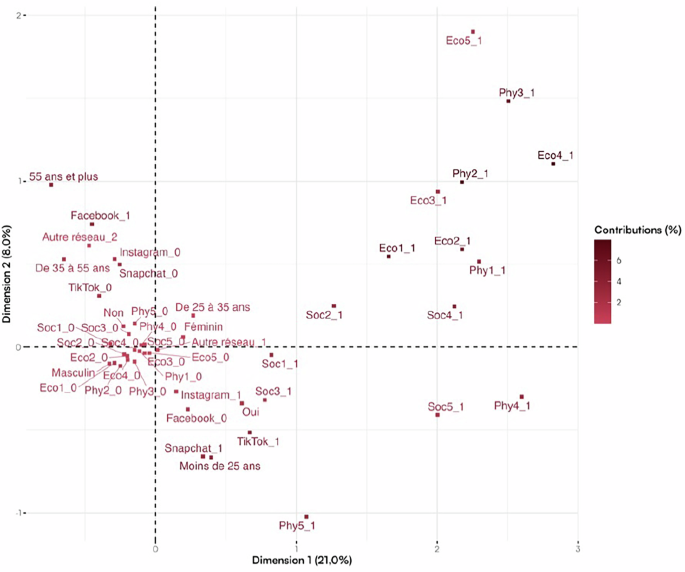
The core results of the study provided profound insights into the demographics of social media influence. When examining the general social dimension of influence, the researchers found no statistically significant differences based on sex or age; however, a deeper analysis of specific sub-dimensions revealed pronounced disparities. In the economic domain, related to purchasing products or services endorsed online, women and young adults aged 18-25 were significantly more influenced than their male and older counterparts. This finding aligns perfectly with a 2020 study on typical online shopper profiles, which identified a cohort of “shopping addicts” averaging 19 online purchases per year, with a staggering 61% being women. In the physical health dimension, covering aspects like diet, exercise, and cosmetic procedures, women were again more likely to report following advice from influencers, particularly regarding aesthetic or cosmetic medicine. A particularly intriguing finding emerged for healthcare professionals; they reported being more influenced by social media content that directly related to their own profession or personal health management, likely due to exposure to high-quality, peer-shared medical information within their professional networks. Although the authors hypothesized this group would show higher overall influence, they could not verify this within the study’s scope. The application of Multiple Correspondence Analysis (MCA) provided a sophisticated classification of participants, identifying three distinct user groups based on susceptibility and platform usage. The first group, characterized as “least influenced,” predominantly consisted of individuals over 35 using Facebook. The second group, exhibiting moderate influence, was mostly composed of individuals under 25 using Snapchat. The third and most vulnerable group, labeled “most influenced,” comprised individuals under 35 active on both Instagram and TikTok, platforms inherently conducive to influencer marketing due to their heavy reliance on short-form video and algorithmically driven content recommendation, which amplifies reach and engagement.
Paragraph 5: Discussion, Contextualization, and Societal Impact
These demographic findings carry significant implications for both marketing strategies and public health policy. The study’s observation that Instagram, Snapchat, and TikTok were the most frequently used platforms, with Facebook trailing behind, contrasts sharply with a 2023 study by Reech which found Facebook to be the primary social network. This discrepancy is almost certainly due to the younger average age of the participants, as Facebook is more popular among older demographics, whereas Instagram dominates among those under 35, a pattern consistent with broader U.S. usage statistics. The authors note that while the overall influence of social media on health appears less dominant than its influence on fashion or beauty, this is likely a function of the sheer volume of lifestyle influencers compared to the relatively smaller number of dedicated health-communication influencers. However, this scarcity makes the risk of misinformation particularly acute, as highly influential individuals lacking professional medical training can spread dangerous advice. The consequences of this vulnerability are starkly illustrated in the discussion of dental tourism. Attracted by cost savings and promises of rapid aesthetic transformation, often propelled by celebrity endorsements and viral content on TikTok and Instagram, many younger individuals travel abroad for dental procedures. The glamorized portrayal of these trips on social media belies a dangerous reality, raising serious concerns among healthcare professionals about poor quality of care, lack of adequate post-operative follow-up, and limited legal recourse for complications. Dentists are frequently hesitant to treat returning patients due to complex medico-legal liability risks. This highlights the critical need for improved digital health literacy, defined as the ability to access, appraise, understand, and apply health information from electronic sources. This literacy varies significantly across age, socioeconomic status, and education, with lower levels increasing vulnerability to persuasive marketing and misinformation. Current regulatory efforts, such as age restrictions for social media use in France (15 years) and Australia (16 years), and mandatory disclosure of paid partnerships and digitally altered images in France, are steps in the right direction. However, these regulations are broad and do not specifically target health-related content, and they may inadvertently limit access to beneficial preventive health information for younger users. Private initiatives certifying reliable health accounts exist but currently lack institutional support for sustainability.
Paragraph 6: Future Directions and Conclusion
Looking ahead, the authors outline a clear roadmap for future research and practical application. The next logical steps involve expanding the study to larger, more diverse samples that include community-based and purely online populations to confirm the tool’s validity through rigorous exploratory and confirmatory factor analyses. Researchers should also explore the intricate intersection between digital health literacy and social media influence, investigating whether improving critical appraisal skills can serve as a protective factor against harmful content, thereby identifying at-risk populations who would benefit most from targeted interventions. From a public health perspective, initiatives such as integrating digital literacy into school curricula and developing targeted campaigns co-designed with young people and healthcare providers are essential to reduce inequalities in access to reliable information and foster informed decision-making. The study concludes that social media platforms, particularly Instagram and TikTok, hold immense potential as powerful tools for health promotion, especially for engaging populations under 35 and women. Healthcare professionals can effectively leverage these platforms by adopting the communication codes and psychological principles used by successful influencers—such as reciprocity, likability, social proof, authority, scarcity, commitment, and unity—to promote healthy habits and encourage regular medical consultations. However, this professional presence must be carefully managed to avoid ethical pitfalls related to self-promotion and patient acquisition, navigating the complex regulatory landscape of each country. The newly developed measurement tool offers a practical method for monitoring how population influence evolves over time, allowing public health authorities to identify emerging trends, tailor messages to specific demographic groups, and objectively evaluate the effectiveness of their social media strategies. Ultimately, this study provides a foundational framework that bridges the gap between social media dynamics and public health, offering both the theoretical insight and the practical instruments necessary to maximize the benefits of digital connectivity while safeguarding the health of vulnerable populations. By continuing to refine this approach, researchers and practitioners can transform social media from a source of risk into a cornerstone of modern preventive healthcare.