


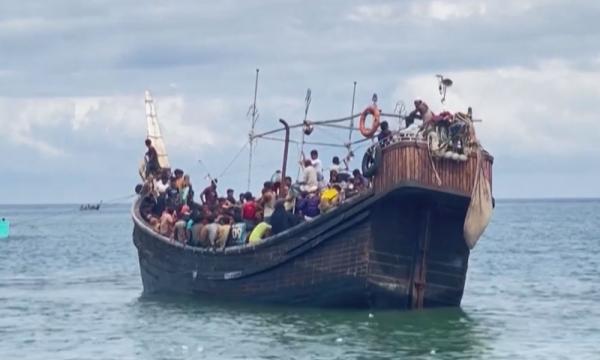
Here is a six-paragraph summary and critical analysis of the current discourse surrounding the Rohingya community in Malaysia:
World Refugee Day has traditionally served as a critical window for humanitarian organizations to amplify the struggles of the Rohingya people, leveraging the annual spike in media interest to foster empathy and generate support. However, the current landscape in Malaysia marks a significant departure from this historical pattern. Rather than focusing solely on the humanitarian plight of refugees, the public discourse is now dominated by an unprecedented surge of misinformation, disinformation, and hate speech (MDH). This vitriolic environment has forced humanitarian workers and advocates to shift their primary focus from service delivery toward the urgent task of countering toxic narratives that threaten the safety and dignity of the Rohingya community.
The severity of this issue is compounded by the ethical failures of some mainstream media outlets, which have abandoned their role as neutral observers to become active purveyors of hostility. By utilizing dehumanizing language—such as the abhorrent labeling of refugees as “human barnacles”—these outlets do not merely report on public sentiment; they actively manufacture it. This institutionalized bias exacerbates the social friction between local populations and displaced communities, transforming the Rohingya into a convenient scapegoat for broader socio-economic anxieties. When media platforms prioritize inflammatory headlines over factual reporting, they strip the vulnerable of their humanity and normalize a culture of exclusion.
This digital toxicity is largely fueled by a systemic lack of content moderation on social media platforms, which has allowed xenophobic propaganda to flourish unchecked. In Malaysia, misinformation regarding the Rohingya is frequently recycled and amplified at lightning speed, creating an ‘echo chamber’ effect where derogatory myths are accepted as objective truth. The absence of effective regulation or accountability for digital platforms means that hate speech is often treated as protected discourse, even when it directly incites physical harassment or endangers the lives of those living in refugee settlements. The result is a dangerous climate where perception, however false, dictates the reality of the Rohingya experience.
The impact of this orchestrated campaign of hate extends far beyond social media feeds, manifesting in a palpable increase in real-world discrimination and physical insecurity. Refugees are increasingly prevented from accessing essential services, while the atmosphere of hostility encourages vigilantism and public shaming. When national media figures participate in the erosion of a group’s social standing, they provide a veneer of legitimacy to radical elements within society who seek to harass or marginalize the Rohingya. This creates a vicious cycle: the more the community is vilified, the harder it becomes for them to integrate, find work, or seek protection, which in turn is then used as further ‘evidence’ by hate groups to justify their mistreatment.
Addressing this crisis requires more than mere optimism; it demands a strategic and courageous intervention from industry leaders and policymakers. There is an urgent need for media houses in Malaysia to adopt a strict code of ethics concerning the treatment of vulnerable minorities, moving away from sensationalism that profits from the suffering of others. Editors and journalists must recognize the immense power they hold in shaping public discourse and the life-threatening consequences of using dehumanizing metaphors. Without an internal commitment to truth and objective reporting, the media will continue to fail the very society it claims to serve by fostering division instead of understanding.
Ultimately, World Refugee Day should serve as a collective moment for introspection rather than performative storytelling. For Malaysia to move forward, both the public and the media must confront the reality that hate speech is not an inevitable byproduct of the refugee crisis, but a manufactured outcome of systemic negligence. By reclaiming the narrative from purveyors of disinformation and holding media institutions accountable for their rhetoric, the international community and Malaysian stakeholders can begin to dismantle the barriers of prejudice. A just society is defined by how it treats those who have lost everything; today, that duty begins with a firm rejection of the language of hate.