


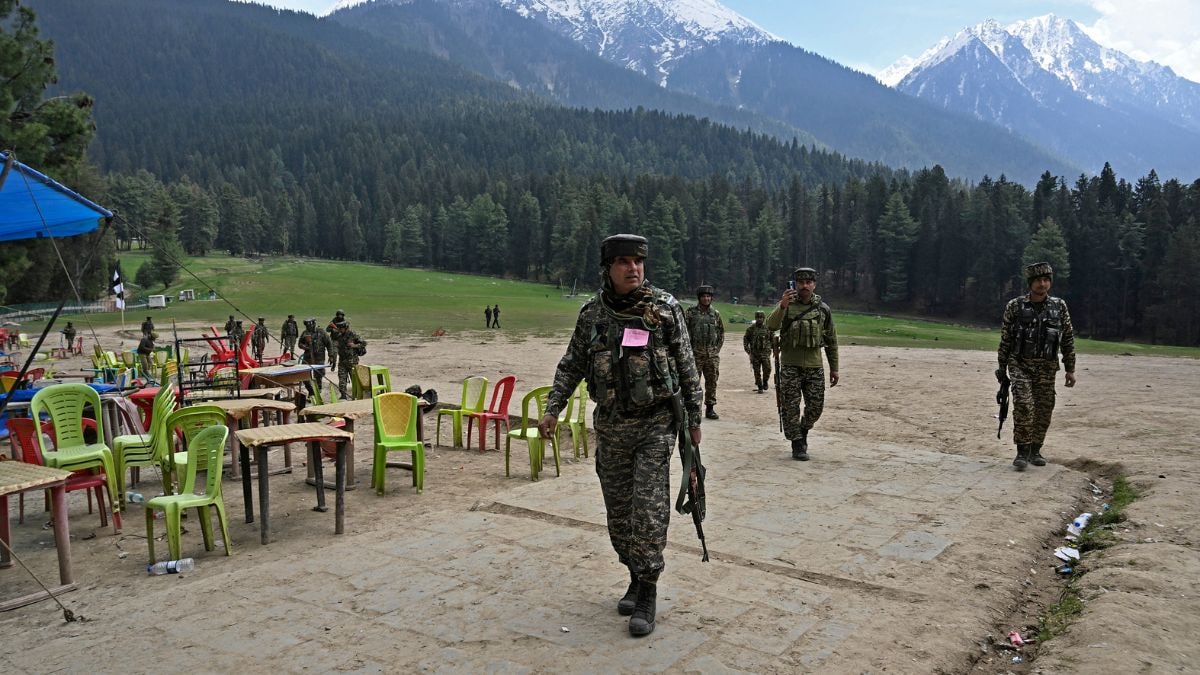
Pahalgam Terror Attack Fuels Wave of Misinformation on Social Media
The horrific terror attack in Pahalgam, Jammu and Kashmir, on April 22, which claimed the lives of 26 individuals, predominantly tourists, has triggered a deluge of misinformation across social media platforms. Old images and videos, entirely unrelated to the incident, are being circulated with misleading claims, exacerbating tensions between India and Pakistan. This surge of false information underscores the vulnerability of online spaces to manipulation and the urgent need for critical evaluation of content.
One prevalent form of misinformation involves videos purportedly depicting military clashes between India and Pakistan, falsely presented as consequences of the Pahalgam attack. Fact-checking efforts by organizations like Press Trust of India (PTI) have debunked these claims, revealing that the videos are often from unrelated events, such as clashes between Pakistani security forces and supporters of former Prime Minister Imran Khan. Similarly, images of wildfires and other incidents have been misrepresented as evidence of military action.
The spread of misinformation extends beyond visual content. False narratives, including claims that the attack was a "false flag" operation staged by India, have gained traction, particularly among Pakistani social media users. Furthermore, AI-generated videos manipulating footage of victims and their families have surfaced, demonstrating the potential for technology to be misused in spreading disinformation and causing further distress.
Adding to the complexity of the situation, fabricated claims about arrests and military actions have proliferated. A man was arrested for falsely claiming the apprehension of a BJP-linked individual in connection with the attack. Similarly, an image of a fire in the hills was misrepresented as evidence of Pakistani military action against Indian checkpoints. These instances highlight the ease with which false information can be disseminated and the potential consequences for individuals and communities.
The spread of misinformation has reached international dimensions, with a fabricated post attributed to a senior Chinese diplomat threatening action against India gaining traction. This fake post, easily debunked due to inconsistencies with the diplomat’s actual online activity, illustrates the potential for misinformation to escalate geopolitical tensions. Furthermore, a video falsely claiming Indian Air Force strikes on civilians has been circulated, adding another layer to the complex web of false narratives surrounding the Pahalgam attack.
The Indian government, through the Press Information Bureau (PIB), has actively engaged in fact-checking and debunking the circulating misinformation. PIB has refuted claims about the removal of the Northern Army commander, the downing of an Indian fighter jet, and the leak of confidential military documents. These efforts underscore the importance of official sources in combating the spread of false information. The government’s proactive approach highlights the seriousness of the issue and the need for continued vigilance in identifying and addressing misinformation campaigns. The ongoing efforts to counter the spread of false information underscore the crucial role of fact-checking and media literacy in navigating the complex information landscape of the digital age. The Pahalgam attack serves as a stark reminder of the potential for misinformation to exacerbate tensions and manipulate public perception in the aftermath of a tragedy.