


With just over two months remaining until the October 19 referendum, Elections Alberta has issued a critical public advisory regarding a surge in online misinformation targeting its digital voter registration platform, VoterLink. The agency has detected a coordinated spike in social media rumors designed to undermine public confidence in the province’s electoral integrity. Chief Electoral Officer Gordon McClure expressed deep concern over these developments, characterizing them as the “latest social media rumour” engineered to create distrust and confusion among Albertans ahead of the referendum. The primary objective of these misleading claims appears to be the erosion of voter confidence in the digital infrastructure that facilitates democratic participation. By casting doubt on the safety and reliability of the registration process, the purveyors of this misinformation aim to discourage civic engagement and potentially suppress turnout during a pivotal electoral moment. The urgency of the advisory underscores the severity of the threat, as Elections Alberta moves proactively to counteract narratives that could compromise the legitimacy and smooth operation of the upcoming vote.
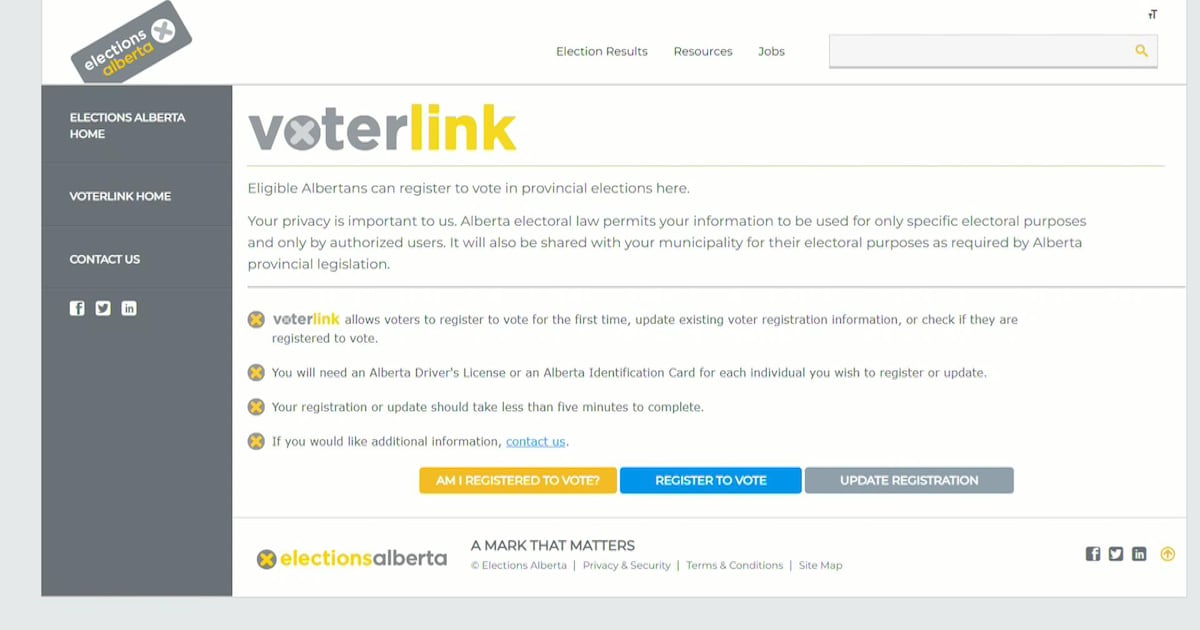
VoterLink serves as a comprehensive, user-friendly digital gateway for the province’s electoral system, designed to streamline administrative processes for citizens. The tool offers three fundamental functions, allowing Albertans to register to vote for the very first time, verify their existing registration status, or update crucial personal information such as a current residential address or legal name change. This online platform represents a modern convenience that eliminates bureaucratic hurdles and ensures that the electoral rolls remain current and accurate before election day. For a province with a geographically dispersed population and a highly mobile workforce, the ability to manage registration details remotely is essential. However, the very accessibility and efficiency that make VoterLink a valuable asset have also rendered it a target for malicious narratives. The misinformation campaigns have specifically focused on fabricating claims about the tool’s backend capabilities, attempting to convince voters that interacting with the platform could somehow jeopardize their standing on the electorate list or expose them to unauthorized data manipulation, contrary to the stringent privacy and security protocols maintained by the agency.
The specific falsehoods circulating in social media echo chambers involve alarming allegations about the tool’s capacity to alter or destroy voter data. Elections Alberta has emphatically and categorically debunked these claims, providing clear technical clarifications to reassure the public. Firstly, the agency affirms that under absolutely no circumstances can any individual, including a registered user, utilize VoterLink to delete or remove their own or another person’s information from the system. The tool operates on a separate, secure interface layer that does not grant direct access to the master List of Electors information system. This architectural separation acts as a critical safeguard, ensuring that public-facing functionalities cannot interfere with the authoritative data repository. Secondly, the platform’s functions are strictly limited to submission or confirmation tasks, meaning it can securely receive and transmit updates but does not possess the authorization to purge records independently. The infrastructure is designed with multiple layers of security authentication and audit trails, ensuring that any changes to the central database require strict administrative oversight and verification processes that are inaccessible through the public portal.
Chief Electoral Officer Gordon McClure has taken a direct and emphatic stance to quell these unfounded rumors, delivering a resolute statement to the public. “Misinformation about voter registrations is the latest social media rumour being promoted in an effort to cause concerns related to the referendum,” McClure stated, highlighting the deliberate and targeted nature of the campaign. He further reinforced the agency’s commitment to data protection: “Elections Alberta would like to reassure Albertans their information in Voterlink is safe and secure, and that contrary to reports, no voter registrations have been removed from the List of Electors without electors’ consent.” This explicit clarification addresses the most damaging facet of the rumor—the implication that registrations can be silently purged. By invoking the principle of consent, McClure underscores the legal and ethical frameworks governing electoral data, which strictly prohibit any alteration to an elector’s record without explicit, verifiable authorization from the individual voter. This legal safeguard provides a powerful bulwark against the misinformation’s central narrative, affirming that the integrity of voter rolls remains inviolate.
This incident is emblematic of a broader, concerning trend of disinformation campaigns that have increasingly targeted democratic institutions worldwide, and Alberta is not immune to this phenomenon. The spread of such rumors is often calculated to exploit psychological fears regarding technological vulnerabilities, particularly among demographics less familiar with digital systems. By manufacturing fake crises, malicious actors seek to delegitimize the electoral process before it even occurs, causing voters to question whether their participation will even count. The timing of this misinformation spike is deliberate, strategically positioned in the weeks leading up to the referendum when citizens are most focused on the upcoming decision. Elections Alberta’s swift response serves as a critical countermeasure, employing official channels to dissect and dismiss the false narratives. The agency’s vigilance in monitoring social media platforms and public discourse allows for rapid identification of emerging threats, ensuring that accurate information can be disseminated faster than the rumors spread. This proactive communication strategy is essential for preserving the public’s trust in the democratic process and neutralizing the chilling effect that such disinformation could have on voter turnout.
Ultimately, residents can take concrete, simple steps to protect their electoral standing while disregarding the noise of misinformation. According to Elections Alberta, if a citizen has voted in previous provincial elections and has not recently moved residences or legally changed their name, they are almost certainly already registered and prepared to vote without further action required. For those who have experienced life changes—such as relocation or marriage—VoterLink remains the legitimate, secure method to update their details. The agency reiterates that the platform is fortified with cutting-edge security measures, including encryption and rigorous data protocols, ensuring that personal information remains confidential. As the October 19 referendum approaches, Albertans are urged to seek information exclusively from official Elections Alberta communications channels and to regard unverified social media posts with healthy skepticism. The integrity of the electoral process relies not only on the security of the infrastructure but also on the resilience of the electorate against manipulation. By standing united against disinformation and trusting the verified systems in place, Alberta can confidently move toward a fair, secure, and democratic referendum.