


Close Menu
DISADISA
  • Home
  • News
  • Social Media
  • Disinformation
  • Fake Information
  • Social Media Impact
Trending Now

HRF Refutes Minister Lokesh’s Claim of Deliberate Misinformation on AI Data Centres in Visakhapatnam

August 22, 2026

Misinformation Acceptance and Usage among Cebuano Voters in Digital-Era Elections.

August 22, 2026

The Threat of AI-Enhanced Disinformation to Democratic Governance and National Security

August 22, 2026
Facebook X (Twitter) Instagram
Facebook X (Twitter) Instagram YouTube
DISADISA
Newsletter
  • Home
  • News
  • Social Media
  • Disinformation
  • Fake Information
  • Social Media Impact
DISADISA
Home»News»Communal Disinformation and Contentious Claims in the Nepal Protests
News

Communal Disinformation and Contentious Claims in the Nepal Protests

Press RoomBy Press RoomSeptember 12, 2025No Comments
Facebook Twitter Pinterest LinkedIn Tumblr Email

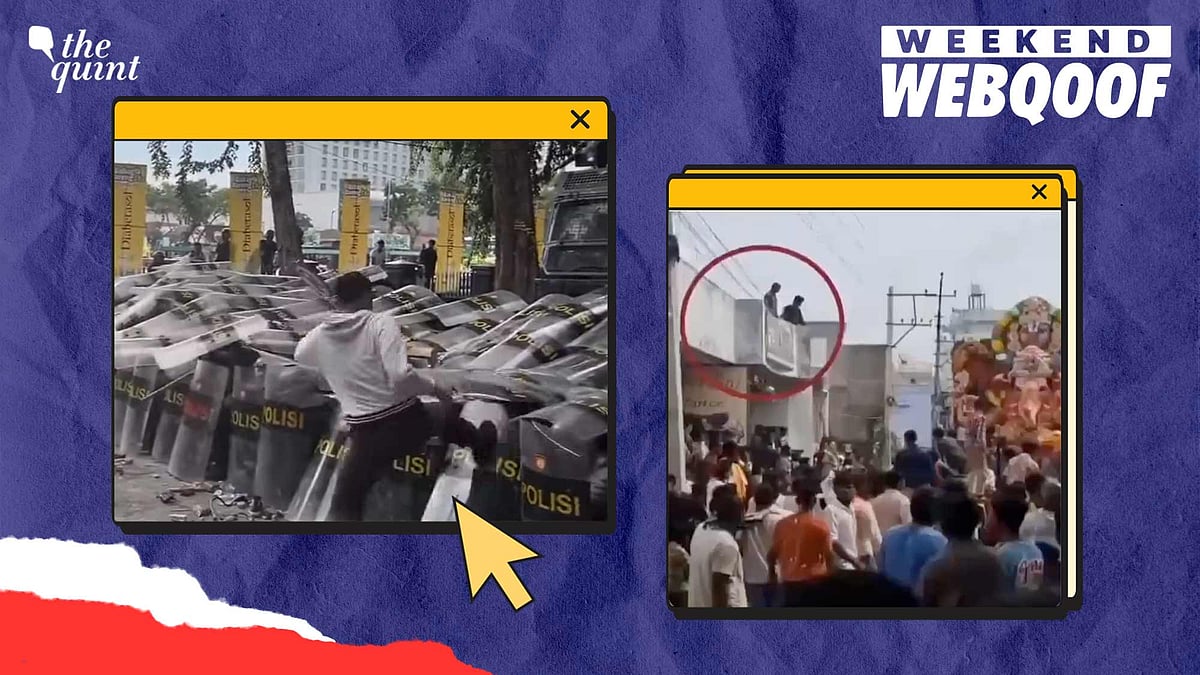
Nepal Protests Misinformation Debunked: Viral Video Shows 2025 Indonesian Unrest, Not Recent Anti-Corruption Demonstrations

Kathmandu, Nepal – A video circulating widely on social media, purportedly showcasing clashes between protesters and police during recent anti-corruption demonstrations in Nepal, has been definitively debunked. Fact-checkers have confirmed that the footage is not from Nepal and does not depict recent events. Instead, the video originates from Indonesia and dates back to August 2025, capturing protests against the Indonesian government. This revelation underscores the increasing prevalence of misinformation surrounding global protests and the importance of verifying information before sharing it online.

The misleading video portrays chaotic scenes of people confronting police officers equipped with riot gear and shields. The individuals in the video are seen throwing objects and engaging in physical altercations with law enforcement. This imagery, falsely attributed to the recent anti-corruption movement in Nepal, has fueled online discussions and potentially exacerbated existing tensions. The accurate context of the video, however, paints a different picture, one of unrest in Indonesia during a period of public discontent with government policies.

The debunking of this misinformation highlights the crucial role of fact-checking organizations in combating the spread of false narratives. The rapid dissemination of information online, particularly through social media platforms, creates a fertile ground for the proliferation of misleading content. In the case of the Nepal protests, the false video could have unduly influenced public perception of the demonstrations, potentially misrepresenting the nature and intensity of the events on the ground.

The actual anti-corruption protests in Nepal, while passionate and significant, did not involve the level of violence depicted in the Indonesian video. Demonstrators primarily employed peaceful means of expressing their grievances, including marches, rallies, and public speeches. The misrepresentation through the false video, therefore, risks undermining the legitimate concerns raised by the protesters and distorting the reality of the situation. It is vital to rely on credible news sources and verified information to understand the true dynamics of these events.

This incident serves as a cautionary tale about the dangers of sharing unverified information online. The spread of misinformation can have serious consequences, from inflaming tensions and inciting violence to eroding public trust in legitimate news sources. Before sharing any information, particularly sensitive content related to protests or social unrest, individuals have a responsibility to verify its authenticity through reputable fact-checking websites or established news outlets.

The misattribution of the Indonesian protest video to the Nepal demonstrations underscores the need for heightened media literacy in the digital age. Developing critical thinking skills and learning to identify potential misinformation are crucial for navigating the complex information landscape. By exercising caution and verifying information before sharing it, individuals can contribute to a more informed and accurate public discourse, preventing the spread of misleading narratives that can harm individuals, communities, and even entire nations. The incident serves as a stark reminder of the power of misinformation and the importance of responsible information sharing.

Share. Facebook Twitter Pinterest LinkedIn WhatsApp Reddit Tumblr Email

Read More

HRF Refutes Minister Lokesh’s Claim of Deliberate Misinformation on AI Data Centres in Visakhapatnam

August 22, 2026

Here are a few formal options, each with a slightly different emphasis:

Option 1 (Comprehensive and direct) “The Role of Partisan Bias in Misinformation Assessment: A Conflict Between Identity Defense and Differential Knowledge”

Option 2 (Focus on the mechanism) “Understanding Partisan Judgments of Misinformation: The Interplay of Identity Protection and Knowledge Asymmetry”

Option 3 (Concise and academic) “Partisan Bias in Misinformation Judgment: Identity Protection Versus Knowledge Disparity”

Option 4 (More mechanistic) “Assessing Misinformation Through a Partisan Lens: Mechanisms of Identity Preservation and Knowledge Gaps”

August 22, 2026

Here are a few options with a formal tone:

  1. SOTS and Candelora Accuse Each Other of Voter Misinformation
  2. SOTS, Candelora Trade Accusations of Voter Misinformation
  3. SOTS and Candelora Exchange Accusations of Misinformation

August 21, 2026
Add A Comment
Leave A Reply Cancel Reply

Our Picks

Misinformation Acceptance and Usage among Cebuano Voters in Digital-Era Elections.

August 22, 2026

The Threat of AI-Enhanced Disinformation to Democratic Governance and National Security

August 22, 2026

Here are a few formal options, each with a slightly different emphasis:

Option 1 (Comprehensive and direct) “The Role of Partisan Bias in Misinformation Assessment: A Conflict Between Identity Defense and Differential Knowledge”

Option 2 (Focus on the mechanism) “Understanding Partisan Judgments of Misinformation: The Interplay of Identity Protection and Knowledge Asymmetry”

Option 3 (Concise and academic) “Partisan Bias in Misinformation Judgment: Identity Protection Versus Knowledge Disparity”

Option 4 (More mechanistic) “Assessing Misinformation Through a Partisan Lens: Mechanisms of Identity Preservation and Knowledge Gaps”

August 22, 2026

Misinformation outlets exploit the alleged homicide of a teenager to drive online engagement.

August 22, 2026
Stay In Touch
  • Facebook
  • Twitter
  • Pinterest
  • Instagram
  • YouTube
  • Vimeo

Don't Miss

Disinformation

Here is a rewritten title in a formal tone:

Disinformation and Social Polarisation in the Context of Migration

By Press RoomAugust 21, 20260

The year 2003 marked the genesis of a term that would later define the digital…

Here are a few options with a formal tone:

  1. SOTS and Candelora Accuse Each Other of Voter Misinformation
  2. SOTS, Candelora Trade Accusations of Voter Misinformation
  3. SOTS and Candelora Exchange Accusations of Misinformation

August 21, 2026

Here is a single, formal title:

“Social Media Enhances Democratic Engagement, Yet the Pervasive Threat of Disinformation Persists”

August 21, 2026

Hookah Lounge Issues Statement Regarding West Chimes Street Gathering, Citing Misinformation as Basis for Blame

August 21, 2026
DISA
Facebook X (Twitter) Instagram Pinterest
  • Home
  • Privacy Policy
  • Terms of use
  • Contact
© 2026 DISA. All Rights Reserved.

Type above and press Enter to search. Press Esc to cancel.