


The Erosion of Democratic Principles: A Conversation with Human Rights First
In an era marked by escalating political polarization and the proliferation of disinformation, the foundations of democratic governance face unprecedented challenges. To gain a deeper understanding of these threats and the strategies to counter them, we engaged in a comprehensive discussion with Hanah Stiverson and Elizabeth Yates, Associate Directors of Democracy Protection at Human Rights First.
Human Rights First’s Democracy Protection (DP) program stands as a bulwark against the insidious normalization of harmful rhetoric, legislation, and policies that target vulnerable communities and democratic institutions. Their multi-pronged approach encompasses advocacy against detrimental policies at both federal and state levels, fostering collaboration with partner networks and coalitions, and engaging with congressional audiences, journalists, and the public to safeguard democratic processes.
The concept of democracy in the United States is not a static achievement but rather an ongoing project, historically characterized by both inclusion and exclusion. While progress has been made in expanding democratic participation, a vocal minority persists in seeking to restrict and harm communities’ rights, impeding full representation and freedoms. The contemporary anti-democratic movement, fueled by authoritarian and fascist undercurrents, aims to undermine democratic processes like free and fair elections, target marginalized communities including immigrants, refugees, and LGBTQ+ individuals, and dismantle fundamental rights such as reproductive freedom and equitable public education.
Disinformation, the deliberate dissemination of misleading or biased information, poses a grave danger to democracies reliant on public trust. Its insidious effects include eroding public trust in electoral processes and democratic institutions, fostering dangerous false beliefs that influence critical decisions, and manipulating public opinion on crucial issues. Combating disinformation requires fostering media literacy, providing access to reliable and unbiased information sources, and establishing collaborations between experts, media outlets, and elected officials. The rapid spread of disinformation in the current online media landscape necessitates constant vigilance and concerted efforts.
The media plays a dual role in either safeguarding or undermining democratic systems. Historically, authoritarian and fascist regimes have exploited media to manipulate and control populations. A free press is essential for a thriving democracy, yet the current media landscape faces significant threats. While freedom of speech is a fundamental right, it should not be misconstrued as a license to harm, misinform, or disempower. Social media platforms and traditional press are increasingly vulnerable to manipulation by anti-democratic and authoritarian forces that weaponize the concept of "freedom of speech" to disseminate conspiracy theories, violent rhetoric, and bigotry. Additionally, the media’s tendency towards sensationalism can inadvertently amplify dangerous rhetoric and tactics for the sake of attracting viewers, posing a challenge to responsible journalism.
Ensuring full participation in democratic processes for all communities, particularly those historically targeted by authoritarian and anti-democratic actors, requires their representation at all levels of decision-making. Too often, the rights and freedoms of marginalized communities are negotiated and restricted by those least affected by the consequences of such policies and laws.
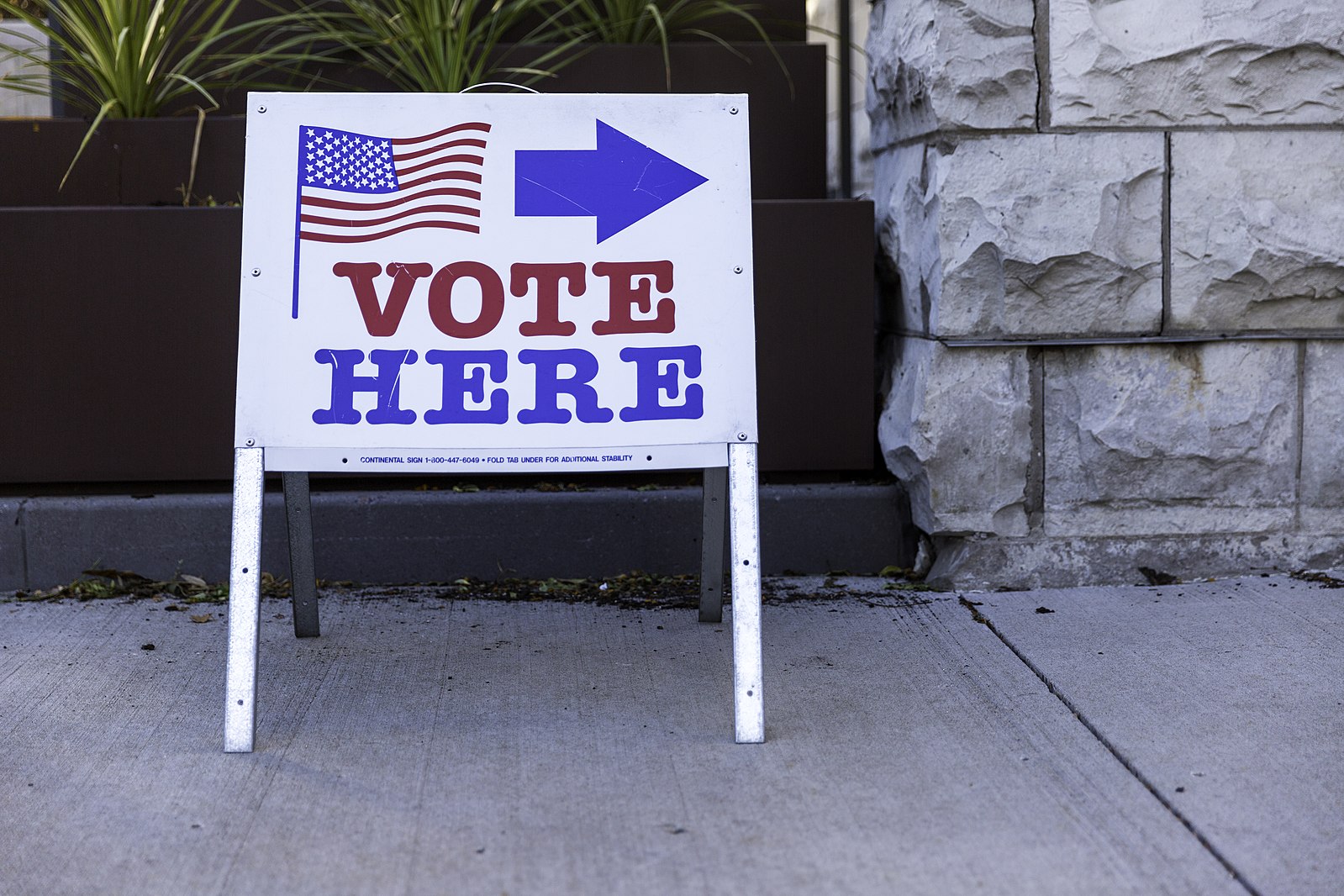
Voter suppression tactics, including restricting access to polls, spreading disinformation about voting procedures, and undermining electoral systems, represent a clear and present danger to democracy. Combating these tactics requires robust advocacy against restrictive policies and laws, rejecting measures that limit electoral choice, and safeguarding electoral processes and poll workers from harassment and discrimination. The fight against voter suppression is crucial for preserving the integrity of democratic systems.
Technology and social media, while inherently neutral tools, can be employed for both constructive and destructive purposes. Similar to the use of radio and print media to propagate fascist rhetoric in the past, contemporary social media platforms can be exploited to disseminate harmful content. However, a key distinction lies in the global reach of social media and the algorithms that govern content visibility. Global conspiracy theories, amplified by social media, have demonstrated their potential to erode trust in vaccines, fuel book bans, and inspire discriminatory legislation. Addressing these concerns requires careful consideration of the speed at which technology can be misused and the viral nature of dangerous content, which can rapidly translate into real-world consequences.
The long-term repercussions of weakened democratic institutions are multifaceted and severe. Initial signs of democratic erosion often manifest as a rollback of rights, exemplified by legal decisions like the overturning of Roe v. Wade and the emergence of overtly biased court systems. Further consequences include the proliferation of laws and policies restricting gender-affirming care, book bans in schools, defunding public education, attacks on curriculum addressing racial history, and harsh immigration laws. Ultimately, the weakening of democratic institutions creates an environment conducive to the rise of authoritarian and fascist movements, characterized by attacks on electoral systems, political figures, government agencies, and the potential for military intervention against the population. While the United States has not yet reached this critical juncture, the growth of authoritarian forces necessitates a concerted effort to reverse this trend.
Upholding democracy requires active participation at all levels of society. Local and state elections, including school board races, play a critical role in maintaining a vibrant democracy. Individuals must remain informed about political developments at all levels of government, from federal to local, and engage in advocacy on issues of concern. The United States has a rich history of community-led movements challenging attacks on human and civil rights, providing a strong foundation for continued action. Getting involved in local politics, writing letters to elected officials, attending town halls and school board meetings, and actively identifying those advocating for harmful or beneficial policies are essential steps for preserving democratic values.
Participating in elections is a fundamental civic duty. Despite the challenges posed by attacks on electoral processes and the spread of disinformation, individual votes remain crucial. Civic engagement is the lifeblood of democracy, and now, more than ever, it is essential to utilize all available tools to resist those seeking to silence marginalized voices. Exercising the right to vote is a powerful act of democratic participation and a vital defense against the erosion of democratic principles.