


Combating the Deluge of Disinformation: Experts Advocate for Multi-Layered Fact-Checking and Platform Accountability
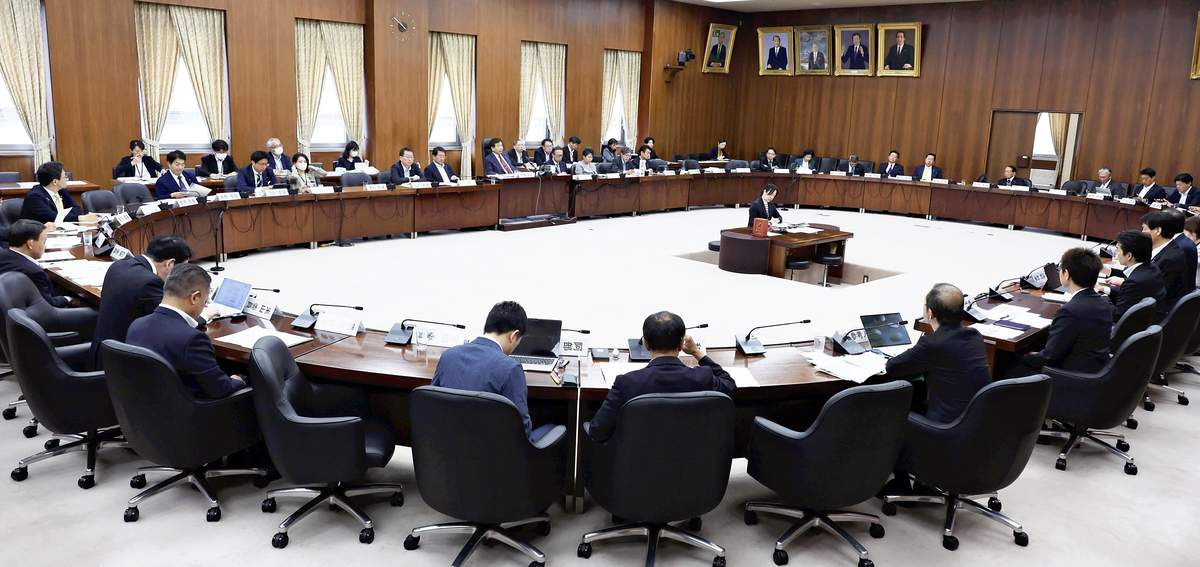
TOKYO – In a world increasingly awash in a sea of online disinformation, a panel of experts convened at the House of Representatives Commission on the Constitution on Thursday, May 23, 2025, to address the pressing issue of combating false and misleading information online. Their deliberations underscored the critical need for robust countermeasures, including multi-layered fact-checking initiatives and heightened responsibility from platform operators, particularly during sensitive periods like elections. The hearing served as a platform to dissect the multifaceted challenges posed by online disinformation and explore potential solutions to safeguard the integrity of information in the digital age.
Central to the discussion was the pivotal role of independent, non-partisan fact-checking endeavors. Professor Kazuhiro Taira of J.F. Oberlin University advocated for private sector leadership in spearheading these efforts, emphasizing the importance of public support that respects the autonomy of fact-checking organizations. He drew attention to the established practice of fact-checking by international media outlets and urged Japanese media to adopt similar proactive measures, thereby creating a more robust, multi-layered scrutiny system capable of responding swiftly to emerging disinformation. To ensure wider dissemination of verified information, Professor Taira also proposed a system to prioritize the visibility of fact-check results online. He cautioned, however, against government-led fact-checking, citing potential threats to freedom of expression, and expressed concerns about the capacity of the proposed national referendum public relations council to effectively conduct such checks.
Professor Fujio Toriumi of the University of Tokyo echoed Professor Taira’s concerns, highlighting the need to hold platform operators accountable for the dissemination of false information, especially during critical periods like elections and natural disasters. He emphasized the vulnerability of the public to the "attention economy," where sensationalized content often trumps accuracy in the pursuit of clicks and views. Professor Toriumi stressed that improving digital literacy among citizens is a critical challenge in mitigating the impact of disinformation. He advocated for greater platform transparency and urged operators to actively implement measures to curb the spread of misleading content, particularly during times of heightened vulnerability.
The experts’ recommendations highlighted the importance of a comprehensive, multi-pronged approach to combat the spread of online falsehoods. This approach involves empowering independent fact-checking organizations, promoting media literacy among the populace, and holding platform operators accountable for the content they host. The panelists acknowledged the delicate balance between countering disinformation and protecting freedom of speech, underscoring the necessity of implementing solutions that respect both principles. The hearing emphasized the urgency of addressing this growing threat to informed public discourse and democratic processes.
The rise of disinformation online poses a significant challenge to societies worldwide, with its potential to manipulate public opinion, erode trust in institutions, and even incite violence. The proliferation of fabricated news stories, doctored images, and misleading videos has created a climate of uncertainty and confusion, making it increasingly difficult for individuals to discern fact from fiction. This phenomenon has been exacerbated by the rapid spread of information through social media platforms, which often prioritize engagement over accuracy, inadvertently amplifying the reach of disinformation.
Combating this insidious trend requires collaborative efforts from various stakeholders, including governments, media organizations, technology companies, and individuals. Strengthening fact-checking mechanisms is essential to debunking false narratives and providing accurate information to the public. Improving media literacy is equally crucial, equipping citizens with the critical thinking skills needed to identify and evaluate information sources. Holding platform operators accountable for the content hosted on their platforms is another vital component of addressing this challenge, requiring them to actively monitor and remove harmful disinformation.
The deliberations of the House of Representatives Commission on the Constitution served as a timely reminder of the urgent need to address the growing threat of online disinformation. The experts’ recommendations, emphasizing multi-layered fact-checking, heightened platform accountability, and