


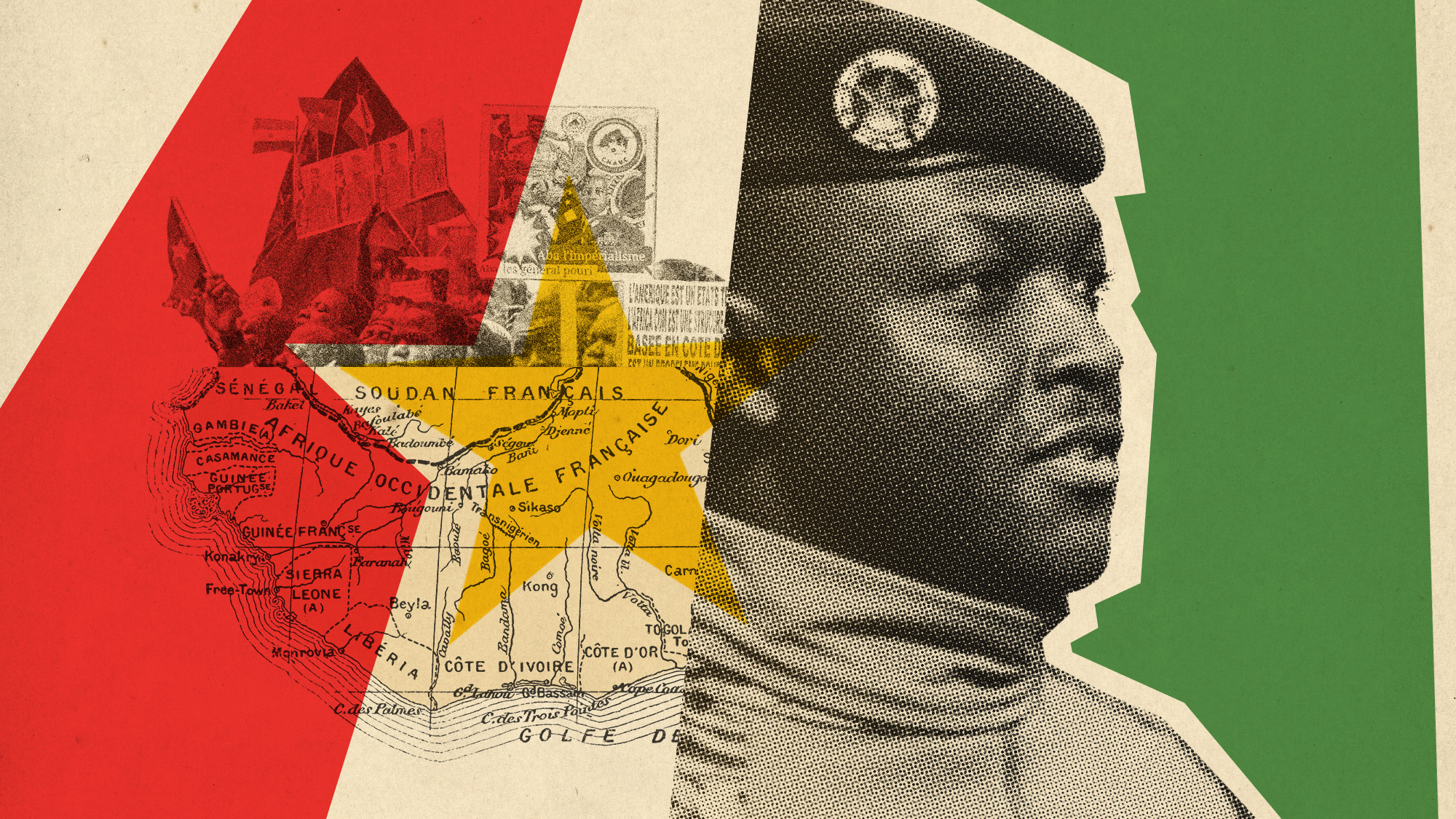
The Rise of the Digital Messiah: How AI-Generated Propaganda is Shaping Burkina Faso’s Political Landscape
In the heart of West Africa, a new kind of political narrative is unfolding, one crafted not through traditional campaigning but through the potent blend of artificial intelligence and social media. Ibrahim Traoré, the military leader of Burkina Faso, has become the subject of a sophisticated digital campaign, transforming him into a messianic figure in the eyes of many across the continent. AI-generated images depict him in various heroic poses, from a stoic soldier to a celestial warrior, while deepfake videos showcase fabricated endorsements from international celebrities, creating an aura of power and influence. This digitally constructed persona has captivated millions, blurring the lines between reality and fabrication in the political landscape.
The proliferation of these manipulated images and videos, often imbued with pan-African symbolism and emotionally charged narratives, has propelled Traoré to the forefront of African political discourse. This “algorithmic populism,” as some have termed it, leverages the virality of social media to disseminate its message far beyond Burkina Faso’s borders. The high production quality of these deepfakes, coupled with their resonance with themes of African pride and anti-Western sentiment, has made them highly shareable and impactful, bypassing traditional media channels and directly engaging with a digitally connected audience.
This digital campaign extends beyond the creation of fabricated content. Existing videos are being repurposed and misrepresented, adding another layer to the misinformation ecosystem. Footage of unrelated development projects, for instance, has been falsely attributed to Traoré’s regime, further bolstering his image as a transformative leader. This manipulation of real-world events contributes to the broader narrative of progress and change being woven around the military leader, solidifying his appeal among those yearning for tangible improvements in their lives. The relentless sharing and amplification of these manipulated videos by pro-Traoré online supporters further contribute to their widespread dissemination and acceptance.
The intersection of geopolitics and technology plays a significant role in this evolving narrative. Burkina Faso’s growing alliance with Russia, forged after the 2022 coup that brought Traoré to power, has provided fertile ground for the propagation of this digital propaganda. Russian media outlets have actively promoted Traoré’s pan-Africanist image, aligning with their own strategic interests in the region. This partnership highlights how international alliances can be leveraged to shape domestic narratives and influence public perception, particularly in countries with limited media literacy and access to diverse information sources.
The documented disinformation campaigns originating from Russia, and similar efforts from China, underscore the strategic importance of the Sahel region in the broader geopolitical landscape. These campaigns, often employing sophisticated manipulation techniques, aim to bolster Russia and China’s influence in the region at the expense of Western powers. This digital battleground highlights how technology is being weaponized to reshape alliances, exploit existing social and political tensions, and ultimately, redraw the lines of power in resource-rich regions like the Sahel. The convergence of these factors contributes to the ongoing cycles of violence and instability that plague the region.
The situation in Burkina Faso serves as a cautionary tale about the power of misinformation in the digital age. In a country where literacy rates are low and independent journalism is suppressed, discerning truth from falsehood becomes incredibly challenging. The sophisticated nature of deepfakes and AI-generated content makes it even easier for manipulated information to slip through the cracks and become accepted as reality. This highlights the urgent need for media literacy initiatives and the development of critical thinking skills, especially in regions vulnerable to such disinformation campaigns. While some may knowingly embrace the fabricated narratives, others are genuinely misled, emphasizing the potential for these technologies to sow confusion and erode trust in information sources.
However, the success of this campaign is not solely predicated on deception. It also taps into a deep-seated yearning for strong, authentic African leadership. Many, even those aware of the fabricated nature of the content, embrace it because it resonates with their hopes and aspirations for a better future, free from the legacy of colonialism and Western influence. This emotional connection underscores the importance of addressing the underlying socio-political conditions that create fertile ground for such narratives to take root. Simply debunking misinformation is insufficient; it must be accompanied by efforts to address the root causes of discontent and build trust in legitimate sources of information. This complex interplay of technological manipulation, geopolitical influence, and genuine public sentiment is reshaping the political landscape of Burkina Faso, raising profound questions about the future of democracy and information integrity in the digital age.