


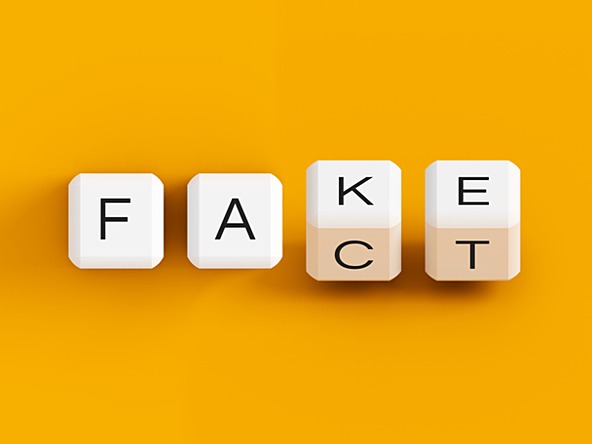
The Escalating Threat of Misinformation in the Age of AI
The digital age has ushered in an era of unprecedented access to information, but this accessibility has come at a cost. The proliferation of AI-generated content, coupled with the decline of fact-checking on social media platforms and the rise of populist movements, has created a fertile ground for the spread of misinformation and disinformation. This "infodemic" poses significant risks to both businesses and societies, as highlighted by the World Economic Forum’s Global Risks Report for 2025, which identifies misinformation and disinformation as the top short-term threats. The ability of generative AI to automate the creation and distribution of false or misleading content on a massive scale further exacerbates this issue.
The pervasiveness of fake news is not a new phenomenon, but recent events have amplified its impact and brought it into sharper focus. The acquisition of Twitter (now X) by Elon Musk, a self-proclaimed proponent and creator of fake news, is a prime example. The widespread acceptance of the myth of a stolen 2020 US election and Donald Trump’s subsequent electoral success, despite promoting this falsehood, underscore the apparent impunity associated with disseminating false information. The normalization of blatant falsehoods within the political landscape poses a serious threat to democratic processes and societal trust.
The Research Industry’s Role in Combating Misinformation
The research industry, as a key player in the information ecosystem, bears a responsibility to address the growing threat of misinformation. Market researchers are often at the forefront of information gathering and analysis, potentially enabling them to identify emerging trends of misinformation early on. This unique position presents an opportunity for researchers to act as an early warning system, flagging potentially harmful narratives before they gain widespread traction. The industry needs to develop mechanisms for verifying the accuracy of data and disclosing any potential biases or misinformation that may influence research findings. Implementing a standardized process for evaluating the credibility of information sources and incorporating fact-checking protocols into research methodologies are crucial steps in mitigating the risks associated with misinformation.
The research community must recognize its potential to contribute to the understanding of the dynamics of misinformation. By analyzing the tactics employed by purveyors of fake news and examining the psychological factors that contribute to its appeal, researchers can provide valuable insights into how misinformation spreads and influences public opinion. This expertise can equip journalists, policymakers, and the public with the tools to critically evaluate information and resist manipulation.
Understanding the Demand Side of Misinformation
The allure of fake news lies not just in its supply but also in its demand. People are often drawn to narratives that confirm their pre-existing biases and worldviews, even if those narratives are factually inaccurate. This phenomenon is particularly prevalent when individuals feel marginalized or disenfranchised. The rise of populism and the erosion of trust in traditional institutions have created an environment where many people are more likely to embrace emotionally resonant narratives, even if they contradict established facts. Recognizing the psychological factors that contribute to the appeal of fake news is crucial for developing effective strategies to counter its spread.
Combating the Mechanization of Misinformation
The advent of generative AI has significantly amplified the reach and impact of misinformation. AI-powered tools can create highly convincing fake videos, audio recordings, and text, making it increasingly difficult to distinguish between authentic and fabricated content. News organizations and social media platforms are investing in sophisticated verification technologies to combat this threat, but human expertise remains essential. Experienced journalists and fact-checkers play a vital role in confirming the provenance of media and identifying manipulated content. The increasing economic pressures on journalism, however, make it challenging for many news organizations to dedicate the necessary resources to this critical task.
Ensuring Access to Accurate Information
The fight against misinformation requires a dual approach: actively combating the spread of false information and ensuring that accurate information is readily accessible. While some segments of the population may be drawn to misinformation that reinforces their biases, it is crucial to maintain a robust ecosystem of reliable information sources for those who seek it. This requires supporting quality journalism, promoting media literacy, and fostering critical thinking skills among the public. The goal is not to eradicate misinformation entirely, which may be an unrealistic objective, but to ensure that individuals have the tools and resources to navigate the complex information landscape and make informed decisions.