


Navigating the Disinformation Deluge: Protecting Canadian Democracy in the Age of AI and Manipulation
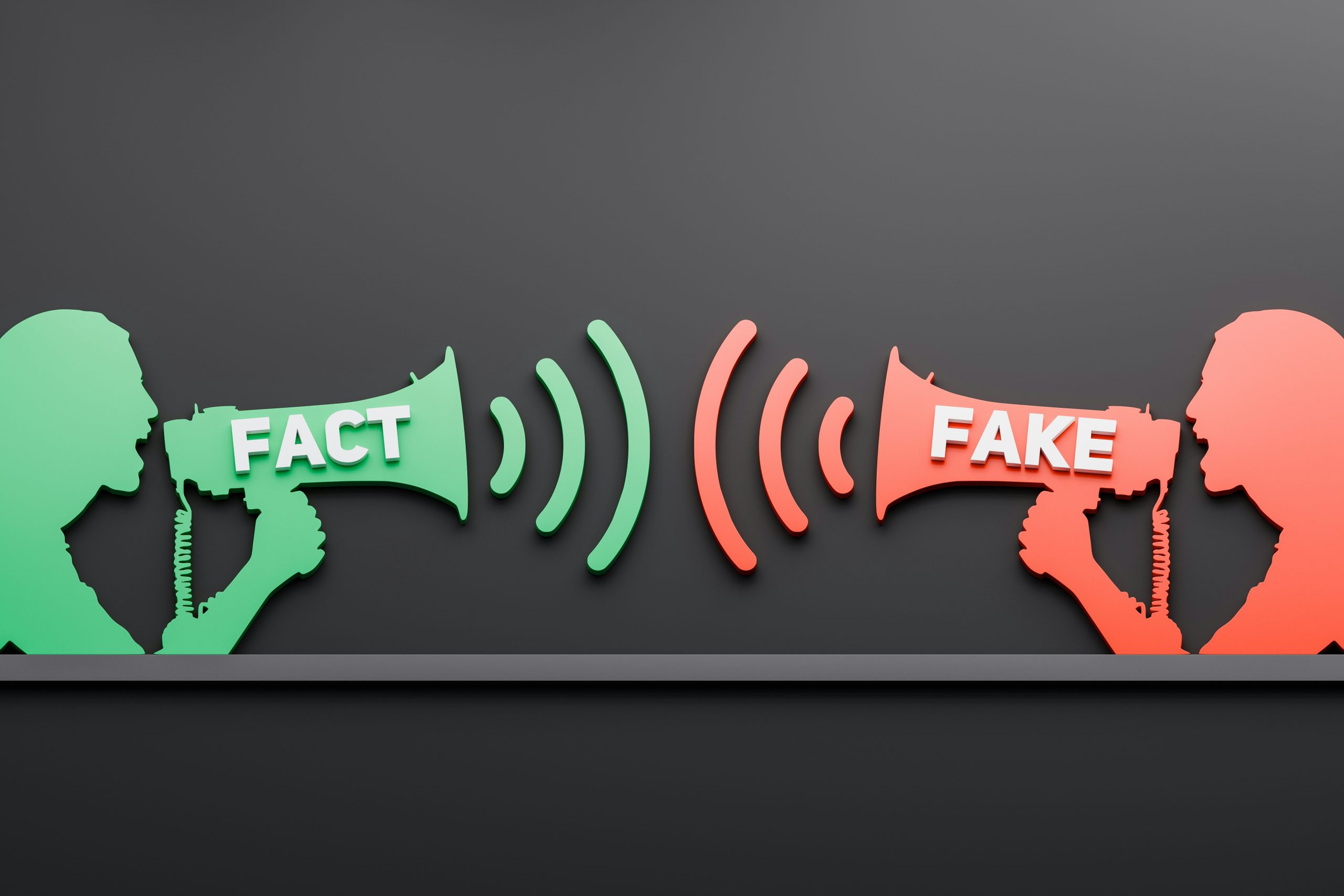
The Canadian federal election landscape is increasingly complex, not just due to policy debates and economic anxieties, but also because of a pervasive threat: disinformation. As voters prepare to cast their ballots, they face a deluge of false and misleading information designed to sway public opinion and undermine the democratic process. Terra Tailleur, an assistant professor of journalism at the University of King’s College and an expert in digital literacy, warns Canadians to be vigilant and question everything they encounter online, particularly on platforms that eschew fact-checking. She emphasizes the crucial distinction between misinformation, which is unintentional inaccuracy, and disinformation, which is deliberately deceptive content spread with malicious intent.
The threat of disinformation is not merely theoretical. A recent public inquiry into foreign interference in Canadian elections concluded that disinformation poses an "existential threat" to democracy, capable of distorting public discourse, manipulating views, and ultimately shaping society. Intelligence agencies have warned about the likelihood of foreign actors, including China, India, Russia, and Pakistan, using artificial intelligence tools, like deepfakes, to meddle in the election. Public opinion polls reflect growing concern among Canadians about the potential for AI-driven disinformation to sway the election, with many expressing a lack of confidence in their ability to identify such manipulations.
Deepfakes, digitally altered content created with AI tools, have become increasingly sophisticated and difficult to detect. While early deepfakes, often involving face swaps, were relatively easy to spot due to inconsistencies in facial expressions and lip movements, newer techniques are blurring the lines between reality and fabrication. The proliferation of free and readily available AI tools like ChatGPT has further democratized the creation of convincing fake images and videos, making it easier than ever for anyone, regardless of technical skill, to generate and disseminate disinformation. Tailleur highlights telltale signs to look for, such as unnatural lighting, unrealistic skin tones, and robotic-sounding voices. However, as technology advances, spotting deepfakes becomes a continuous arms race.
Beyond deepfakes, "cheap fakes," or shallow fakes, pose an equally insidious threat. These involve manipulating existing content without the use of AI tools, such as cropping photos to misrepresent context or slowing down audio to create false impressions. These tactics are often more effective than deepfakes due to their subtlety and the lower bar for creation. A prime example cited by Tailleur is a manipulated video of Nancy Pelosi, slowed down to make her speech sound slurred, which was widely shared on social media in an attempt to discredit her. Real photos paired with fabricated narratives are another common tactic, often used to spread disinformation related to current events, such as the war in Ukraine. The sheer volume and ease of creating these cheap fakes makes them a pervasive and challenging problem.
Tailleur stresses the importance of critical thinking and skepticism when consuming online content. She recommends stopping to ask questions, considering the source, platform, and context of the information. Reverse image searches, satellite imagery, and checking older versions of web pages can help verify content. While AI detection tools exist, they are not always reliable and can quickly become obsolete as technology evolves. Ultimately, the most effective defense against disinformation is a discerning mind. If in doubt, Tailleur advises, do not share the content, as even sharing questionable content from trusted sources can contribute to the problem of amplification.
Imposter content, where images and voices of trusted figures like journalists and celebrities are used without authorization to spread disinformation, is another growing concern. This tactic erodes public trust and poses a significant challenge for journalists, who strive to maintain credibility. Tailleur advises going directly to reliable sources, such as Elections Canada for election information, and bookmarking reputable news sites. She also emphasizes the importance of checking URLs to ensure they match the claimed organization, as fake sites often mimic legitimate news outlets to capitalize on existing trust. Subscribing to email newsletters from reliable news organizations can further help differentiate between credible and fabricated content.
The rise of imposter news sites, designed to mimic legitimate media outlets, is another alarming trend. These sites, often linked to foreign interference campaigns, publish fabricated articles and news reports that appear authentic at first glance. Tailleur highlights the lack of journalistic standards, ethics guidelines, and accountability mechanisms on these sites. She reminds readers that genuine news organizations adhere to journalistic principles, have clear contact information, and offer ways to report errors. Understanding the journalistic process is key to identifying these imposter sites and distinguishing them from credible sources. It is crucial to scrutinize the source, particularly on platforms that have banned legitimate Canadian news.
The prevalence of disinformation creates chaos and confusion during elections, making it increasingly difficult for voters to discern credible sources and make informed decisions. Tailleur emphasizes the importance of considering the context of information encountered online. She advises skepticism towards videos depicting unlikely scenarios, such as political rivals endorsing each other, or solicitations for campaign donations from unusual sources. The case of a man scammed out of money after clicking links in a fake YouTube video featuring Justin Trudeau promoting a cryptocurrency investment highlights the potential consequences of succumbing to disinformation.
Tailleur advises journalists to prioritize verification in their work, separating fact-checking from storytelling to ensure accuracy before reporting. Transparency about journalistic processes, welcoming feedback, and demonstrating accountability are essential for building public trust. Resources like the Media Smarts Fact Checker, AFP Fact Check, Snopes, and the Privy Council Office’s guide on detecting and reporting disinformation offer tools for verifying information and combating online manipulation. The decline of local news outlets, as documented by the Canadian Centre for Policy Alternatives, further exacerbates the problem, creating an information void often filled by social media platforms rife with misinformation.
The proliferation of disinformation underscores the urgent need for media literacy and critical thinking skills among voters. The 2022 McGill University study, "Mis- and Disinformation During the 2021 Canadian Federal Election," revealed the emergence of a "big tent" of misinformation, encompassing various conspiracy theories and mistrust of authoritative information sources. This erosion of trust, coupled with the rise of "news avoiders" who deliberately shun legitimate news outlets, contributes to a climate where fact and fiction become increasingly blurred. This complex landscape demands a vigilant approach to information consumption, a reliance on trusted resources, and a commitment to fostering
a well-
informed electorate.