


Danielle Lloyd’s Melanoma Battle Highlights the Dangers of Cancer Misinformation on Social Media
UK television personality Danielle Lloyd’s recent melanoma diagnosis brought to light not only her personal health struggles but also a disturbing trend: the rampant spread of cancer misinformation, particularly regarding sun protection, by social media influencers. Lloyd’s experience has transformed her into a vocal advocate for accurate information, emphasizing the critical need to counter the dangerous narratives circulating online. As she navigates her own treatment journey, she has become increasingly concerned about the potential harm these influencers inflict, potentially dissuading individuals from seeking timely and potentially life-saving medical care. Her story serves as a stark reminder of the real-world consequences of online misinformation and underscores the vulnerability of individuals seeking health advice in the digital age.
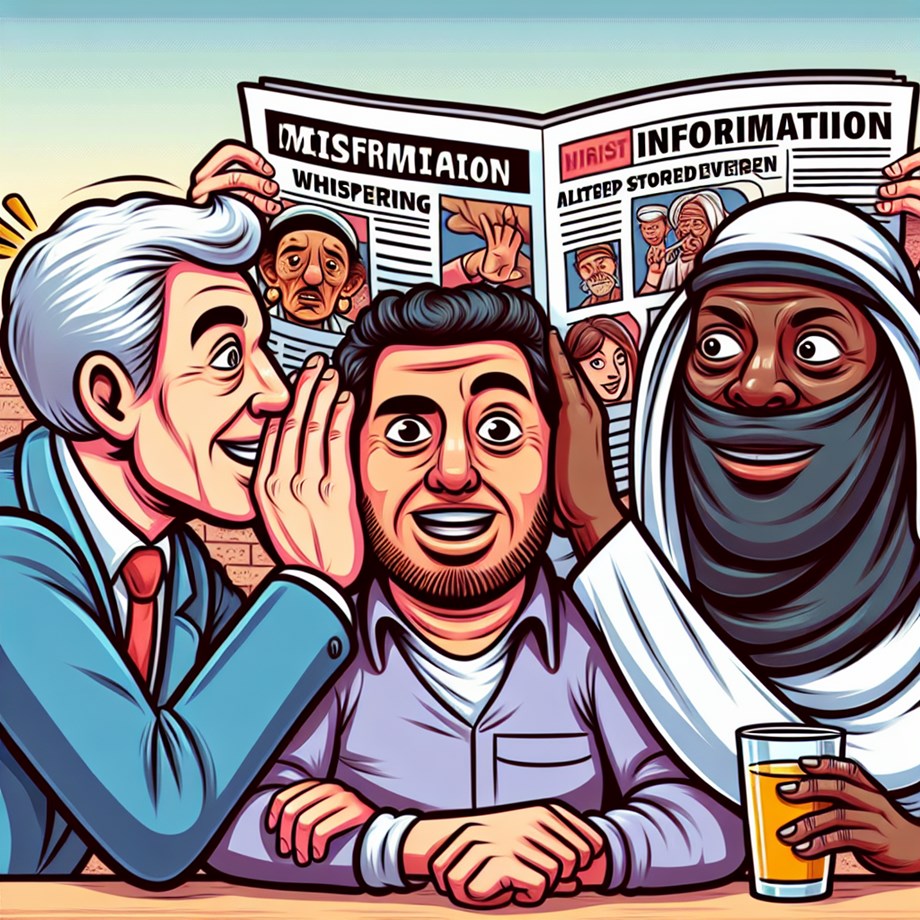
The rise of social media has created a platform for individuals to share their experiences and connect with like-minded people, but this open forum has also become a breeding ground for misinformation. Influencers, with their large and engaged followings, often promote unproven remedies and alternative therapies for serious illnesses like cancer, presenting them as viable alternatives to evidence-based medicine. These claims, often cloaked in anecdotal evidence and emotional appeals, can easily mislead vulnerable individuals desperate for hope and a sense of control over their health. The lack of scientific rigor and the potential for delaying or foregoing necessary medical treatment are significant concerns. Lloyd’s outspoken criticism of these influencers highlights the urgent need for greater scrutiny and accountability within the social media landscape.
The tactics employed by purveyors of cancer misinformation often exploit the emotional vulnerabilities of those facing a cancer diagnosis. Fear, confusion, and the desire for a quick fix can make individuals susceptible to unsubstantiated claims and promises. Misinformation preys on these vulnerabilities, offering false hope through emotionally charged narratives and pseudoscientific explanations. These narratives often demonize conventional treatments, portraying them as harmful and part of a larger conspiracy, while simultaneously promoting unproven alternative therapies as natural and safe. This manipulation can lead patients to distrust medical professionals and delay seeking life-saving treatment, ultimately jeopardizing their health outcomes.
Combatting the spread of cancer misinformation requires a multi-pronged approach. One promising strategy is prebunking, a proactive approach to misinformation management that involves educating individuals about the tactics commonly used to spread misinformation. By understanding the techniques of fear-mongering, the use of pseudoscience, and emotional manipulation, individuals can better identify and critically evaluate misleading health information. This empowers them to make informed decisions based on credible evidence rather than succumbing to emotionally driven narratives.
Prebunking equips individuals with the critical thinking skills needed to discern reliable sources of information from unreliable ones. It encourages individuals to seek information from credible sources, such as medical professionals, reputable health organizations, and evidence-based research. This approach also promotes media literacy, empowering individuals to critically evaluate information they encounter online, assess the credibility of sources, and identify potential biases. By fostering a more discerning and informed public, prebunking can effectively mitigate the harmful impact of misinformation.
In the fight against cancer misinformation, Danielle Lloyd’s story serves as a powerful reminder of the importance of seeking evidence-based information and the potential dangers of unverified claims. The proliferation of misinformation online necessitates a collective effort to promote credible sources of information and empower individuals with the critical thinking skills needed to navigate the complex landscape of health information. As Carl Sagan wisely stated, “Extraordinary claims require extraordinary evidence.” This principle should guide our approach to health information, reminding us to demand rigorous evidence before accepting claims, especially those related to serious illnesses like cancer. The fight against cancer misinformation is a fight for informed decision-making, patient empowerment, and ultimately, lives. By supporting evidence-based medicine and promoting critical thinking, we can help individuals make informed choices about their health and avoid the potentially devastating consequences of misinformation.