


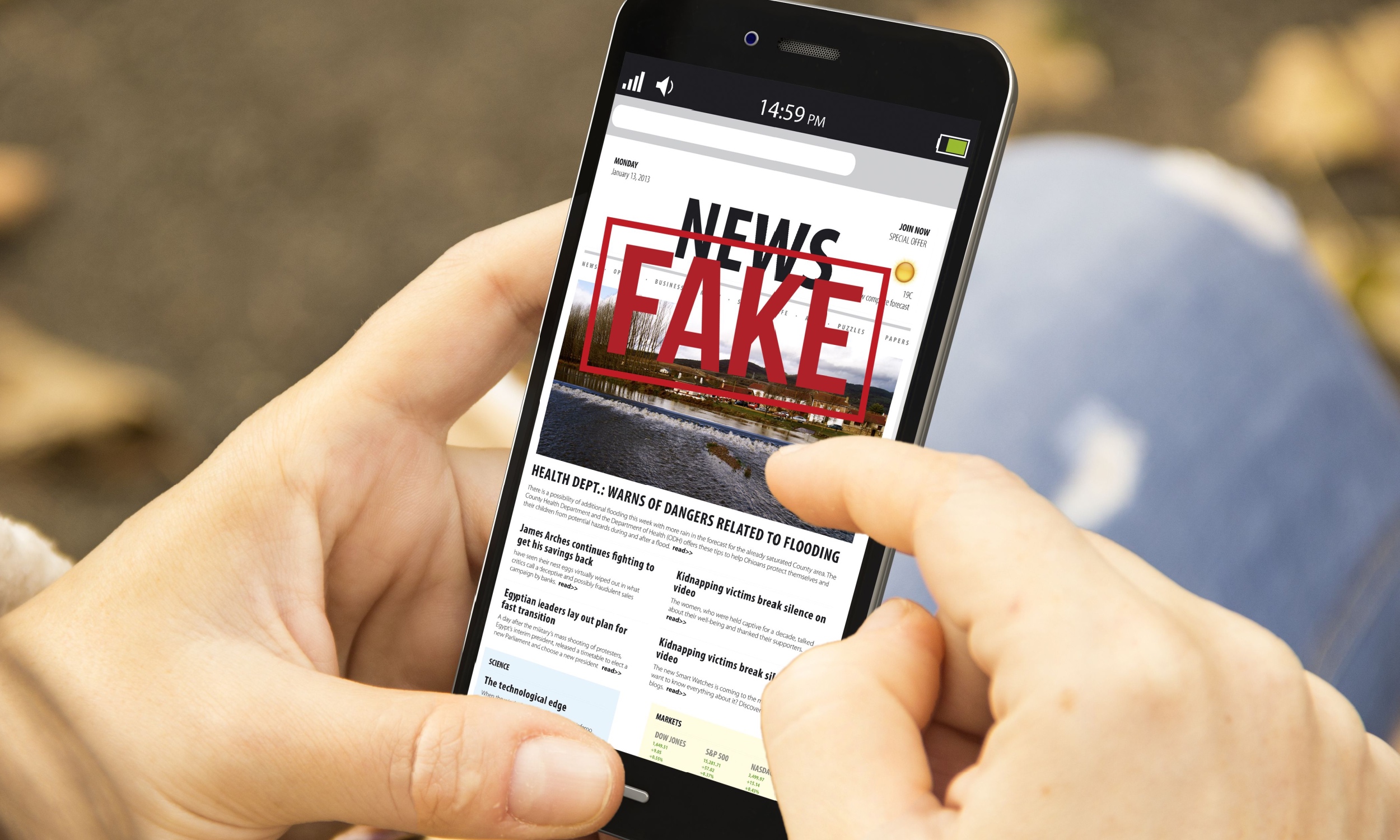
Boosting Our Defenses Against the Deluge of Misinformation
In today’s interconnected world, the spread of misinformation poses a significant threat to informed decision-making. From political discourse to public health crises, false and misleading information can rapidly proliferate across social media platforms, often outpacing the dissemination of factual information. Researchers at the University of Oxford and the University of Bristol have pioneered a novel approach to combat this pervasive issue: memory-focused reminders. These "boosters," akin to those used to strengthen our immune systems, can fortify our cognitive defenses against the insidious influence of fake news.
Reinforcing Truth-Filtering Skills: A New Approach to Misinformation Detection
The research team conducted a series of experiments exploring how different learning materials could enhance people’s ability to identify misinformation. Participants were exposed to various training methods, including text-based tips, videos, and interactive games. These materials focused on exposing common misinformation tactics, such as the manipulative use of emotional language or the presentation of flawed logic disguised as compelling arguments. While initial training demonstrably improved participants’ ability to discern misleading narratives, these gains proved transient. Without reinforcement, the newly acquired skills in spotting misinformation gradually diminished over time.
Memory Boosters: The Key to Sustained Resistance
To address the issue of fading skills, the researchers introduced simple memory refreshers – concise summaries or reminders of the key learning points from the initial training. These refreshers served as cognitive boosters, reinforcing the acquired knowledge and extending the duration of participants’ ability to detect misinformation. Importantly, the effectiveness of these reminders correlated directly with recall; the more participants remembered from the training, the more adept they became at identifying suspicious content. Even a brief recap of the more nuanced misinformation techniques proved beneficial in sustaining long-term recall. Conversely, threat-based alerts, which attempt to scare people into awareness by emphasizing the ubiquity of misinformation, were found to be less effective.
The Power of Proactive Learning and Memory Reinforcement
The implications of this research are far-reaching. In a world constantly bombarded with information, people are not always actively engaged with fact-checking websites or reputable news sources. However, short, accessible lessons on common misinformation tactics, coupled with periodic refreshers, can help individuals develop and maintain robust mental filters. A timely pop-up reminder, a brief video recap, or even a casual conversation about these techniques can significantly strengthen resistance to fake news. By keeping these techniques fresh in mind, we empower ourselves to critically evaluate information in real-time.
A Multi-Faceted Approach to a Global Challenge
This innovative approach represents a significant advancement in the fight against misinformation. Traditional methods, such as fact-checking and debunking, while essential, are often reactive, addressing the damage after it has already been done. Proactive learning, combined with memory-based reinforcement, provides a crucial first line of defense, enabling individuals to recognize deceptive content before it takes root. This study, published in Nature Communications, underscores the potential of this strategy to mitigate the harmful effects of misinformation on a global scale. Furthermore, the researchers found that the effectiveness of the interventions was largely consistent across various media formats (videos, games, and text), making it adaptable to diverse contexts and scalable for wider implementation.
Building a More Resilient Information Ecosystem
Misinformation is a persistent and evolving challenge, and no single solution will magically eradicate it. However, fostering a more resilient information ecosystem requires a multi-faceted approach. By integrating memory boosters into digital literacy programs, community groups, schools, and online platforms can equip individuals with the critical thinking skills necessary to navigate the complexities of the digital age. While these techniques may not render individuals impervious to every deceptive tactic, they represent a vital step towards empowering individuals to become more discerning consumers of information and more resistant to the spread of fake news.