









SpiceJet and Cochin Airport Clash Over “Weather” Disruptions, Exposing Deeper Crisis
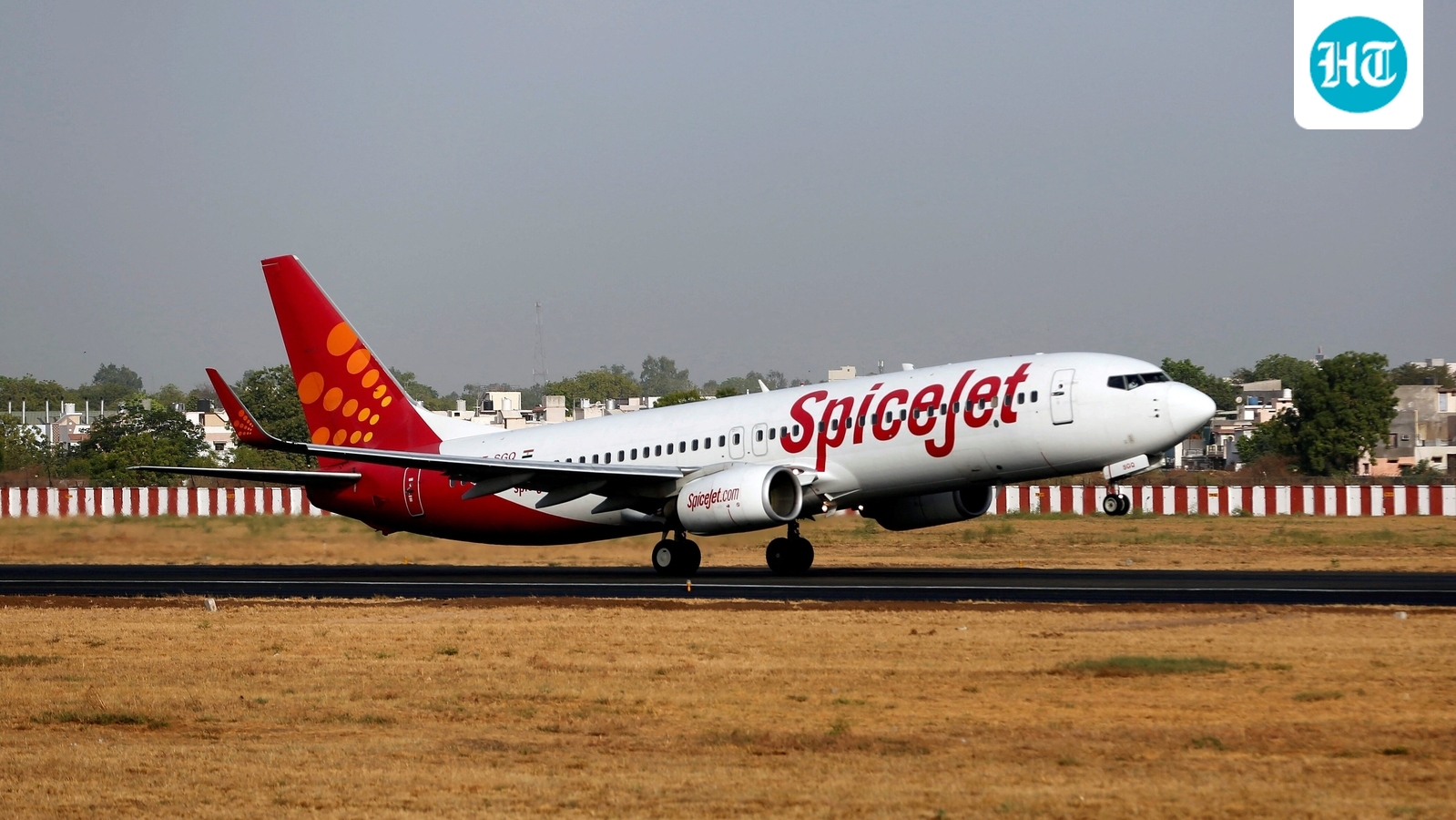
In a dramatic escalation of an already turbulent week for the budget carrier SpiceJet, the airline found itself publicly contradicted by the Cochin International Airport Limited (CIAL) over the reasons behind severe flight disruptions at one of South India’s busiest aviation hubs. The conflict unfolded on social media, where SpiceJet initially issued an advisory attributing widespread cancellations and delays of its flights to and from Kochi to “bad weather” in the city. However, CIAL, the operator of the airport, swiftly fired back, categorically denying the existence of any adverse weather conditions and accusing the airline of spreading “misinformation” to mask its own persistent operational failures. This public spat between a major airport operator and a significant airline is highly unusual within the Indian aviation industry, where carriers and airport authorities typically maintain a cordial, mutually dependent relationship, avoiding open confrontations in the public domain. The stark divergence in statements has not only added confusion for stranded passengers but has also cast a glaring spotlight on the deep-seated operational and financial turmoil that continues to plague SpiceJet, which is currently battling a fleet reduction, mounting debts, and a precarious legal battle for its very survival.
The controversy began on a Saturday, when SpiceJet, through its official social media handle, posted an urgent update stating, “WeatherUpdate: Due to bad weather in Kochi (COK), all departures/arrivals and their consequential flights might be affected. Passengers are requested to check their flight status via spicejet.com.” This was a classic formulaic advisory often used by airlines to manage passenger expectations and preemptively justify operational disruptions, allowing them to potentially offer rebooking without incurring standard cancellation penalties. However, for passengers already reeling from a recent spate of high-profile cancellations and groundings, the weather excuse rang hollow, particularly given that concurrent reports and the airport’s own data suggested otherwise. The timing was particularly sensitive, as the airline was already under intense scrutiny from the aviation regulator and the media due to its alarming flight cancellation rate, which had surged to 8.58 percent in July, indicating a systemic inability to maintain a consistent flight schedule rather than isolated environmental factors. Furthermore, SpiceJet has a documented history of attributing flight cancellations to “operational reasons” or “unforeseen circumstances,” a phrasing that has frequently been criticized by consumer groups and even the Directorate General of Civil Aviation (DGCA) for lacking adequate transparency and placing the onus of verification squarely onto passengers rather than the airline itself.
CIAL’s response was immediate, scathing, and meticulously crafted to dismantle SpiceJet’s narrative. In its official statement posted on X, the airport authority directly addressed the discrepancy, stating that it had “noted the continuing operational issues faced by SpiceJet, affecting its services internationally, including those from Kochi, causing considerable inconvenience and uncertainty to passengers.” The key portion of the statement was a direct refutation of the weather claim: “However, there were no adverse weather conditions at Kochi warranting the disruption cited in the communication.” To further undermine the airline’s excuse, CIAL emphatically pointed out a critical piece of factual evidence: “It may also be noted that no other airline operating from Kochi has reported such cancellations on account of weather conditions during the same period.” This assertion is particularly damaging for SpiceJet because it eliminates the possibility of a widespread localized meteorological event. Kochi, located on the southwest coast of India, is prone to heavy monsoon rains, but such weather is usually accessible to all carriers equally. If IndiGo, Air India, AirAsia India, and others were all operating normally, the suggestion that a sudden, unique weather phenomenon specifically targeted SpiceJet’s schedule seems incredulous, reinforcing CIAL’s assertion that the real cause lies within the airline’s internal operational capabilities.
The airport authority did not stop at rebuking SpiceJet for the false weather warning; it used the opportunity to highlight the airline’s broader track record of failing its customers. CIAL noted, “Despite the continuing passenger grievances, the issues have not been adequately addressed or rectified by the airline and have continued to worsen over the past few days.” This statement shifts the narrative from a single isolated incident to a systemic pattern of neglect, psychological distress, and logistical chaos endured by passengers. CIAL further reinforced its own role as a responsible operator, stating that it had “made maximum efforts to assist the affected passengers and provide necessary support and solace to them.” In a practical advisory to the public, the airport authority concluded by recommending that “Passengers who have booked SpiceJet flights are therefore advised to recheck their flight status with SpiceJet before proceeding to the airport,” a recommendation that serves to absolve the airport of any responsibility for the backlog while subtly warning prospective travelers of the high risk of further cancellations. By directly contradicting the airline and framing the chaos as a direct consequence of SpiceJet’s incompetence, CIAL has effectively managed to protect its own reputation while simultaneously exposing the carrier’s mutable reliability to its passengers and the broader traveling public.
This clash over weather is merely the most visible symptom of SpiceJet’s catastrophic financial and operational decline, which has been unfolding for months. The airline’s confirmed July cancellation rate of 8.58 percent stands in stark contrast to the industry average of around 1-2 percent, starkly illustrating a fleet that is rapidly shrinking due to grounded aircraft. A significant portion of SpiceJet’s fleet has been grounded due to non-payment of lease rentals to lessors, including major international entities like Aviator Capital Management, which have resorted to legal action to reclaim their assets. This grounding has created a vicious cycle: fewer planes mean canceled flights, which alienate passengers and travel agents, leading to lower revenue, which in turn makes it more difficult to pay off the lessors and unground the aircraft. The airline has attempted to mitigate its cash crunch through various emergency measures, including seeking emergency credit lines and deferring salary payments to employees, but these are considered band-aid solutions for a gaping financial wound. The compounding operational issues have also attracted the ire of the DGCA, which has frequently penalized the airline for failing to provide timely compensation to passengers affected by cancellations and delays, constituting a direct violation of the Civil Aviation Requirements (CAR) that mandate minimum facility and compensation standards for flyers.
The underlying existential threat to SpiceJet, however, lies within the walls of the National Company Law Tribunal (NCLT), the country’s bankruptcy court. Just a few days prior to the Cochin Airport debacle, precisely on a Wednesday, SpiceJet narrowly escaped a potentially fatal insolvency order when lessor Aviator ML India Private Limited agreed to withdraw its insolvency petition against the carrier. This withdrawal came after SpiceJet struck a last-minute settlement to pay a disputed sum of ₹60 crore, a move that provided the airline a temporary lifeline and allowed it to breathe a sigh of relief amid the ongoing crisis. However, this legal reprieve is incredibly fragile and short-term in nature. The law firm representing Aviator ML confirmed the withdrawal, but the NCLT has noted that there are at least seven other separate insolvency pleas pending against SpiceJet, all filed by various other aircraft lessors who are equally aggrieved by defaulted payments. These pending petitions hang over the airline’s head like a damocles sword, meaning that any failure to meet the settlement terms with Aviator ML, or the failure to negotiate similar settlements with the other lessors, will immediately resurrect the insolvency proceedings. An insolvency order would likely lead to the immediate grounding of its entire fleet, the freezing of its bank accounts, and the eventual liquidation of the company, rendering thousands of employees jobless and leaving numerous passengers stranded with worthless tickets.
In conclusion, the publicized dispute between SpiceJet and CIAL over the alleged “bad weather” is a microcosm of the airline’s profound systemic failure. By refusing to accept the weather excuse and publicly labeling it as misinformation, Cochin airport has not only safeguarded its own operational credibility but has also brought the airline’s questionable practices into the harsh light of public scrutiny. While SpiceJet managed to stave off immediate bankruptcy in the NCLT through a specific settlement, the financial and operational distress it is experiencing remains dire and unabated. The airline’s inability to maintain a reliable schedule, its adversarial relationship with its airport partners, and its overwhelming debt burden paint a dark picture of its future. As the monsoon season continues, along with the incessant pressure from lessors and regulators, the traveling public must be wary. The simple advice from CIAL to “recheck your flight status” has transformed from a routine precaution into an indispensable survival strategy for any passenger who has booked a ticket with SpiceJet, as the carrier flounders in a storm of its own making, unable to blame the clouds for a crisis that is entirely of its own governance and fiscal irresponsibility. The next few weeks will be critical in determining whether this once-prominent Indian carrier can recover from its tailspin or if it will meet the same tragic fate as several of its predecessors, leaving behind a trail of financial ruin and frustrated customers.


