


China Accuses New York Times of Disinformation and Bias in Report on Charlie Kirk’s Election Influence
In a sharply worded rebuke, China has accused the New York Times of perpetuating disinformation and exhibiting bias in its recent report on conservative influencer Charlie Kirk’s alleged attempts to influence the 2022 midterm elections. The Chinese government, through its state-affiliated media outlets, criticized the Times for focusing on Kirk’s activities while allegedly ignoring what it perceives as more significant instances of election interference by the United States, both domestically and internationally. Beijing argues that the Times’ report selectively highlights Kirk’s actions to fit a pre-existing narrative about the dangers of right-wing disinformation, while overlooking a broader context of alleged U.S. meddling in democratic processes worldwide.
The core of China’s critique revolves around the assertion that the New York Times applies a double standard when reporting on election interference. While the Times investigated Kirk’s efforts to leverage social media and mobilize voters, China contends that the newspaper has failed to adequately scrutinize alleged U.S. government actions that have arguably had more profound impacts on elections both within the U.S. and globally. China cites examples such as U.S. support for certain political candidates in foreign elections, and allegations of domestic political manipulation, as evidence of a larger pattern of interference that the Times, in its view, downplays.
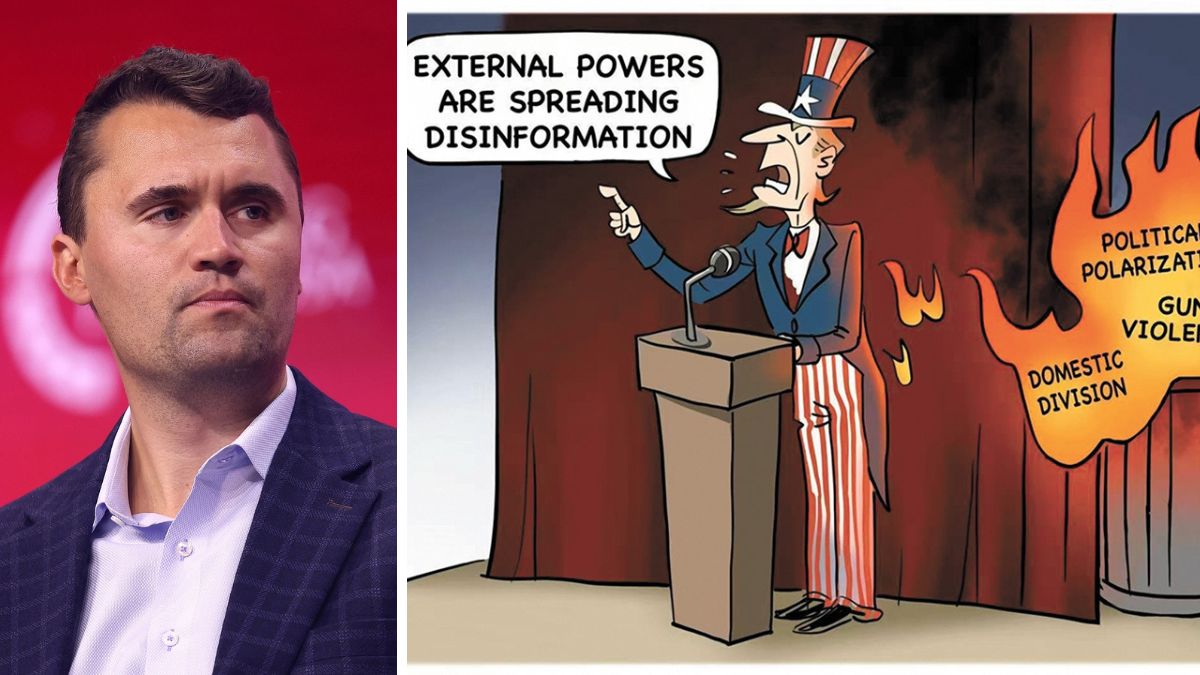
The Chinese government highlights what it sees as a pattern of hypocrisy in Western media reporting on election integrity. Beijing argues that outlets like the New York Times readily criticize alleged interference by foreign actors like Russia or China while failing to critically examine the United States’ own actions. This, according to China, reveals a deep-seated bias and an attempt to deflect attention from the U.S.’s own alleged role in undermining democratic processes. The Chinese government asserts that this selective focus undermines the credibility of the Times and other Western media outlets.
Furthermore, China accuses the Times of oversimplifying the complex issue of election influence by focusing on individual actors like Charlie Kirk while ignoring broader structural issues, such as the role of money in politics and the influence of special interest groups. Beijing contends that the Times’ emphasis on individual actors neglects the systemic problems that make the U.S. political system vulnerable to manipulation. By highlighting individual cases, China argues, the Times obscures the larger structural issues that deserve greater attention.
China’s response also raises concerns about the increasing polarization and politicization of media coverage surrounding elections. Beijing contends that the New York Times and other Western media outlets are complicit in perpetuating this polarization by focusing on narratives that reinforce pre-existing political divisions. This, in China’s view, undermines the ability of citizens to engage in informed and reasoned debate about important political issues, including election integrity. The Chinese government emphasizes its argument that a focus on objective reporting, rather than politically charged narratives, is crucial for maintaining public trust in the media.
This exchange between China and the New York Times underscores the growing tensions and mistrust between the two countries, particularly regarding issues of information and media freedom. China’s accusations against the Times reflect a broader critique of what it perceives as Western media bias against China and a reluctance to acknowledge the United States’ own shortcomings in upholding democratic principles. The ongoing debate highlights the increasing challenges of navigating the complex landscape of information in an era of increased geopolitical rivalry and heightened concerns about disinformation. It also brings into sharp relief the different perspectives and interpretations surrounding issues of election integrity and media responsibility.