


Allegations of Grifter Practices Cast Shadow Over Promising 3D Artist and Generative AI Promoter
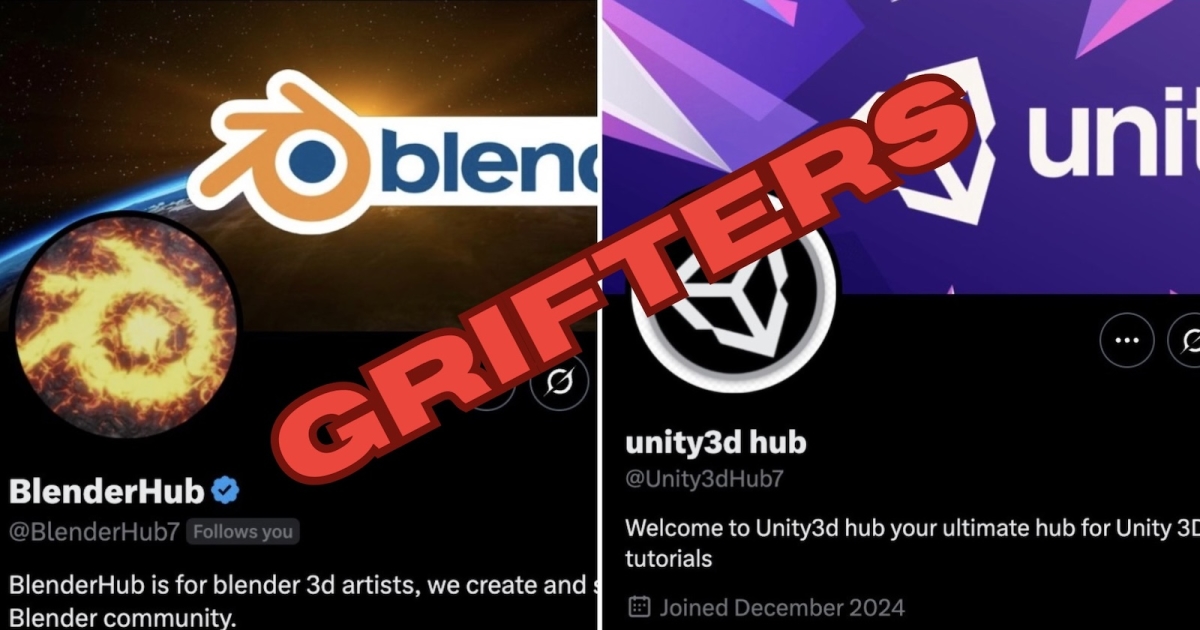
The world of 3D art and online marketplaces has been rocked by accusations of deceptive practices against Sofiane Maroc, the confirmed owner of BlenderHub and suspected operator of Unity3DHub. While definitive proof remains elusive, compelling circumstantial evidence points to Maroc as the individual behind both platforms, raising concerns about potential conflicts of interest and questionable monetization strategies involving generative AI promotion. Name similarities, mirroring online behavior patterns, and a shared focus on promoting generative AI technologies all contribute to the growing suspicion of single-person operation across both platforms. The situation is further complicated by Maroc’s prior positive engagement with 80 Level, a prominent online resource for 3D artists, which lends weight to claims of familiarity with their social media activity.
The core of the controversy centers around Maroc’s abrupt removal of all his products from Blender Market, a popular online marketplace for Blender assets, followed by what many are calling an ethically dubious shift in business practices. Accusations suggest that Maroc transitioned from legitimate sales to a system focused on affiliate marketing and sponsorships from AI companies. This alleged strategy involves directing traffic to other creators’ products through affiliate links, generating revenue through commissions, while simultaneously accepting sponsorship deals from generative AI companies, a move that raises eyebrows in a community grappling with the implications of AI on artistic creation. This confluence of circumstantial evidence and questionable business practices has led to allegations of "grifter" behavior against Maroc.
The term "grifter," though arguably overused, finds renewed relevance in this context, echoing its original meaning – someone who employs deception and manipulation for personal gain. Maroc’s alleged actions appear to align with this definition, particularly given the seemingly deliberate concealment of his involvement with both BlenderHub and Unity3DHub. This lack of transparency, coupled with the sudden shift in business model and focus on generative AI promotion, paints a picture of potential exploitation of both creators and consumers within the 3D art community. The concern is that Maroc might be leveraging his prior reputation and connections to build a network of affiliate links and secure sponsorships, all while potentially downplaying his own involvement to avoid scrutiny.
The implications of these allegations are significant for the 3D art community, already grappling with the ethical and economic challenges posed by the rise of generative AI. Accusations of exploiting affiliate marketing and accepting AI company sponsorships raise concerns about transparency and fairness within online marketplaces. Concerns extend to the potential distortion of the market landscape as artists might be incentivized to prioritize affiliate revenue over genuine creative endeavors, ultimately impacting the quality and originality of digital art. The situation highlights the need for greater vigilance and regulation within the online art market to protect creators and ensure a level playing field.
This controversy also underscores the growing tension between traditional 3D artistic practices and the rapid advancements in generative AI technologies. The rise of AI-generated art has sparked heated debates surrounding ownership, authorship, and the potential displacement of human artists. Maroc’s alleged involvement in promoting these technologies while simultaneously profiting from affiliate marketing of existing artists’ work further fuels this ongoing debate. It raises fundamental questions about the future of artistic creation and the ethical responsibilities of those who promote and profit from potentially disruptive technologies.
Ultimately, the accusations against Sofiane Maroc serve as a cautionary tale for the 3D art community. While innocent until proven guilty, the circumstantial evidence and questionable business practices raise serious concerns about transparency, ethics, and the potential exploitation of both creators and consumers. The community is urged to approach BlenderHub and Unity3DHub with caution and to critically evaluate the information and promotions offered by these platforms. This incident underscores the need for greater vigilance and critical thinking within the online art world, especially in the face of emerging technologies and evolving business models. As the investigation unfolds, the 3D art community anxiously awaits further clarification and potential consequences for the actions of this once-promising artist. The outcome will undoubtedly shape future discussions about ethics, transparency, and the evolving landscape of digital art in the age of generative AI.