


Bulgaria’s Euro Aspirations Face Populist Headwinds and Disinformation
Bulgaria stands on the cusp of achieving a long-held ambition: joining the eurozone and solidifying its ties with Western Europe. However, this historic moment is overshadowed by a surge in populist sentiment and a wave of disinformation targeting the shared currency. As the European Commission prepares to announce its assessment of Bulgaria’s readiness, the government faces a formidable challenge in countering anxieties fueled by economic uncertainty and anti-EU rhetoric. The discontent resonates with broader trends across Europe, where populist and anti-establishment parties are gaining traction, exploiting anxieties and vulnerabilities in a continent grappling with complex challenges.
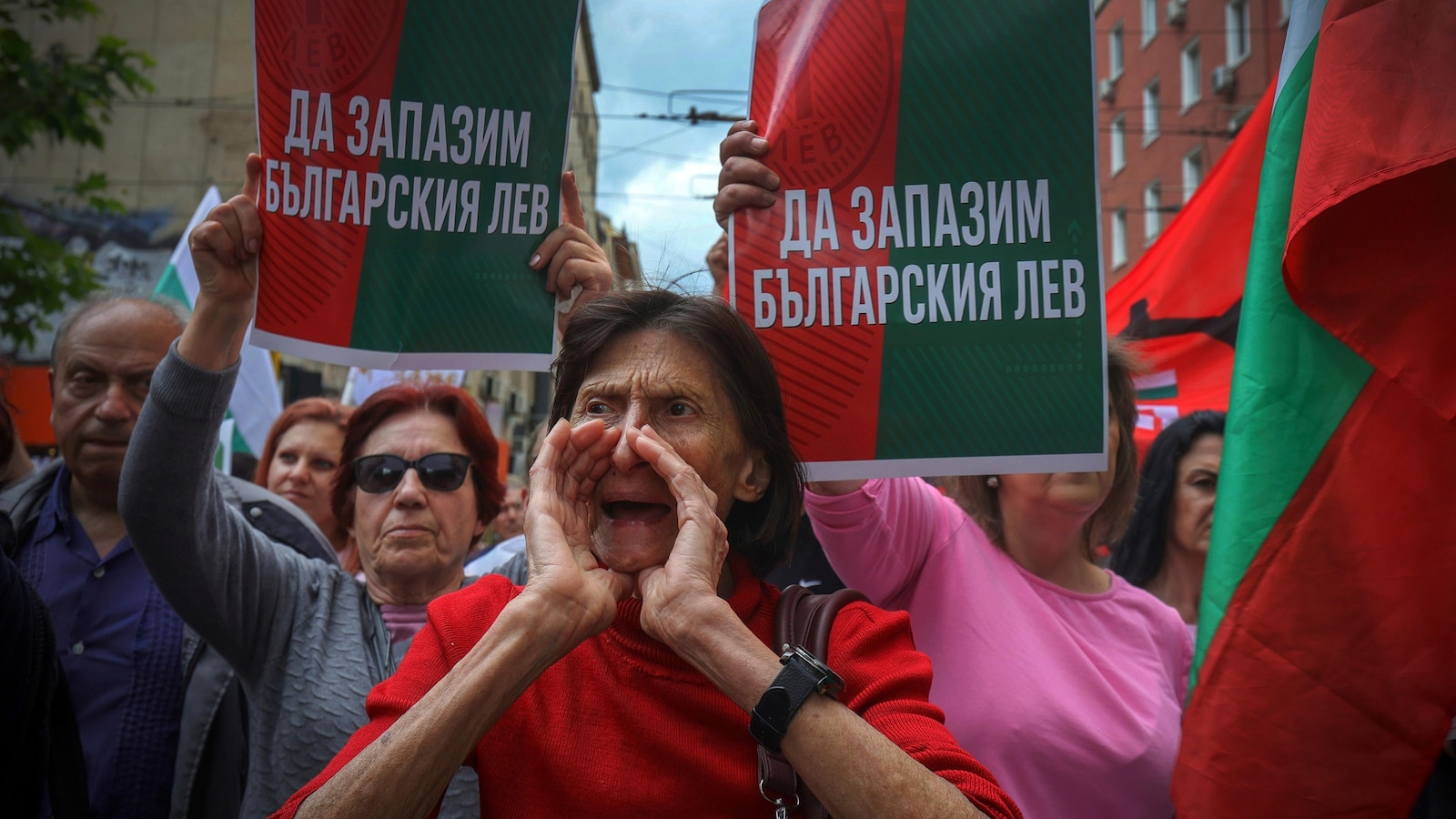
The primary concerns voiced by opponents of euro adoption revolve around inflation, poverty, and a general apprehension about the unknown. Pensioners, particularly vulnerable to price fluctuations, express fears of diminished purchasing power and a decline in their living standards. These sentiments are amplified by disinformation campaigns disseminated through social media, often targeting the older generation less familiar with online nuances. False claims about the EU confiscating savings and insidious narratives painting the digital euro as a tool of control contribute to a climate of distrust and fear.
This atmosphere of apprehension provides fertile ground for populist and pro-Russian political actors who capitalize on these anxieties to bolster their own agendas. Rallies and protests against the euro draw support from citizens genuinely concerned about the economic implications of the transition as well as those swayed by nationalist and eurosceptic rhetoric. The pro-Russian Varazhdane party, for instance, skillfully leverages the anti-euro sentiment to advance its pro-Moscow stance, framing the adoption of the euro as a surrender of national sovereignty.
Conversely, proponents of euro adoption argue that Bulgaria already reaps significant benefits from EU membership, regardless of the currency. They point to the country’s existing economic integration with the EU and the potential for lower borrowing costs, simplified price comparisons, and seamless travel within the eurozone. Moreover, they emphasize the symbolic importance of euro adoption as a demonstration of commitment to European integration and a sign of confidence in the EU’s economic stability. They view membership in the eurozone as a crucial step towards deeper integration and a stronger voice within the EU’s decision-making processes.
Despite the opposition, the Bulgarian government remains steadfast in its pursuit of eurozone membership. Having requested a review by the European Commission, the government awaits the verdict, which will determine whether Bulgaria meets the criteria of low inflation, sound public finances, and legal conformity with EU institutions. While Bulgaria previously failed to meet the inflation requirement, recent declines in inflation rates offer a glimmer of hope. However, the government’s efforts are complicated by the actions of President Rumen Radev, who has publicly expressed reservations about the euro and proposed a referendum on the issue.
The political landscape is further complicated by the deep-seated distrust of institutions and the prevalence of corruption, which have historically fueled euroscepticism in Bulgaria. These vulnerabilities are exploited by external actors who seek to undermine the country’s integration with the West. Disinformation campaigns originating from abroad amplify anxieties regarding economic changes, playing on fears that euro adoption will exacerbate poverty. This external interference adds another layer of complexity to the already challenging task of navigating public opinion and building consensus around the euro.
Economists offer a more nuanced perspective, asserting that euro adoption will not drastically alter Bulgaria’s economy in the short term. This is largely due to the lev’s existing peg to the euro at a fixed exchange rate. While acknowledging the possibility of a minor, one-time inflationary effect during the transition, experts argue that the long-term benefits outweigh the potential short-term adjustments. These benefits include reduced borrowing costs, increased price transparency, and elimination of currency exchange fees within the eurozone. Furthermore, euro adoption would grant Bulgaria a seat on the European Central Bank’s governing council, giving the country a greater voice in shaping monetary policy.
Bulgaria’s fiscal prudence stands in stark contrast to some other eurozone members, particularly Greece, which faced a severe debt crisis after joining the monetary union. Bulgaria’s low debt-to-GDP ratio significantly reduces the risk of the country becoming a fiscal burden on the eurozone. This fiscal stability provides a solid foundation for a smooth transition to the euro and mitigates the risk of replicating the financial turmoil experienced by other member states. Ultimately, the decision rests with the European Commission and the other eurozone members. As Bulgaria awaits their verdict, the country grapples with the complex interplay of economic realities, political maneuvering, and the pervasive influence of disinformation in shaping public opinion on this pivotal issue.