


Brussels’ Digital Iron Fist: Enforcing the DSA and the Erosion of Free Speech
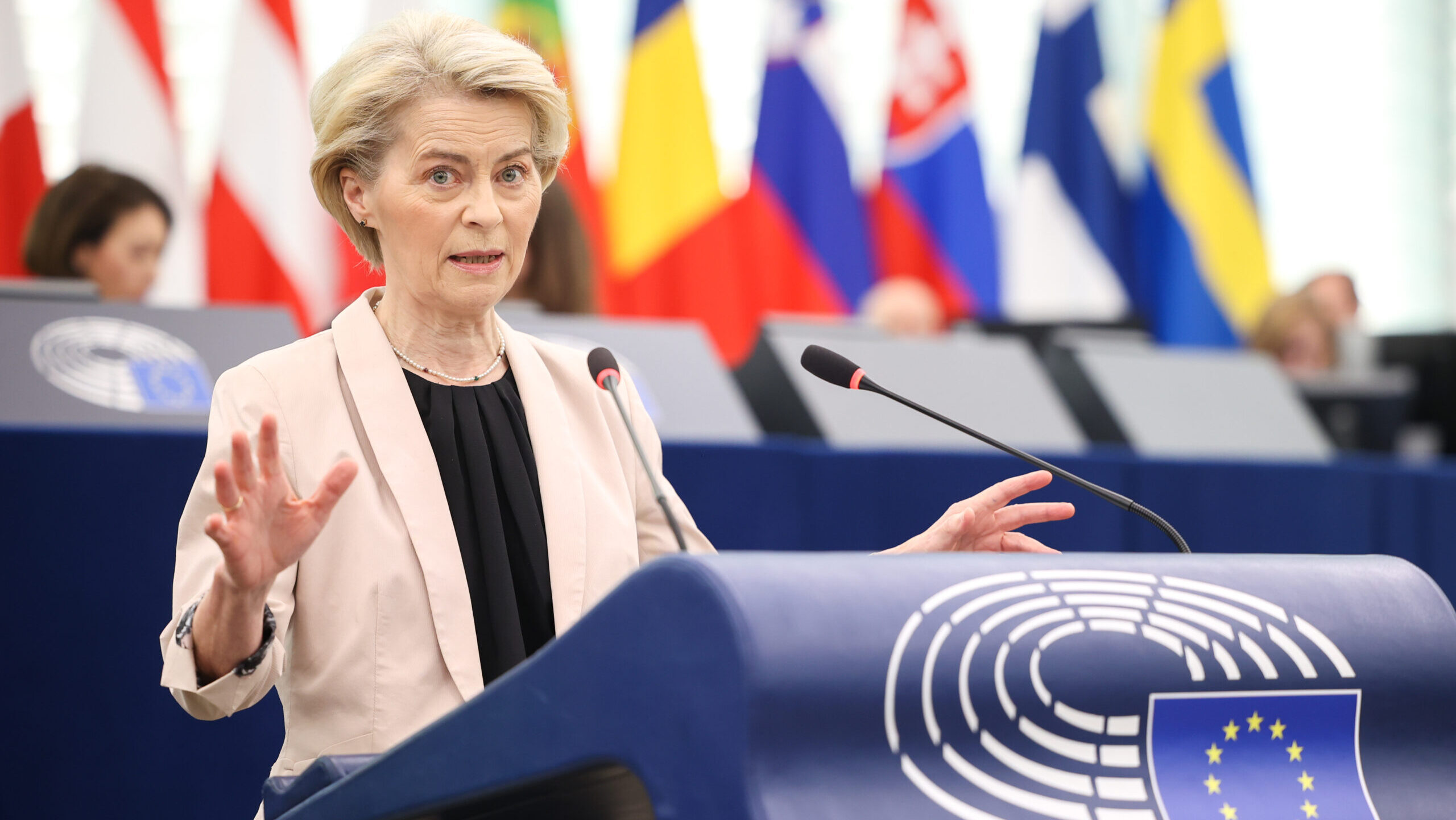
The European Commission, under the leadership of President Ursula von der Leyen, is flexing its regulatory muscles, wielding the Digital Services Act (DSA) to enforce content moderation rules on global tech giants. Von der Leyen insists that enforcement is impartial, stating that Brussels "doesn’t care where a company’s from and who’s running it." However, a closer examination reveals a potential bias against American social media companies, particularly those that champion free speech and have been associated with the Trump administration, such as X (formerly Twitter) and Meta (formerly Facebook).
While von der Leyen maintains that the DSA is applied "fairly, proportionally, and without bias," the reality appears more nuanced. While several companies, including TikTok, Apple, and Meta, face scrutiny and potential fines, predominantly for DMA (Digital Markets Act) infractions, the case against X stands out. Brussels is reportedly poised to impose a staggering €1 billion fine on X, an unprecedented penalty, allegedly for DSA violations related to content moderation and data sharing.
The core of the issue revolves around X’s resistance to censoring content deemed "harmful" or "disinformation" by the EU. The company’s stance echoes the revelations of the "Twitter Files," which exposed alleged government influence and political bias in content moderation practices. Meta faces similar pressure after CEO Mark Zuckerberg dismissed fact-checkers accused of political bias, raising concerns about the resurgence of censorship under the DSA. Essentially, American companies striving to uphold free speech principles are being compelled to reinstate the very censorship mechanisms they rejected.
Von der Leyen’s assertion of impartiality appears increasingly tenuous in light of the EU Parliament’s "Ursula coalition" openly expressing concerns about "tech oligarchs" aligned with former President Trump. Furthermore, the purported "disinformation" disseminated on platforms like X and Meta is cited as a justification for the EU’s development of the "Democracy Shield," a framework designed to further control online content and reinforce DSA enforcement.
This aggressive stance against free speech-oriented platforms, particularly American companies, has not gone unnoticed by the Trump administration. Former Vice President Mike Pence has criticized the EU’s insistence on political censorship, and the targeting of U.S. tech giants is a central point of contention in the escalating trade war between Washington and Brussels. The context of these developments casts doubt on the EU’s claim of unbiased DSA enforcement, suggesting a potential political dimension to the regulatory actions.
The EU’s crackdown on these platforms is not just about content moderation; it delves into the intricate relationship between technology, politics, and free speech. The DSA, initially presented as a tool for consumer protection and market fairness, is now perceived by some as a potential instrument for political censorship. Critics argue that the broad definitions of “harmful” and “disinformation” within the DSA grant excessive power to regulators, potentially stifling dissenting voices and limiting open discourse.
The implications of this regulatory battle extend far beyond individual companies. It raises fundamental questions about the future of the internet, the balance between free speech and content regulation, and the transatlantic relationship. The EU’s assertive approach challenges the American ideal of an open and unregulated internet, creating a potential clash of values and regulatory frameworks.
The escalating tensions between the U.S. and the EU underscore the growing divide in their approaches to digital governance. While the U.S. traditionally prioritizes free speech, the EU emphasizes a more cautious approach, prioritizing content moderation and user safety. This divergence raises complex questions about jurisdiction, sovereignty, and the global regulation of the digital sphere.
The unfolding saga surrounding the DSA and its enforcement highlights the challenges of regulating global tech platforms. The clash between the EU’s emphasis on content moderation and the U.S.’s focus on free speech creates a complex legal and political landscape. The outcome of these regulatory battles will shape the future of online discourse and the balance of power between governments and tech giants.
The EU’s actions raise concerns about the potential for overreach and the chilling effect on free speech. Critics argue that the DSA’s broad definitions of harmful content could be used to suppress legitimate criticism and dissent. The €1 billion fine looming over X serves as a stark warning to other platforms and raises questions about the proportionality of the EU’s enforcement actions.
The ongoing dispute also highlights the need for international cooperation and dialogue on digital governance. A fragmented regulatory landscape, with varying approaches to content moderation and free speech, creates uncertainty for businesses and users alike. A global consensus on these issues is crucial to ensure a balanced and predictable online environment.
The DSA saga is not just a technical debate about content moderation; it’s a fundamental clash of values and visions for the future of the internet. The outcome of this battle will have far-reaching implications for free speech, online discourse, and the relationship between governments and technology companies worldwide.