


Iranian Missile Strikes and Disinformation: A BBC Reporting Controversy
The morning of June 19th, 2024, marked a critical juncture in the escalating conflict between Israel and Iran. The BBC News website, a globally recognized source of information, opened a live page reporting on the unfolding events. The initial entry declared that an Israeli military official confirmed dozens of Iranian missiles had been launched, hitting civilian areas including Soroka Hospital in Beersheba. This report set the stage for a chain of events that would raise questions about the BBC’s handling of information, particularly its dissemination and subsequent correction of Iranian disinformation.
Within two hours of the initial report, the BBC began relaying claims from Iranian state media, which asserted that the strike on Soroka Hospital was unintentional, targeting a nearby military site instead. This information, later debunked, was prominently featured on the live page, feeding into the narrative propagated by the Iranian regime. While the BBC did include caveats about verifying the claims, the initial prominence given to the Iranian narrative raised concerns about the speed with which unverified information was disseminated to a global audience.
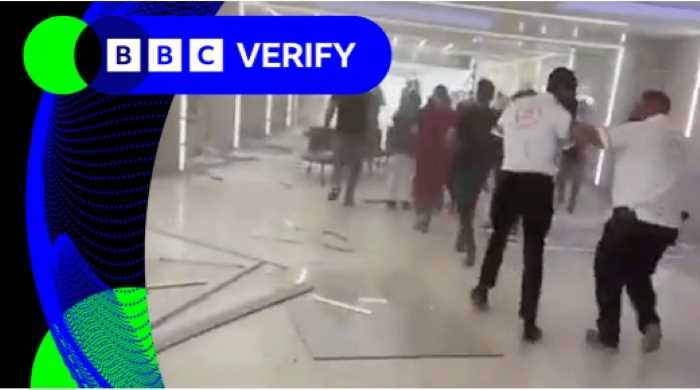
As the day progressed, BBC Verify, the organization’s fact-checking arm, stepped in to investigate the Iranian claims. Despite numerous updates on their live page stating they were working to verify the information, no definitive clarification was provided regarding the veracity of the Iranian narrative. Meanwhile, independent analysis on social media platforms, including a detailed thread by an account known as ‘Fake Reporter’, exposed the fabricated map used by Iranian authorities to support their claims. This independent investigation revealed that Soroka Hospital had suffered a direct hit, contradicting the Iranian narrative of collateral damage.
The BBC Verify team eventually confirmed the fabricated nature of the map and the direct hit on Soroka Hospital through internal communication. However, this crucial information was not promptly shared with the BBC audience. Neither the live pages, the dedicated BBC Verify page, nor the initial news report were updated to reflect this corrected information. This omission allowed the Iranian disinformation to continue circulating unchecked, potentially influencing public perception of the events.
Furthermore, the BBC’s coverage continued to amplify the Iranian narrative even after the disinformation was debunked internally. A report by BBC journalists Lyse Doucet and Lucy Clarke-Billings, published hours after the BBC Verify team confirmed the fabricated map, still included the Iranian claim that the hospital was not intentionally targeted. This delayed correction, despite internal knowledge of the facts, raises questions about the BBC’s editorial process and commitment to promptly correcting misinformation.
The BBC’s coverage also extended to a comparison between the Soroka Hospital incident and damage to the Farabi Hospital in Gaza, presented as "two similar tragedies" by BBC Persian reporter Parizad Nobakht. However, this comparison lacked crucial context. While Soroka suffered a direct hit, the damage to Farabi resulted from the IRGC’s use of the hospital vicinity for military purposes, making it a legitimate military target. This omission of key details further skewed the narrative and presented an incomplete picture of the events to the audience.
The BBC’s handling of the Iranian missile strike reports raises several crucial questions about journalistic responsibility in the age of misinformation. While the organization’s commitment to verification is commendable, the delay in correcting and clarifying the Iranian disinformation, coupled with the continued amplification of the false narrative, casts a shadow over their reporting. The incident underscores the need for news organizations to be vigilant in verifying information rapidly and transparently correcting any inaccuracies, especially in rapidly evolving situations where misinformation can quickly take hold. The BBC’s actions in this case highlight the challenges faced by news organizations in balancing the speed of reporting with the imperative of accuracy and the responsibility to correct the record effectively.