


Paragraph 1: The False Claim and the Unfolding Reality
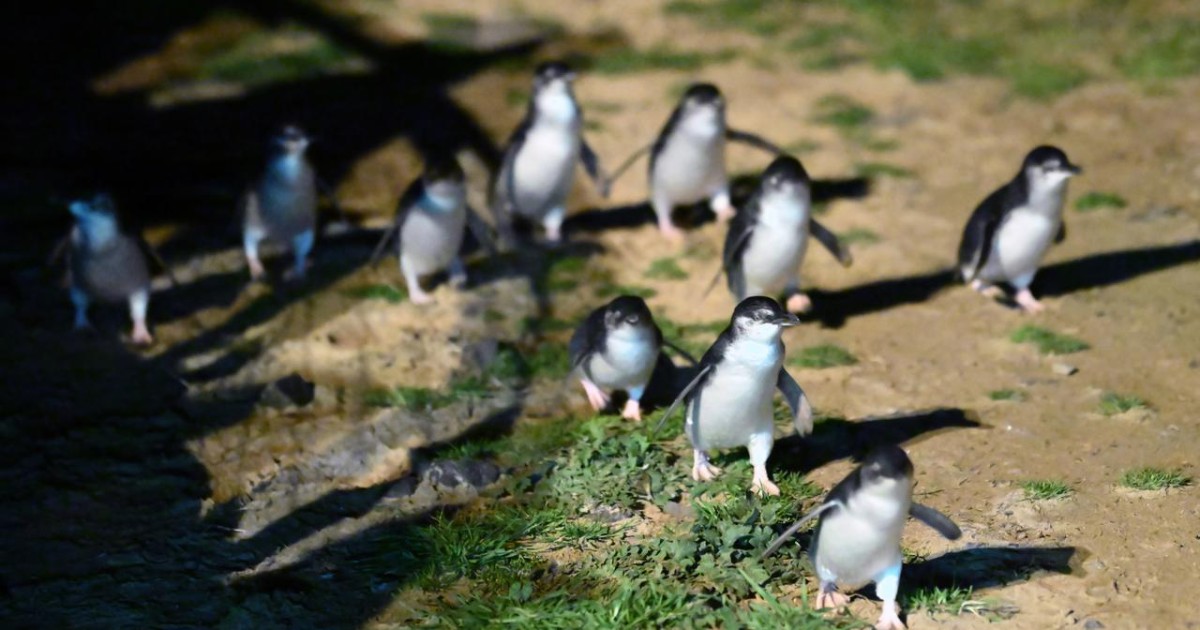
A wave of misinformation has swept across social media regarding the health of the iconic little penguin colony on Phillip Island, with a resurfaced online post falsely asserting that no penguin has been infected with the H5N1 avian influenza virus. This claim, which surfaced prominently in a Facebook post dated August 17, attempted to frame the ongoing vaccination program for the birds as a gross overreaction driven by “vaccine fanaticism.” However, this assertion is unequivocally false. Authorities had already officially confirmed the first case of bird flu in a little penguin three days prior, on August 15th. The Agriculture Victoria department issued a media release on that date announcing that the carcass of a little penguin from the Phillip Island colony had tested positive for the highly pathogenic H5N1 strain. This specific detection was part of a broader alert, as it was one of three new H5 bird flu detections found in wild birds across Victoria at the time, highlighting the ongoing environmental spread of the virus. The false social media post, which was lifted almost verbatim from a tweet posted by former Liberal MP Craig Kelly, represents a significant delay in information uptake and a direct contradiction of the official scientific record, underscoring the perilous nature of misinformation during active wildlife health crises.
Paragraph 2: A Timeline of Discrepancy and Direct Contradiction
To fully appreciate the inaccuracy of the claim, one must examine the precise timeline of events surrounding the announcement. The viral Facebook post and Mr. Kelly’s X (formerly Twitter) post relied heavily on a clip from a 7News television broadcast. In that clip, a reporter stated that there had been no detections of the virus in little penguins. However, critical context reveals that this particular television report aired on August 12th—a full three days before the first positive detection was officially announced by authorities. The mismatch between the footage and the evolving reality became glaringly apparent on August 15th. At 4:20 pm AEDT that day, ABC News published an online article reporting the confirmed case in the little penguin. Despite this, Mr. Kelly posted his misleading message on X at approximately 8:00 pm AEDT that same evening, a full four hours after the news had already broken nationwide. Consequently, the premise of the misinformation—that “not a single little penguin has been found to have ‘bird flu'”—was factually incorrect at the exact moment it was published. The science had already moved on, and the geography of the virus had expanded to include the world’s largest colony of little penguins, which numbers approximately 40,000 birds residing on the island.
Paragraph 3: The Implementation of the Urgent Vaccination Program
In response to this confirmed threat, authorities initiated an unprecedented wildlife health intervention. Mass vaccination of the Phillip Island little penguins officially commenced on August 17th, marking a significant logistical and veterinary undertaking. The program requires the careful capture, handling, and injection of the penguins—a procedure that must be repeated twice per bird to ensure adequate immune response. This proactive measure was designed to build herd immunity within the colony against a virus that can have catastrophic mortality rates in naive seabird populations. The Facebook post derided these efforts, claiming that the capture and injection process would “cause more harm to the little penguins” than the virus itself. However, conservation scientists and veterinary experts involved in the response argue that the human interaction, while stressful, constitutes a negligible risk compared to the lethal potential of the H5N1 virus. The vaccination program is not merely a reactionary measure to the single confirmed case; rather, it is a strategic, pre-emptive defense aimed at safeguarding a globally significant wildlife tourism asset and preventing a potential ecological disaster that could wipe out a substantial portion of the colony, which attracts hundreds of thousands of tourists annually to view the “Penguin Parade.”
Paragraph 4: The Broader Panzootic and the Vulnerability of the Species
The detection of H5N1 in the little penguin is not an isolated anomaly but rather a symptom of a wider, severe panzootic event that has been devastating bird populations across the globe. The current strain, classified as clade 2.3.4.4b, has demonstrated an unprecedented ability to infect a wide range of avian species, as well as mammals, and has been responsible for the deaths of millions of wild birds. For penguins, the threat is particularly acute due to their lack of historical exposure to this specific lineage of the virus; their immune systems have not evolved the necessary defenses to combat this novel pathogen, leading to high mortality rates in affected colonies in other parts of the world. In Australia, the virus is believed to have been introduced and spread by wild migratory shorebirds, which act as asymptomatic carriers, shedding the virus through their feces into the environment. The Phillip Island colony, although large, is densely populated, creating ideal conditions for rapid viral transmission if not curtailed. The detection on August 15th was a stark warning that the virus had traversed the ecological barrier, moving beyond transient wild species into the sedentary, vulnerable resident population. Therefore, the vaccination drive is essential to creating a protective barrier, reducing the viral load in the environment, and preventing a catastrophic die-off that would not only harm biodiversity but also disrupt the local ecosystem for generations.
Paragraph 5: Anatomy of Misinformation and Its Potential Consequences
The spread of the false claim highlights a dangerous pattern of misinformation that combines selective use of outdated footage with a dismissive tone toward scientific authority. The Facebook post, specifically accusing “fools” of harming the penguins through vaccination, taps into a broader narrative of vaccine hesitancy that has unfortunately extended to conservation efforts. By citing a stale 7News clip, the narrative manipulates viewers into believing that the experts are acting in the absence of evidence. Yet, the reality is that the evidence arrived precisely on August 15th, and the authorities acted accordingly. The danger of such misinformation extends beyond mere journalistic accuracy; it has tangible consequences for public trust. When the public is convinced that wildlife authorities are engaging in “madness” and causing harm, it can undermine compliance with biosecurity measures, reduce public vigilance in reporting sick or dead birds, and even lead to verbal or physical abuse directed at field teams. Furthermore, the false statement that “not a single little penguin has been found” directly contradicts the official record, forcing the scientific community to spend critical time and resources fact-checking and debunking claims, diverting attention away from the actual medical and biological emergency unfolding on the island.
Paragraph 6: Verification, Context, and the Path Forward
AAP FactCheck, which conducted the verification of these claims, has conclusively labeled the assertion as false, reaffirming the validity of the governmental data. The virus was confirmed in the colony on August 15th, and vaccination efforts commenced on August 17th immediately afterward. While the historical 7News report accurately reflected the situation on August 12th, the rapid evolution of events means that any subsequent use of that report to dismiss the current threat is disingenuous and misleading. Since the detection, 7News itself has subsequently reported on the positive case in various news bulletins, correcting the record. The authorities are continuing to monitor the colony closely, and the vaccination program is progressing to protect the remaining vulnerable birds. The community and scientific bodies must rely on current information from Agriculture Victoria and the CSIRO rather than unverified social media fragments. While the capture and vaccination process may appear invasive, it is the most robust defense available against a virus that poses a 100% mortality risk in some penguin populations. As the vaccination progresses, the only acceptable response to the colony’s health crisis is one rooted in scientific fact, immediate detection, and proactive immunisation, ensuring that the world’s largest little penguin colony survives this latest biological challenge. The record is clear: bird flu is present, and the response is a justified, scientifically-backed emergency measure.