


The Waco Siege: A 30-Year Retrospective on Governmental Overreach and the Erosion of Trust
The Waco siege, a tragic 51-day standoff between the Branch Davidian religious sect and federal law enforcement agencies in 1993, remains a deeply controversial event etched in American history. The Bureau of Alcohol, Tobacco, Firearms and Explosives (ATF) recently published a historical account of the events, but its narrative has been widely disputed. This account, rife with inconsistencies and omissions, reignites the debate surrounding the raid’s justification, execution, and devastating aftermath. The siege underscores the dangers of governmental overreach, the fragility of constitutional rights, and the critical role of transparency and accountability in maintaining public trust in law enforcement.
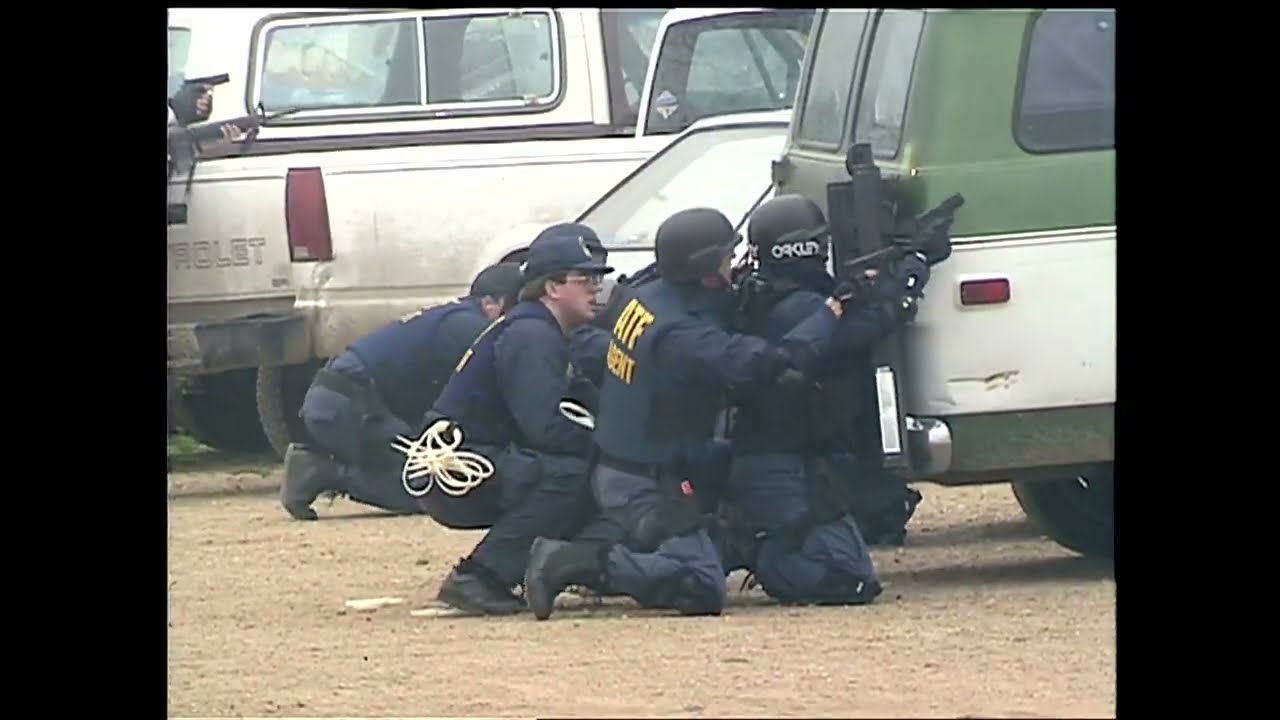
The ATF’s initial raid on the Branch Davidian compound near Waco, Texas, on February 28, 1993, was ostensibly based on suspicions of illegal firearms modifications. However, the agency’s warrant application contained inaccuracies and its motives remain suspect. The ATF’s reputation had been tarnished by the Ruby Ridge incident the previous year, and congressional budget hearings were imminent. This context raises questions about whether the raid was driven by a genuine law enforcement need or a desire to rehabilitate the agency’s image. Adding to the suspicions was the pre-raid media outreach, suggesting a pre-planned publicity campaign.
The ATF’s account contradicts witness testimonies and physical evidence, particularly concerning who fired the first shots. The ATF claims the Davidians initiated the firefight, while surviving Davidians maintain they were ambushed. This discrepancy, crucial in determining the legality of the subsequent siege, was never fully resolved due to the destruction of evidence and conflicting accounts. The ensuing 51-day siege, led by the FBI, was marked by a chaotic and dysfunctional command structure. Internal conflicts between the FBI’s Hostage Rescue Team (HRT) and negotiators undermined any possibility of a peaceful resolution. Furthermore, the FBI’s use of incendiary tear gas grenades during the final assault, despite their known flammability, contributed to the devastating fire that consumed the compound and claimed the lives of 76 Branch Davidians, including 25 children. The FBI’s actions, characterized by recklessness and a disregard for human life, fueled public outrage and accusations of a government cover-up.
The aftermath of the Waco siege was marred by further controversy. The trials of surviving Davidians were characterized by questionable evidence and harsh sentences, raising concerns about due process and the fairness of the judicial system. The jury’s intent to deliver lenient sentences based on the perceived minor nature of the charges was circumvented by the judge’s interpretation of the law, resulting in lengthy prison terms. This miscarriage of justice only deepened the public’s distrust in the government’s handling of the Waco tragedy. The Oklahoma City bombing two years later, though unrelated to Waco, was exploited by the Clinton administration to discredit criticism of the government’s actions at Ruby Ridge and Waco, effectively silencing dissenting voices and stifling further investigations.
The Waco siege stands as a stark reminder of the potential for governmental power to be misused and the importance of holding law enforcement agencies accountable. The ATF’s flawed warrant application, the botched raid execution, the FBI’s disastrous siege tactics, and the subsequent attempts to control the narrative all contributed to a pervasive sense of injustice and a profound loss of public trust. The incident fueled the growing movement for greater government transparency and stricter adherence to constitutional principles. The accessibility of information through nascent technologies like email and online forums played a crucial role in disseminating alternative perspectives and challenging the official narrative, bypassing the traditional media gatekeepers.
Thirty years later, the legacy of Waco continues to resonate. The credibility of federal law enforcement agencies, particularly the ATF and FBI, remains tarnished by the events of that fateful spring. The siege serves as a cautionary tale about the dangers of unchecked power, the importance of upholding constitutional rights, and the need for constant vigilance in safeguarding against governmental overreach. It also highlights the essential role of a free press and open access to information in holding those in power accountable and preventing future tragedies. The lessons learned from Waco must not be forgotten, lest we repeat the mistakes of the past.