


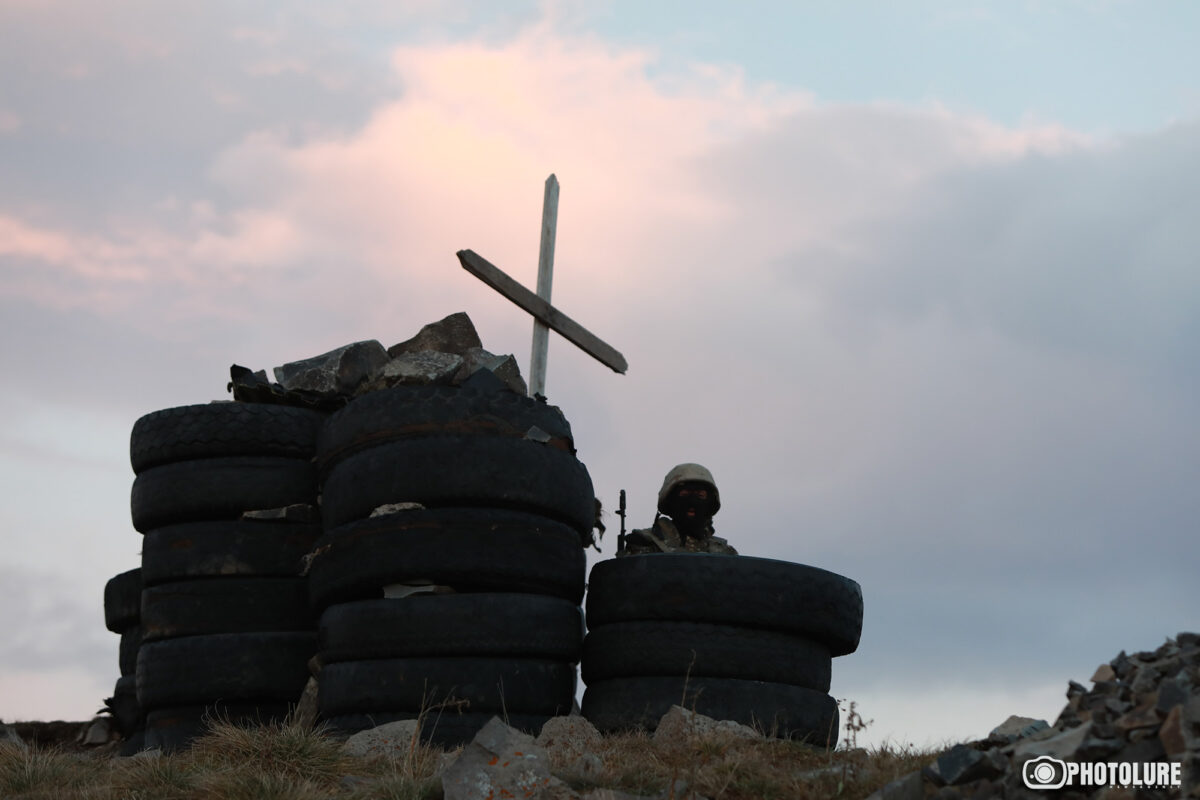
Armenia Rejects Azerbaijani Claims of Ceasefire Violation, Renews Call for Joint Investigation Mechanism
YEREVAN, Armenia – Tensions continue to simmer along the Armenia-Azerbaijan border as the two nations trade accusations of ceasefire violations. The latest incident centers around allegations by Azerbaijan’s Ministry of Defense that Armenian forces opened fire on Azerbaijani positions in the eastern and southeastern sections of the border during the night of April 6-7. Armenia vehemently denies these claims, dismissing them as fabrications and reiterating its commitment to upholding the ceasefire. This latest exchange underscores the fragility of the peace and the urgent need for a verifiable mechanism to investigate such incidents and prevent further escalation.
The Armenian Ministry of Defense issued a strong rebuttal, categorically rejecting Azerbaijan’s version of events. "The statement issued by the Ministry of Defense of Azerbaijan… does not correspond to reality," the Armenian statement declared. This denial comes amidst a backdrop of heightened tensions and mutual distrust between the two countries, which have been locked in a protracted conflict over the Nagorno-Karabakh region. The absence of an independent mechanism to investigate ceasefire violations allows for conflicting narratives and fuels mistrust, making de-escalation efforts more challenging.
Armenia has consistently advocated for the establishment of a joint mechanism to investigate ceasefire violations, a proposal put forth by Prime Minister Nikol Pashinyan’s office. This mechanism, according to Armenia, would involve representatives from both sides and potentially international observers, tasked with objectively assessing the facts on the ground and determining responsibility for any breaches of the ceasefire. Such a mechanism, if implemented effectively, could play a crucial role in building confidence and preventing future escalations.
Azerbaijan, however, has yet to respond to Armenia’s proposal, leaving the initiative in limbo. This inaction, according to Armenian officials, underscores Azerbaijan’s lack of commitment to de-escalation and its preference for using accusations as a tool to maintain pressure and control the narrative. The absence of a response from Baku raises concerns about their willingness to engage in good-faith efforts to resolve the ongoing border tensions.
Despite Azerbaijan’s non-responsiveness, Armenia has reiterated its readiness to cooperate in any investigation. The Armenian Ministry of Defense has stated its willingness to examine any evidence presented by Azerbaijan to substantiate its claims, provided that such evidence is shared with Yerevan. This demonstrates Armenia’s commitment to transparency and its willingness to engage in constructive dialogue, even in the face of unproven accusations. The proactive stance taken by Armenia highlights their commitment to finding a peaceful resolution to the ongoing tensions.
The continued exchange of accusations without a credible mechanism for verification creates a volatile situation. The lack of a neutral investigative body allows each side to present its version of events without fear of independent scrutiny, leading to a cycle of accusations and counter-accusations. International actors, including the OSCE Minsk Group, have called for restraint and dialogue, emphasizing the importance of establishing a mechanism to investigate ceasefire violations. Until such a mechanism is in place, the risk of further escalation remains a serious concern, threatening the fragile peace in the region. The international community must exert pressure on both sides to engage constructively and establish a verifiable process for investigating ceasefire violations, paving the way for a more sustainable peace.