


The Doctor or the Influencer? Experts Warn Medical Misinformation Is Outpacing Credible Voices on Arab Social Media
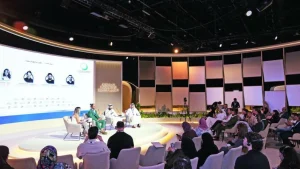
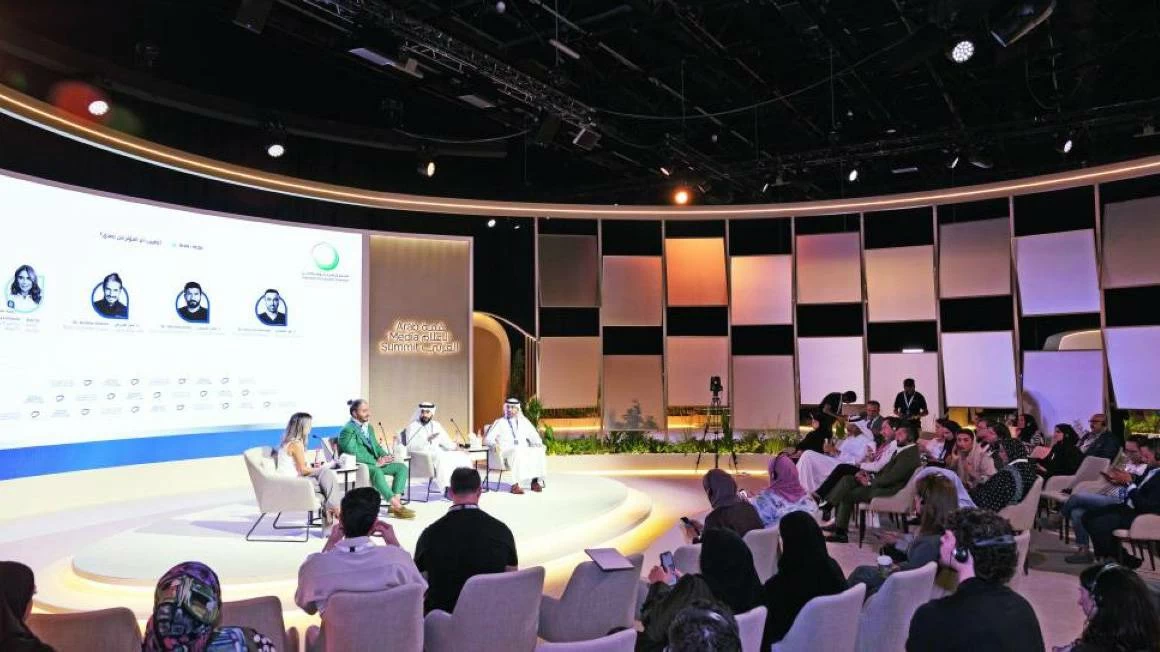
ABU DHABI — In an era where a single viral post can reach millions within hours, the line between sound medical guidance and dangerously misleading advice has never been thinner. This was the central concern raised by experts during the high-profile session “The Doctor or the Influencer… Who Do We Believe?”, held on the opening day of the Arab Social Media Pioneers Summit. The session brought together a distinguished panel of physicians, content creators, and media directors to dissect the growing impact of medical content circulating on digital platforms across the region. With social media increasingly becoming the first—and often only—source of health information for millions of Arabic-speaking users, the debate addressed a fundamental contemporary dilemma: does audience reach, measured in likes and shares, equate to trustworthiness, measured in evidence and expertise? The panellists included Dr. Anwar Al Hammadi, Consultant Dermatologist; Dr. Talal Al Muhaisen, Consultant Dermatologist; Dr. Munther Al-Harini, physician and prominent content creator; and Aya Khayat, a media director with extensive experience in health broadcasting. Their discussion unfolded against a backdrop of a broader summit agenda focused on digital influence, and explored not only the scaling crisis of health misinformation but also the professional, ethical, and institutional responsibilities that physicians, platforms, and the public must now share.
Dr. Talal Al Muhaisen set the tone for the session’s most pressing concern when he observed that non-health influencers have increasingly outshone qualified physicians in the digital arena. He attributed this visibility gap to a combination of factors that characterise the content produced by lifestyle and entertainment influencers: higher posting volume, the allure of bold and often unrealistic promises, and a sophisticated command of attention-grabbing techniques such as sensational thumbnails, exaggerated claims, and emotional recording. Speaking with evident concern, Dr. Al Muhaisen argued that many of the most widely shared health “tips” on social media platforms today come from individuals with no medical training, who profit from suggesting miracle diets, unverified skin-care routines, and instant cures for chronic illnesses. By contrast, he noted, doctors are bound by clear professional guidelines, ethical codes, and the fear of causing harm—constraints that naturally slow their output and temper their phrasing. Consequently, a medical professional might say, “There is no scientific evidence that this treatment works,” while an influencer might simply say, “This changed my life,” capturing exponentially more traction. The dermatologist stressed that this structural asymmetry has reversed the natural order of authority: audiences have come to trust charismatic repetition over rigorous scientific consensus, a worrying development that demands a coordinated response from the medical community.
Building on this foundation, Dr. Anwar Al Hammadi offered a compelling vision of what the physician’s role in the digital space should and should not look like. He was unequivocal in asserting that doctors must become influential and effective online, but he drew a sharp line in the sand: they should not become marketers. The distinction, he explained, lies in intent and method. A doctor who engages audiences to educate, prevent disease, and correct misconceptions is fulfilling a sacred professional obligation and extending the scope of medicine beyond the hospital walls. A doctor who adopts the tactics of a commercial promoter—manufacturing controversy, exaggerating results, selling products under the guise of advice, or chasing virality through fear and sensationalism—compromises both personal integrity and the credibility of the profession. Dr. Al Hammadi warned that the public’s growing scepticism toward medical institutions is not solely the fault of voices outside medicine; it is also aggravated by a minority of practitioners who blur the line between patient welfare and personal brand-building. He concluded his remarks by urging his colleagues to see digital platforms not as marketing arenas but as vast, under-served clinics for public health education. The presence of reputable, verified physicians across these channels, he argued, is itself a public health intervention—one that can pre-empt dangerous behaviours, reduce patient anxiety, and promote wellbeing before illness occurs.
The practical challenge of communicating complex medical realities to a non-specialist audience was taken up by Dr. Munther Al-Harini, who offered an insider’s perspective as both a certified physician and an established content creator. Dr. Al-Harini was adamant that the solution is not for doctors to retreat into a safe but silent ivory tower, but rather to commit to learning the language of their audiences. He argued that the public does not respond to what is most accurate, but to what is most comprehensible and emotionally engaging—and that it is the responsibility of medical professionals to master that language without falsifying content. Drawing on his own experience in producing educational videos, Dr. Al-Harini stressed the importance of simplification: replacing jargon-laden terminology with relatable metaphors, breaking long-winded explanations into short visual segments, and using storytelling to make dry scientific facts memorable and actionable. He also acknowledged the challenges of maintaining scientific rigour while competing for attention, but insisted that these are not mutually exclusive. In his view, the doctor-influencer who devotes hours to explaining, in an accessible way, how antibiotics work or why chronic disease prevention matters, is performing a more valuable service than the traditional practitioner who only treats patients at the point of crisis. Supporting this perspective, media director Aya Khayat emphasised the critical role of professional production values and editorial oversight in closing the trust gap. She noted that the most successful health content combines accuracy with engaging visual communication, and she called on media organisations to partner more actively with credible doctors to produce content that can compete with entertainment while remaining ethically grounded.
The conversation naturally extended beyond individual conduct to encompass the systemic challenges of the broader information ecosystem. The panellists collectively stressed that widespread circulation is not, in itself, evidence of authenticity. In many cases, they noted, misinformation propagates not because the public is foolish, but because deceptive content is structurally optimised for engagement by platform algorithms that reward controversy, emotion, and simplicity. A desperate patient searching for relief from symptoms may easily encounter a polished video claiming a natural cure that clinical evidence has repeatedly disproven, while the carefully worded rebuttal from a specialist receives a fraction of the views. The experts highlighted concrete dangers arising from this environment: patients delaying cancer screenings because of misleading posts, diabetics abandoning prescribed medication in favour of herbal remedies promoted by celebrities, and rising vaccine hesitancy driven by deeply misleading narratives circulated in private messaging groups. The discussion further touched on the responsibility of the platforms themselves, with the panellists urging social media companies to prioritise health content moderation, clearly flag medical claims that contradict scientific consensus, and collaborate with national health authorities to amplify official guidance. At the same time, they acknowledged that platform regulation alone is insufficient, and that a genuine solution requires empowering ordinary users with the critical-thinking skills necessary to identify red flags, verify sources, and distinguish a certified specialist from a performance artist with a smartphone camera and a willingness to advise others on matters of life and death.
In its concluding segment, the session delivered a clear set of recommendations for the future. The panellists were unanimous that the authority of medical expertise and the weight of scientific evidence must remain the ultimate foundation upon which all health information is evaluated, regardless of how polished or viral a piece of content may be. They called for a substantial investment in strengthening the digital presence of qualified doctors as proactive health educators, encouraging physicians to view social media as an extension of their clinical role rather than an optional side activity. The experts likewise underscored the importance of integrating media communication and digital literacy into medical education and professional development, so that the next generation of physicians is equipped not only to diagnose disease but also to communicate health effectively across emerging platforms. They also recommended building institutional bridges between medical associations, health ministries, and content developers, in order to produce reliable, culturally relevant content that resonates with Arabic-speaking audiences. Finally, the session stressed a message of collective responsibility: the fight against health misinformation is not one that can be won by doctors alone, but demands coordinated engagement from media professionals, technology companies, public health organisations, educators, and the citizens who must ultimately make informed decisions for themselves and their families. As one panellist concluded, the competition for hearts and minds in the digital age will be won not by the loudest voice, but by the most trusted one—and trust, once lost, is far harder to restore than a trending algorithm is to exploit.