


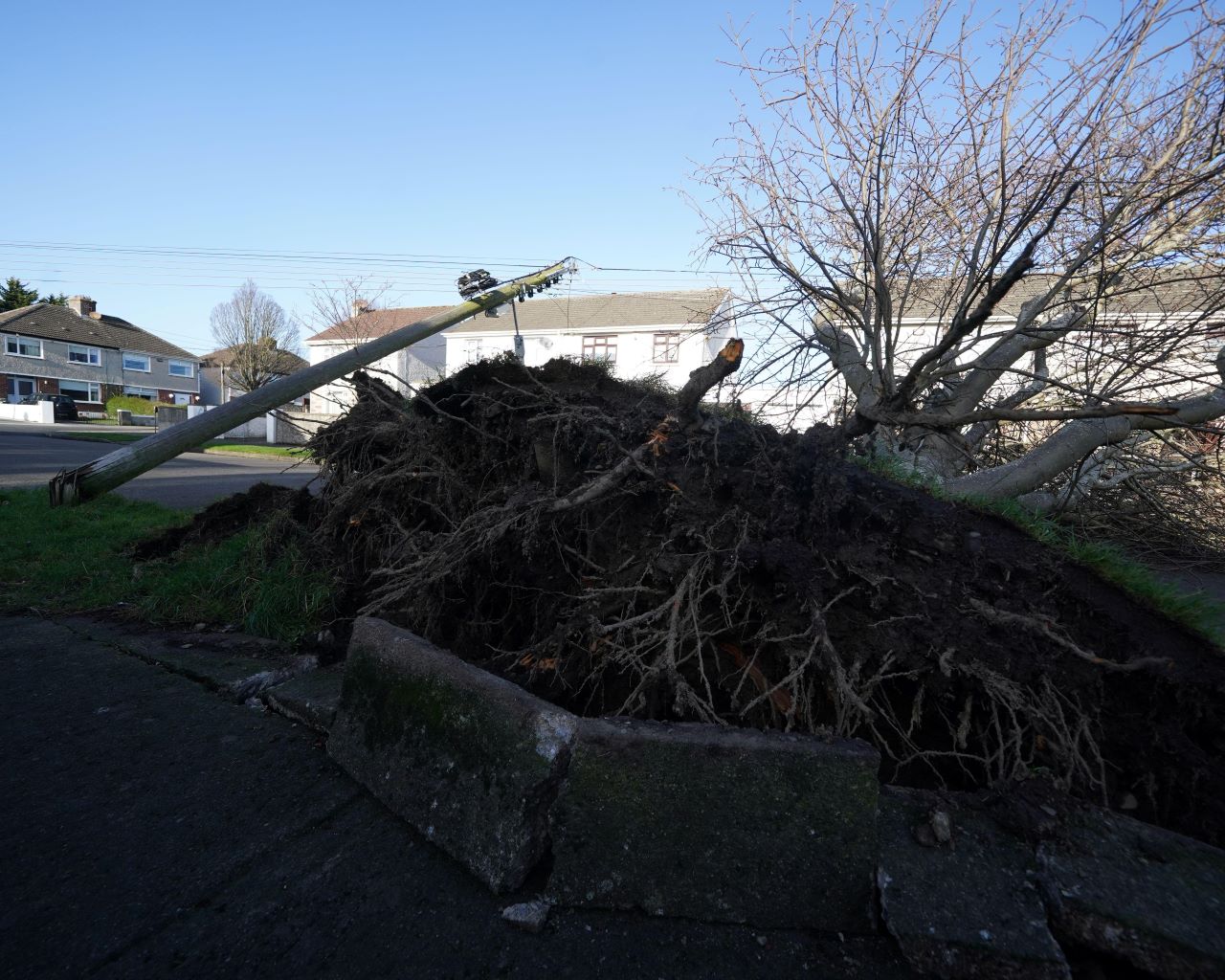
Storm Éowyn Unleashes Havoc, Exposing Vulnerabilities in Essential Infrastructure and Highlighting the Urgency of Energy Transition
The wrath of Storm Éowyn has descended upon the nation, leaving a trail of devastation in its wake. Hundreds of thousands of households, businesses, and farms have been plunged into darkness, grappling with the loss of electricity and essential utilities. As the nation reels from the impact of this widespread calamity, personal experiences are surfacing, offering valuable lessons amidst the chaos. While some of these lessons are immediate and practical, such as the fleeting allure of a candlelit bucket shower in a frigid bathroom, others delve deeper, raising profound questions about the ongoing energy transition and its public perception.
The initial onslaught of the storm, though mercifully sparing lives and structures in certain areas, delivered a severe blow to infrastructure. The sudden disruption of power brought daily routines to a grinding halt, highlighting the precarious dependence on electricity that underpins modern life. The absence of light, heat, and communication exposed the vulnerability of communities in the face of natural disasters, emphasizing the need for robust and resilient infrastructure.
Beyond the immediate inconveniences, the storm’s impact serves as a stark reminder of the critical importance of the energy transition. The widespread power outages underscore the limitations of relying solely on traditional energy sources, which can be easily disrupted by extreme weather events. The experience of living without electricity has ignited a broader conversation about the necessity of diversifying energy sources and embracing renewable alternatives.
The transition to a more sustainable energy system, however, is not without its challenges. Public perception plays a crucial role in the acceptance and adoption of new technologies. While the storm has undoubtedly raised awareness about the vulnerability of existing infrastructure, it has also sparked discussions about the reliability and resilience of renewable energy sources. Addressing these concerns and fostering public trust in the viability of alternative energy solutions will be essential for a successful transition.
As the nation grapples with the aftermath of Storm Éowyn, the focus shifts towards recovery and rebuilding. The lessons learned from this experience must not be forgotten. Investing in resilient infrastructure, diversifying energy sources, and promoting energy efficiency will be crucial for mitigating the impact of future extreme weather events. The storm serves as a wake-up call, urging for a collective effort to ensure a more sustainable and secure energy future.
The road to recovery will be long and arduous, but the lessons learned from this national disaster can pave the way for a more resilient and sustainable future. By embracing the challenges of the energy transition and investing in robust infrastructure, the nation can emerge stronger and better prepared for the uncertainties that lie ahead. The experience of Storm Éowyn has demonstrated the fragility of our current systems and highlighted the urgent need for change, a change that can transform vulnerability into resilience and ensure a brighter future for generations to come. As the nation rebuilds, the focus must remain on creating a more sustainable and secure energy landscape, one that can withstand the inevitable challenges of a changing climate and ensure the well-being of communities for years to come.