








Eric Stehr, a Left party candidate running for parliament in the German state of Saxony-Anhalt, recently found himself the subject of a sophisticated smear campaign involving gruesome, fabricated allegations. Disinformation videos shared on social media platforms have falsely accused the student candidate of heinous crimes, including murder and organizing underground sex parties. These professionally produced clips use the branding and logos of legitimate German media outlets like Spiegel TV and ARD to lend the lies an air of credibility. Authorities and university officials have officially confirmed that these reports are entirely baseless, leaving candidates like Stehr to navigate a landscape where they are powerless to easily scrub their reputations from the internet.
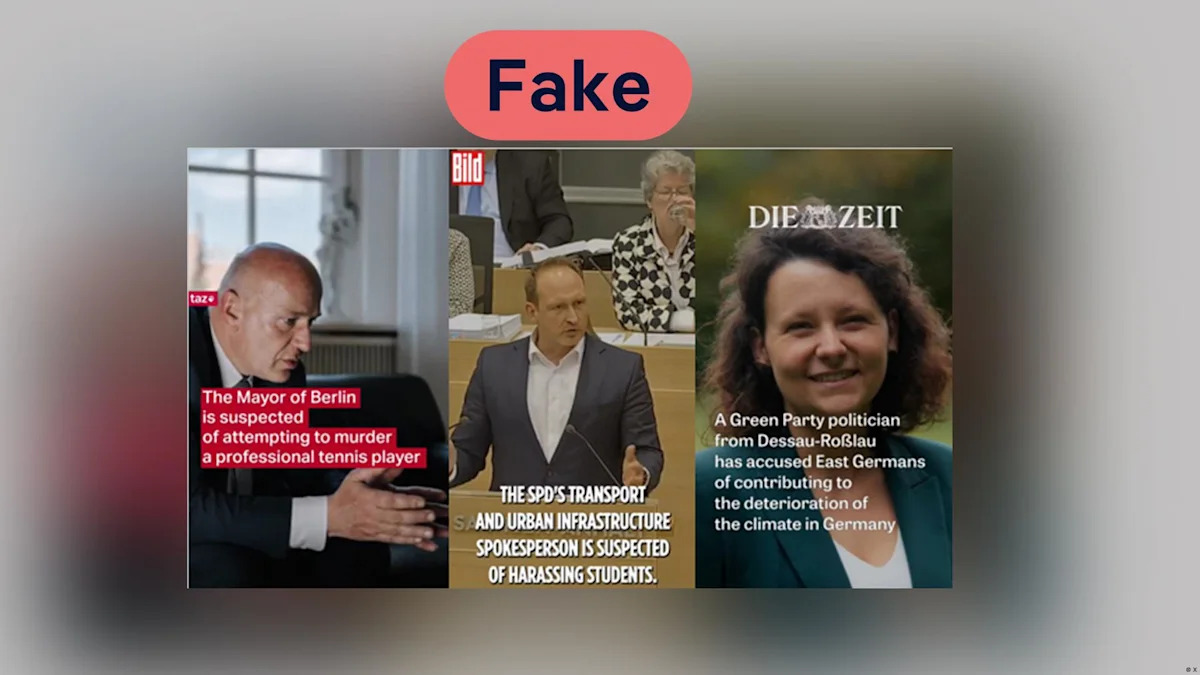
These attacks are part of a broader, organized influence operation known as “Operation Matryoshka” (or “Operation Overload”). According to findings by DW Fact Check and the investigative collective Antibot4Navalny, more than 180 such fake posts have been identified across platforms like X, Bluesky, and TikTok. Researchers have observed a deliberate operational tempo, with activity concentrated on weekdays to mimic professional work hours. While these campaigns have historically targeted federal elections or high-profile international events, the current wave marks an escalation by focusing on local, regional candidates—a move experts describe as an unusual and aggressive extension of Russia’s long-term digital strategy.
Evidence regarding the source of the campaign points toward Russian actors, with analysts noting both linguistic and operational clues. Some posts have inadvertently used Russian-language abbreviations for German political parties, while others have been traced back to groups linked to the GRU, Russia’s military intelligence agency. Experts from the Center for Monitoring, Analysis and Strategy (CeMAS) and the Institute for Strategic Dialogue (ISD) suggest the campaign is likely conducted on behalf of the Russian presidential administration. The goal is clear: discredit political candidates—specifically those perceived as not being Russia-friendly—and undermine faith in the democratic process within Germany.
The content of these disinformation efforts is twofold: personal assassination of character and the promotion of societal discord. Beyond targeting individuals like Stehr or Berlin Mayor Kai Wegner with lurid, AI-generated false claims of corruption and violence, the campaign exploits regional tensions. Many videos push the false narrative that reunification was a mistake or that western Germans systematically despise their eastern counterparts. By using hashtags like #TimeToDivideGermany and fabricating fake polls, the campaign attempts to deepen the psychological rift between the east and west, using disinformation to weaken internal German stability.
Despite the high production value of the videos, researchers maintain that the actual impact on the German electorate remains limited. While individual posts may rack up thousands of views, experts like Pablo Maristany de las Casas note that these figures often represent “artificial amplification” rather than genuine public discourse. The low engagement rates—such as few shares or real-user comments—suggest the content is failing to penetrate the mainstream. Furthermore, platforms like TikTok and Bluesky have shown a greater willingness to moderate and remove such content compared to X, which has frequently declined to take down the videos despite reports of libel.
For victims like Eric Stehr, however, the digital persistence of these smears is a serious concern. Although he intends to file a criminal complaint, the lack of cooperation from some social media platforms underscores the difficulty candidates face in protecting their reputations against state-sponsored disinformation. As Germany heads toward its upcoming state elections, Operation Matryoshka serves as a reminder of the evolving threats to modern democracy, where regional candidates are increasingly forced to grapple with a globalized machinery of lies designed to polarize, discredit, and distract the voting public.


