


Royal Rumours Amplified by Russia-Linked Disinformation Group
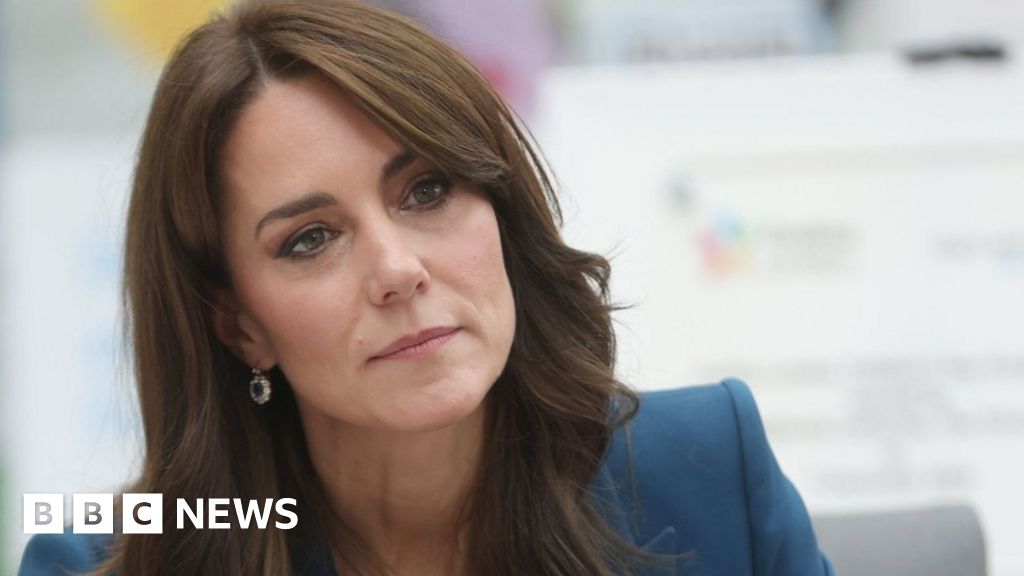
The Princess of Wales, Catherine, recently revealed her cancer diagnosis in a video message, but prior to this announcement, she and Prince William faced a barrage of online rumours and conspiracy theories about her health. While social media speculation about public figures is not uncommon, security researchers have discovered evidence of a coordinated disinformation campaign amplifying these rumours. A Russia-based group, known for its tactics of exploiting existing social tensions and spreading divisive content, is believed to be behind the amplified frenzy. This group’s involvement suggests a wider international context, intertwining the royal rumours with geopolitical agendas like undermining support for Ukraine and attacking France’s reputation.
The researchers from Cardiff University’s Security, Crime and Intelligence Innovation Institute identified hallmark signs of a coordinated campaign, including the rapid and simultaneous sharing of identical messages across various social media platforms. This activity mirrors previous patterns observed by the so-called "Doppelganger" Russian disinformation group. The group’s consistent focus on eroding support for Ukraine following Russia’s invasion provides further weight to the researchers’ assessment. The same group spreading rumours about the Princess of Wales has also been linked to destabilizing online campaigns targeting French President Emmanuel Macron, who has taken a firm stance on the Ukraine conflict.
While initial speculation about the Princess’s health originated from amateur online sleuths, the Cardiff researchers found that systematic attempts, consistent with the “Doppelganger” group’s tactics, further intensified these rumours. Hashtags relating to the royal family were shared billions of times, indicating a coordinated effort to amplify the reach of the misinformation. This group’s strategy involves hijacking existing narratives and injecting confusion and chaos, making it challenging to distinguish genuine online discussions from fabricated content. Their “topic agnostic” approach exploits any subject that can fuel social tensions and sow discord, regardless of the actual content.
The scale of this disinformation challenge is evident in the millions of fake accounts taken down by social media platforms like TikTok in recent months. Many accounts involved in spreading the royal rumours were newly created, often using variations of the word "master" in their usernames, suggesting a link to a central coordinating account. Identical phrases were churned out by multiple accounts, further solidifying the coordinated nature of the campaign. These tactics, while sometimes mimicking genuine social media behavior like “copypasta” (repeatedly sharing the same message), exhibit patterns indicative of orchestrated activity.
The reach of the disinformation extended beyond social media platforms. A Russia-linked fake news website, featuring a deceptive "fact-checked" logo, published a series of outlandish stories about the Princess of Wales, furthering the spread of misinformation. Similarly, UK embassies in Russia and Ukraine had to issue warnings about circulating false claims regarding King Charles’s death. These interconnected efforts demonstrate a comprehensive strategy to sow doubt and confusion. The overlap between the anti-Catherine campaign and the activity observed in France, along with the appearance of a Russia-sourced video previously associated with the disinformation group, strengthens the link.
Expert analysis of online activity points towards the involvement of a particular group with a history of similar operations, but definitively attributing such campaigns to a specific organization or state actor remains challenging. The presence of genuine individuals and other interest groups participating in the online conversation further complicates attribution. Researchers rely on identifying patterns, tactics, and alignment of interests to link these networks to known actors. In this case, the targeting of figures who have publicly supported Ukraine, coupled with tactics employed in other disinformation campaigns, strongly suggests the involvement of the “Doppelganger” group. The aim of such operations is to erode public trust and amplify existing conspiracy theories, creating a climate of uncertainty and distrust.