


Combating the Post-Truth Era: A Call for Empathy, Dialogue, and Fact-Based Storytelling
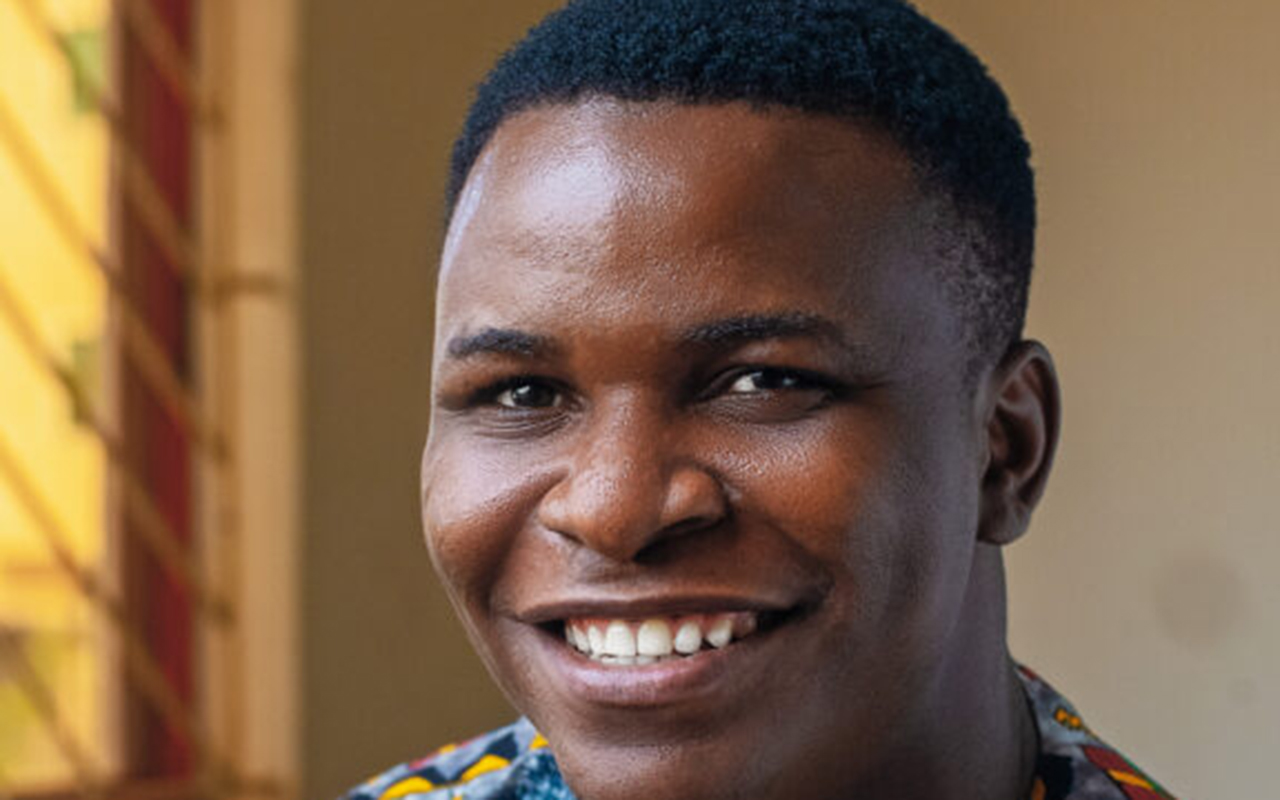
The 10th International Conference on Global Citizenship Education (IConGCED), held in Seoul, South Korea, brought together educators, policymakers, and experts to address the pressing issue of the post-truth crisis and its implications for democracy. Co-hosted by UNESCO, APCEIU, and the Korean Ministries of Education and Foreign Affairs, the conference, themed “Democracy in the Post-Truth Crisis: The Role of GCED,” explored the crucial role of education in empowering learners with the critical thinking skills necessary to navigate the deluge of misinformation in the digital age. David Akwara, a storyteller and filmmaker, delivered a compelling keynote address, advocating for a bottom-up approach to combating the spread of misinformation and fostering constructive dialogue.
Akwara, who leads Programme Development and Partnership at Africa’s Future Economic Leaders (AFEC), argued that the proliferation of disinformation stems from its ability to tap into pre-existing beliefs and biases. He emphasized that countering this phenomenon requires more than simply amplifying factual information; rather, it necessitates a grassroots strategy that equips young people with the tools to discern fact from fiction. This includes promoting fact-checking, modeling productive dialogue, and cultivating empathy within various social spheres, including schools, youth organizations, families, creative spaces, and community forums. His message resonated with the conference’s core theme, highlighting the urgent need to integrate these essential skills into global citizenship education.
Akwara’s central message revolved around the importance of imbuing truth with the same emotional resonance and urgency that often accompanies the dissemination of falsehoods. He stressed that “truth must be taught the way lies are taught, with speed, with emotions, with precision, and above all, with empathy.” This approach recognizes the emotional drivers behind belief formation and seeks to harness those same mechanisms to promote accurate information and critical engagement. He further underscored the need to cultivate a generation of “fact natives,” individuals who are as adept at verifying information as they are at navigating the digital landscape. Every unverified piece of information shared, he argued, contributes to the spread of misinformation, emphasizing the individual responsibility in combating this pervasive issue.
Recognizing that facts alone are often insufficient to persuade, Akwara advocated for the power of narrative. He emphasized the potential of stories grounded in factual accuracy to resonate with audiences on a deeper level, fostering empathy, sparking meaningful dialogue, and ultimately bridging the post-truth divide. He challenged the audience to move beyond simple dissemination of information and to embrace the power of storytelling as a tool for promoting truth and understanding. His vision centers on youths who are equally proficient in digital literacy and critical evaluation of information, emphasizing the symbiotic relationship between technological fluency and responsible information consumption.
Akwara’s personal narrative further highlighted the importance of fostering dialogue and empathy from a young age. Growing up in a community where conflict resolution prioritized action over conversation, he learned the importance of listening to understand rather than simply responding. This formative experience shaped his belief in the transformative power of dialogue and his commitment to empowering youth with the skills to navigate disagreement constructively. He stressed the need for early intervention in education to equip children with the skills to engage in productive dialogue, fostering empathy and understanding from the foundational stages of development.
The conference provided a platform for Akwara to share his vision and underscore the crucial role of UNESCO in offering training programs designed to enhance young people’s information literacy skills. He urged attendees to leverage these resources and empower the next generation with the ability to critically analyze, question, and verify information. His call to action emphasized the collective responsibility of educators, policymakers, and individuals to combat the post-truth crisis and foster a more informed and engaged citizenry. He positioned these initiatives as crucial steps towards rebuilding trust in a society increasingly fragmented by misinformation. Akwara’s address served as a powerful reminder of the urgency and importance of fostering critical thinking, empathy, and dialogue in the digital age, offering a roadmap for navigating the challenges of the post-truth era and strengthening the foundations of democracy.