


Close Menu
DISADISA
  • Home
  • News
  • Social Media
  • Disinformation
  • Fake Information
  • Social Media Impact
Trending Now

German Embassy Issues Formal Warning to Nigerian Nationals Regarding Unauthorized Visa Agents and Misinformation.

August 26, 2026

Social Media Addiction: Consequences, Risks, and Legal Remedies

August 26, 2026

ActionSA Lodges Formal Disinformation Complaint with IEC Against ANC’s Kgoši Maepa.

August 26, 2026
Facebook X (Twitter) Instagram
Facebook X (Twitter) Instagram YouTube
DISADISA
Newsletter
  • Home
  • News
  • Social Media
  • Disinformation
  • Fake Information
  • Social Media Impact
DISADISA
Home»News»AI or Not Secures $5 Million in Funding to Combat AI-Generated Fraud, Deepfakes, and Misinformation
News

AI or Not Secures $5 Million in Funding to Combat AI-Generated Fraud, Deepfakes, and Misinformation

Press RoomBy Press RoomJanuary 17, 2025No Comments
Facebook Twitter Pinterest LinkedIn Tumblr Email

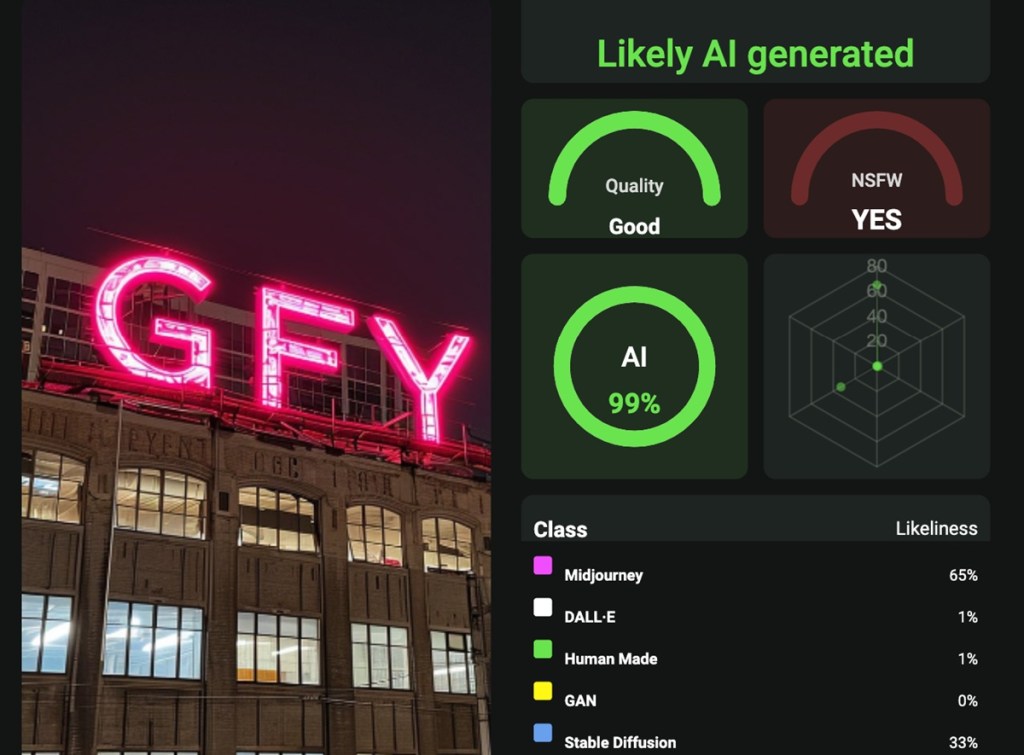
AI-Powered Fraud Detection Platform Secures $5 Million to Combat Deepfakes and Misinformation

In an era defined by the rapid advancement of artificial intelligence, a new threat has emerged: the malicious use of AI itself to perpetuate fraud and spread misinformation. Deepfakes, AI-generated images, audio, and video designed to deceive, have become increasingly sophisticated, posing a significant challenge to individuals, businesses, and governments alike. To combat this growing menace, AI or Not, an innovative AI fraud detection platform, has secured $5 million in seed funding, aiming to bolster its "AI to detect AI" technology and fortify defenses against AI-generated manipulation.

The funding round was led by Foundation Capital, with participation from GTMFund, Plug and Play, and several strategic angel investors. This investment underscores the urgency of addressing AI-driven fraud, which has become a paramount concern for corporate finance professionals. A startling 85% of these professionals now consider AI scams an "existential" threat, with more than half having already been targeted by deepfake technology. This escalating risk has propelled AI or Not’s growth, serving over 250,000 users to date. The newly acquired funding will be crucial in developing even more sophisticated detection methods, ensuring the platform stays ahead of the rapidly evolving landscape of AI-powered deception.

The potential financial impact of generative AI scams is staggering. Projections estimate that these scams could inflict losses exceeding $40 billion in the United States alone within the next two years. This alarming forecast emphasizes the critical need for robust defense mechanisms like AI or Not. The platform’s proprietary algorithms meticulously analyze and verify the authenticity of digital content, ranging from deepfakes impersonating political figures to AI-generated voices used to defraud the elderly, and even AI-created music infiltrating major streaming services. By identifying telltale signs of manipulation, AI or Not empowers users and organizations to distinguish between genuine content and AI-generated fabrications.

The rise of generative AI has ignited a double-edged sword. While offering immense potential for creativity and innovation, it has also unleashed a Pandora’s Box of malicious applications. Deepfakes, in particular, have become potent tools for spreading misinformation, damaging reputations, and perpetrating financial fraud. Recent controversies surrounding platforms like Meta highlight the growing public demand for authenticity and transparency in the digital realm. AI or Not is uniquely positioned to address these concerns, providing users and enterprises with the tools they need to navigate the complexities of the AI age and maintain trust in an increasingly manipulated digital landscape.

AI or Not’s core mission is to safeguard individuals and organizations from the perils of generative AI misuse. The platform’s advanced AI-powered tools operate in real-time, detecting deepfakes, fraud, and misinformation before they can inflict harm. This proactive approach is crucial in mitigating the potential damage of these AI-driven threats. The company, with its lean team of seven experts, is dedicated to ensuring authenticity in an environment increasingly saturated with AI-generated content. Their work is vital in preserving the integrity of digital information and protecting individuals and organizations from the devastating consequences of AI-powered deception.

The investment in AI or Not signifies a crucial step in the ongoing battle against AI-driven manipulation. As generative AI technology continues to evolve at an unprecedented pace, the ability to detect and counter its malicious applications becomes paramount. AI or Not, with its cutting-edge detection capabilities and commitment to continuous innovation, stands at the forefront of this critical fight. Their work is essential in preserving the integrity of digital information, protecting individuals and organizations from harm, and ensuring a safer, more trustworthy digital future. The funding will allow AI or Not to expand its team and further develop its technology, ensuring its continued effectiveness in combating the ever-evolving threat of AI-generated fraud and misinformation. The company’s commitment to safeguarding authenticity in the digital world makes it a key player in the ongoing effort to navigate the complex landscape of the AI era.

Share. Facebook Twitter Pinterest LinkedIn WhatsApp Reddit Tumblr Email

Read More

German Embassy Issues Formal Warning to Nigerian Nationals Regarding Unauthorized Visa Agents and Misinformation.

August 26, 2026

Health Experts Offer Evidence-Based Guidance for Navigating Online Nutrition Misinformation

August 26, 2026

NCIC and Faith Leaders Warn of Misinformation Threat Ahead of 2027 Elections

August 26, 2026
Add A Comment
Leave A Reply Cancel Reply

Our Picks

Social Media Addiction: Consequences, Risks, and Legal Remedies

August 26, 2026

ActionSA Lodges Formal Disinformation Complaint with IEC Against ANC’s Kgoši Maepa.

August 26, 2026

Health Experts Offer Evidence-Based Guidance for Navigating Online Nutrition Misinformation

August 26, 2026

The Threat of Anti-Disinformation Legislation to the Public Square

August 26, 2026
Stay In Touch
  • Facebook
  • Twitter
  • Pinterest
  • Instagram
  • YouTube
  • Vimeo

Don't Miss

News

NCIC and Faith Leaders Warn of Misinformation Threat Ahead of 2027 Elections

By Press RoomAugust 26, 20260

Kenya’s Peace Guardians Sound Alarm Over Hate Speech and Religious Weaponization Ahead of 2027 Election…

  1. Analyze the Request:

    • Original title: “How to spot ethnic disinformation on social media”
    • Task: Rewrite this to 1 title in English in a formal tone.
    • Constraints: Only 1 title, formal tone, must retain the core meaning (identifying/detecting ethnicity-based disinformation/falsehoods on social platforms).
  2. Evaluate the Original: The original is clear but uses “spot” (informal/colloquial for this context) and “ethnic” (slightly broad). “Disinformation” is a good formal term.

  3. Brainstorm Formal Alternatives:

    • “Identifying Ethnic Disinformation on Social Media Platforms” (good, formal, direct).
    • “Detecting Disinformation Targeting Ethnic Groups on Social Networks” (more specific, emphasizes targeting).
    • “A Guide to Identifying Ethnically-Focused Misinformation and Disinformation on Social Media” (too long).
    • “Recognizing Ethnic Disinformation in Social Media Environments” (wordy).
    • “Techniques for Uncovering Ethnic Disinformation on Digital Platforms” (practical).
    • Let’s synthesize. Formal titles usually prefer nouns like “Identifying”, “Detecting”, “Assessing”. The subject is specifically disinformation that is ethnic (based on ethnicity/race).
    • Option A: “Identifying Ethnic Disinformation on Social Media” (Best balance of formality, conciseness, and accuracy).
    • Option B: “Detecting Ethnic Misinformation and Disinformation on Digital Networks” (a bit longer).
    • Option C: “Strategies for Identifying Ethnic Disinformation in Social Media”.
  4. Select the Best Title: Option A is the most natural and formal direct translation. Let’s ensure it doesn’t sound like a casual tutorial. “Identifying” is academic/formal. “Ethnic disinformation” is precise. “Social Media” is standard.

    Let’s refine it slightly to be more impactful: “Detecting Ethnic Disinformation within Social Media Platforms” – a bit wordy. “Identifying Ethnic Disinformation on Social Media” – perfect.

  5. Final Check: Does it meet the criteria? 1 title (yes). English (yes). Formal tone (yes – “Identifying” is formal). Same meaning (yes). Let’s goIdentifying Ethnic Disinformation on Social Media

August 26, 2026

Identifying Ethnically Targeted Disinformation on Social Media Platforms

August 26, 2026

Identifying Health Misinformation

August 26, 2026
DISA
Facebook X (Twitter) Instagram Pinterest
  • Home
  • Privacy Policy
  • Terms of use
  • Contact
© 2026 DISA. All Rights Reserved.

Type above and press Enter to search. Press Esc to cancel.