


Pakistan’s Disinformation Blitz: Pre-emptive Narrative Warfare in the Aftermath of the Pahalgam Attack
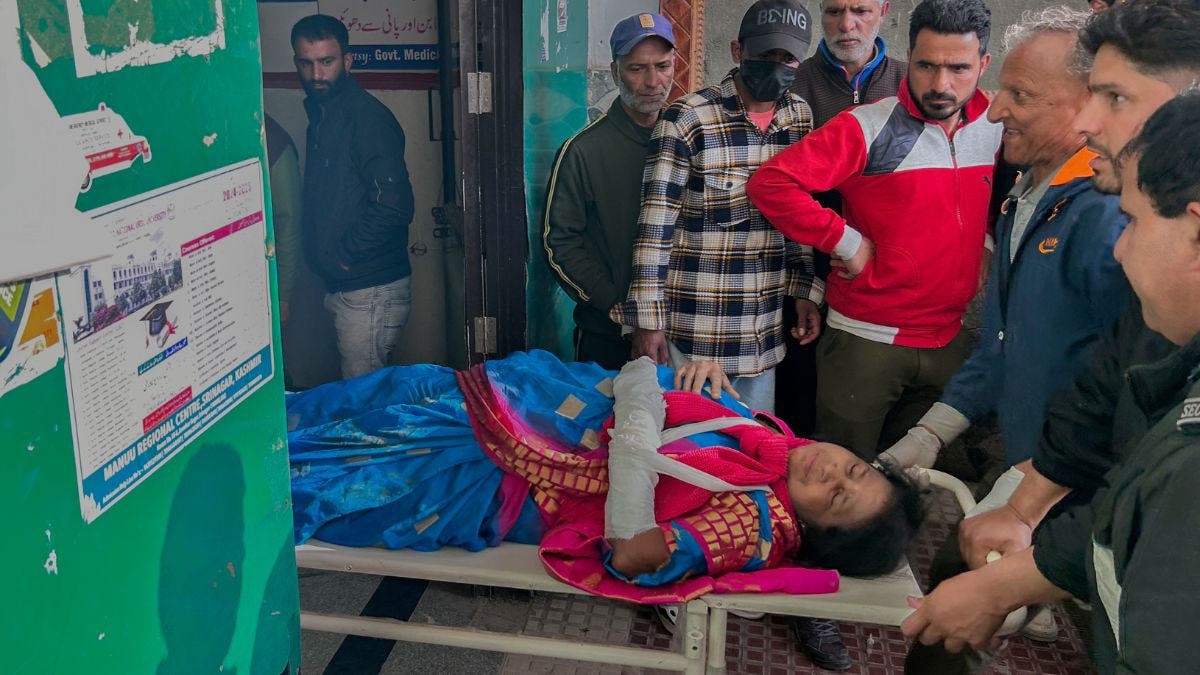
Even before the dust settled on the Pahalgam attack and the full extent of the tragedy became clear to Indian authorities, Pakistan launched a sophisticated disinformation campaign aimed at convincing Western audiences that India had orchestrated the attack as a false flag operation. This rapid response, as revealed by an investigation conducted by the Network Contagion Research Institute (NCRI) at Rutgers University, raises strong suspicions about Pakistan’s prior knowledge of the plot. Pakistan’s actions following the attack, including the evacuation of terrorist launchpads and heightened military activity, further suggest a pre-planned strategy to manage the fallout.
The NCRI investigation highlights the swift and coordinated nature of Pakistan’s disinformation campaign, which commenced even before India had ascertained basic facts about the attack, such as casualty figures and identities. Leveraging state actors and aligned media influencers, Pakistan flooded social media platforms, particularly X (formerly Twitter), with claims of a false flag operation, rapidly disseminating the narrative within Pakistani online communities and beyond.
This campaign unfolded in three distinct phases. Initially, state-linked Pakistani actors orchestrated the dissemination of the false flag narrative. Subsequently, bot networks, employing AI-generated memes and amplified by state media, propelled these claims into wider circulation. Finally, prominent Western influencers, some with documented histories of promoting anti-India and extremist content, amplified the message to millions of followers, significantly expanding its reach.
The strategic objective of this campaign was not merely to sway domestic opinion but to shape Western perceptions of the incident. By manipulating public opinion in the West, Pakistan sought to exert pressure on Western governments to condemn India, exploiting the inherent vulnerability of governments to public sentiment.
Pakistan’s disinformation toolkit combined the reach of hired influencers with the efficiency of artificial intelligence. The NCRI report reveals that over 20,000 posts on X propagated the false flag narrative, with approximately 40% originating from bot accounts. These bots employed generative AI to create terrorist-themed memes alleging an "Indian false flag exposed," accompanied by hashtags like #BJPBehindPahalgam and #StopModiFascism. Furthermore, Pakistan enlisted influencers such as Jackson Hinkle, Mohammed Hijab, and Zeeshan Ali, individuals previously implicated in disseminating anti-India and extremist content, including during the 2022 Leicester riots. Hinkle, a vocal supporter of designated terrorist organizations, used his podcast to provide a platform for anti-India narratives.
The NCRI’s analysis revealed a significant surge in disinformation activity on May 6, coinciding with India’s retaliatory airstrikes under Operation Sindoor. This surge, characterized by a dramatic increase in hashtag volume, underscores the opportunistic nature of the campaign, exploiting moments of heightened tension to maximize impact. The report also draws parallels between this campaign and previous disinformation efforts following the Pulwama attack and during the Israel-Hamas conflict, highlighting a pattern of employing disinformation to deflect blame and sow discord.
The NCRI emphasizes the potential real-world consequences of such campaigns, citing the Leicester riots as an example of how diaspora-targeted disinformation can incite violence and erode intercommunal trust. The report warns that the combination of generative AI, diaspora targeting, and collaboration with Western influencers represents a dangerous escalation in narrative warfare, potentially fueling real-world violence and undermining trust in credible information sources.
The NCRI report contrasts India’s reactive approach of banning accounts on X with Pakistan’s proactive engagement with influencers and utilization of AI. It recommends that India adopt a more proactive strategy by engaging with international public figures, including podcasters and commentators, to effectively communicate its perspective to a wider audience. Such engagement should extend beyond friendly voices to include critical perspectives, thereby fostering dialogue and reaching new audiences. This proactive approach is crucial in countering disinformation narratives and shaping global perceptions.
The prevalence of disinformation is not limited to the India-Pakistan conflict but extends to various global conflicts, often employed by authoritarian regimes. The erosion of trust in mainstream media and the difficulty in identifying bot activity contribute to the susceptibility of individuals to disinformation campaigns. As alternative media sources gain prominence, the challenge of combating disinformation becomes increasingly complex. The Indian Chief of Defence Staff’s remark that 15% of the armed forces’ time during Operation Sindoor was dedicated to countering disinformation underscores the significant resources required to combat this evolving threat. It highlights the need for a comprehensive strategy that combines proactive engagement with technological solutions to effectively counter disinformation narratives and safeguard the integrity of information.
The NCRI report serves as a stark reminder of the evolving nature of information warfare and the urgent need for robust counter-strategies. Proactive engagement with international audiences, coupled with innovative approaches to identify and neutralize disinformation campaigns, are essential to mitigate the real-world consequences of these manipulative tactics.