


Dissecting the Digital Deluge: Unmasking Misinformation in a Turbulent Week
In an era defined by the rapid dissemination of information, the line between truth and falsehood blurs with alarming ease. The past week serves as a stark reminder of the pervasive nature of misinformation, as fabricated narratives surrounding significant political and social events gained traction across online platforms. From Nepal’s political upheaval to communal tensions in India and a fabricated assassination in the United States, the incidents underscore the urgent need for critical thinking and rigorous fact-checking in the digital age.
Nepal’s Gen-Z Uprising: A Breeding Ground for Falsehoods
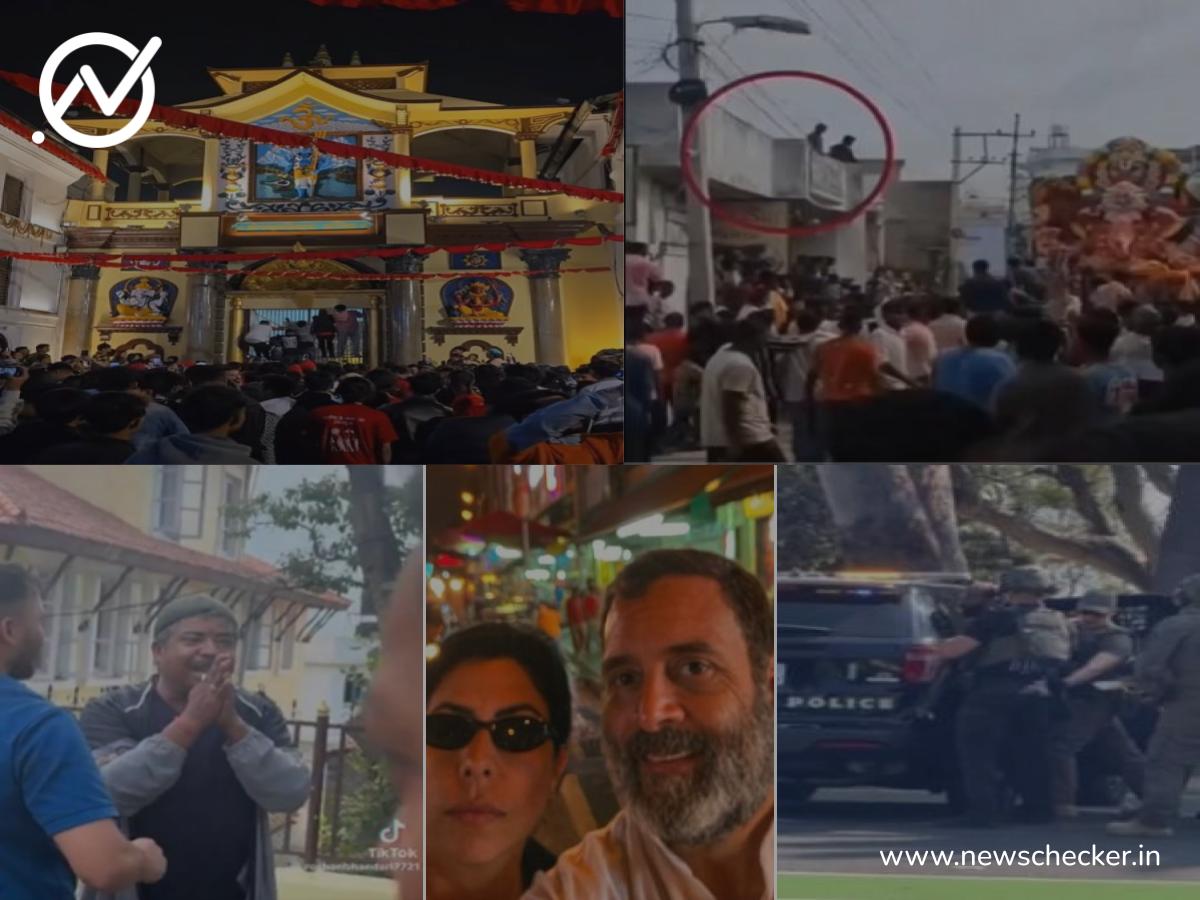
Recent protests in Nepal, spearheaded by the nation’s youth, culminated in the ousting of Prime Minister KP Sharma Oli. Amidst this political turmoil, a wave of misinformation swept across social media. One prominent example involved a video falsely purporting to show Gen-Z protesters attempting to vandalize the revered Pashupatinath Temple in Kathmandu. Fact-checkers swiftly debunked this claim, revealing that the footage was, in fact, old and unrelated to the protests. Similarly, a video depicting a man purported to be Communication Minister Prithvi Subba Gurung pleading with protesters outside his burning home was proven to be misattributed. The man in the video was not the minister, and the context was unrelated to the ongoing unrest. These instances demonstrate how easily manipulated visuals can fuel existing tensions and distort the narrative surrounding real-world events.
Communal Disinformation: Fanning the Flames of Discord
The spread of misinformation is particularly dangerous when it intersects with pre-existing social fault lines, as seen in the case of a viral video falsely claiming that Muslims hurled stones during a Ganesh Visarjan procession in Raichur, Karnataka, India. The video, which showed two young men throwing stones from a rooftop, was shared with inflammatory captions alleging communal violence. Fact-checking revealed that the claim was baseless. Such misinformation can exacerbate existing tensions between communities and have real-world consequences, highlighting the need for responsible social media consumption and the importance of verifying information before sharing it.
The AI-Generated Deception: Blurring the Lines of Reality
The proliferation of artificial intelligence (AI) technologies has introduced a new dimension to the challenge of combating misinformation. An AI-generated image of Congress leader Rahul Gandhi with a woman, falsely claimed to be his former partner, circulated widely online. This incident underscores the growing sophistication of AI-generated content and its potential to deceive. As AI technology becomes increasingly accessible, the creation and dissemination of fabricated images and videos will likely become more prevalent, posing a significant challenge to identifying and debunking false narratives.
Fabricated Assassinations and Misattributed Videos: The Charlie Kirk Case
The spread of misinformation also extended to the United States, where false reports of conservative activist Charlie Kirk’s assassination circulated, accompanied by misattributed videos purporting to show the shooter. These videos, which were unrelated to any such incident, were shared widely on social media, illustrating the speed at which false information can proliferate and the importance of verifying the source and context of online content. The incident highlights the danger of sharing unverified information, particularly in the aftermath of potentially traumatic events.
Combating the Infodemic: A Collective Responsibility
The proliferation of misinformation across geographical boundaries and across a spectrum of issues underscores the urgent need for a multi-pronged approach to combat this digital deluge. News organizations, fact-checking websites, and social media platforms must collaborate to identify and debunk false narratives swiftly and effectively. Furthermore, media literacy education is crucial in empowering individuals to critically evaluate the information they encounter online. Promoting critical thinking, encouraging skepticism, and fostering a culture of verification are essential steps in mitigating the harmful effects of misinformation and safeguarding the integrity of information in the digital age. In an increasingly interconnected world, the fight against misinformation is not merely a technological challenge, but a collective responsibility. We must all become more discerning consumers of information, actively engaging in the process of verification and challenging the spread of falsehoods. The future of informed public discourse hinges on our ability to navigate the complex digital landscape with critical awareness and a commitment to truth.