


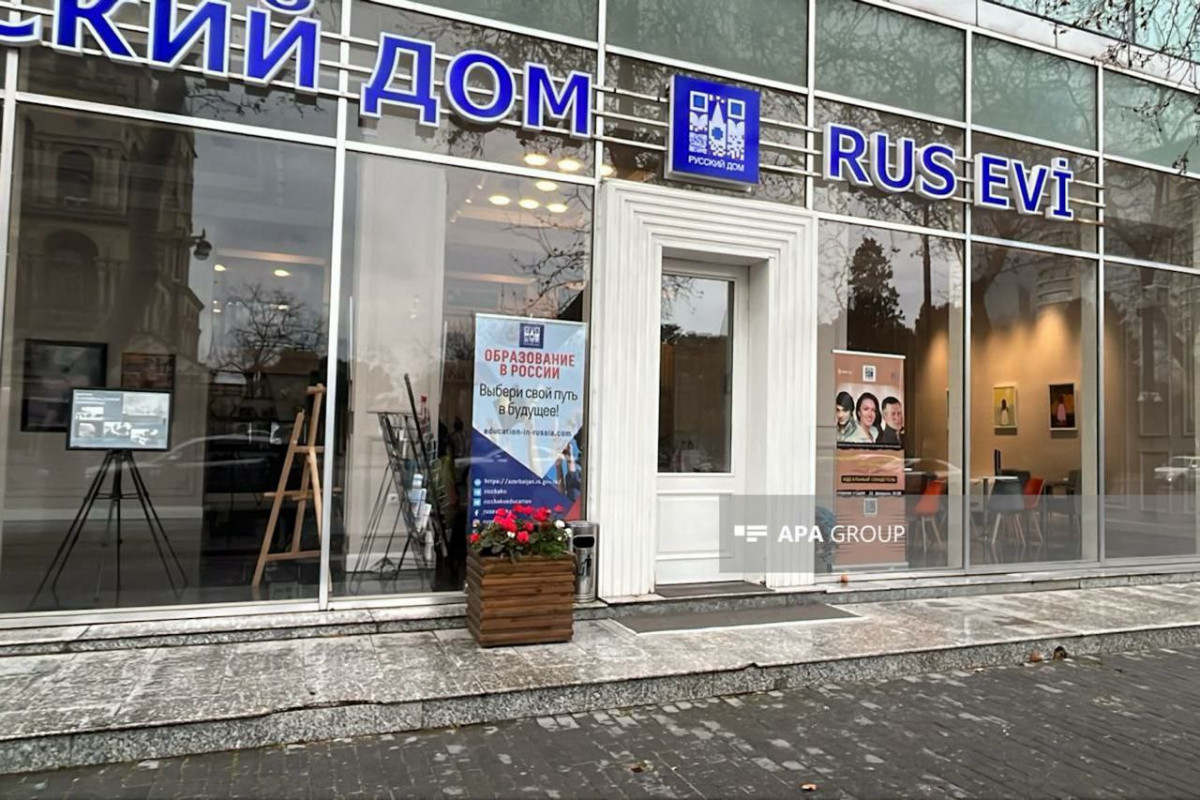
Baku’s "Russian House" Denounces Disinformation Campaign Utilizing Forged Documents
The "Russian House" (Rossotrudnichestvo) in Baku, a prominent cultural and educational center promoting Russian language and culture, has vehemently condemned a recent wave of disinformation targeting the institution and prominent Azerbaijani figures. The campaign, involving the fabrication and dissemination of counterfeit documents bearing the "Russian House" logo, has sparked concerns about malicious intent and the potential for escalating political tensions. The forged documents allege the involvement of Azerbaijani government officials, including Hikmet Hajiyev, Assistant to the President of Azerbaijan, in Russian language courses offered by the center. The "Russian House" categorically denies these claims, asserting that the documents are entirely fabricated and do not reflect reality. The organization has urged the public to disregard the falsified information and has emphasized that any information disseminated outside its official channels should be considered spurious.
The disinformation campaign, orchestrated through a foreign-based YouTube channel allegedly operating under the direction of undisclosed special services, has raised serious questions about the motivations behind the fabricated documents. The "Russian House" has explicitly acknowledged its awareness of the forged document implicating Hikmet Hajiyev, reiterating its denial of any such association. The timing and nature of the disinformation campaign suggest a calculated attempt to undermine the reputation of the "Russian House" and to sow discord between Azerbaijan and Russia. The deliberate use of forged documents bearing the organization’s logo underscores the malicious intent behind the operation, aiming to lend a veneer of credibility to the fabricated claims.
The "Russian House" has issued a stern warning against the continued dissemination of the forged documents, emphasizing the legal and criminal ramifications of such actions. The organization has underscored that the unauthorized use of its symbols, forgery of documents, and the propagation of false information are subject to both civil and criminal penalties. This firm stance highlights the seriousness with which the "Russian House" views the disinformation campaign and its commitment to protecting its reputation and upholding the integrity of its operations. The organization has reiterated the importance of relying solely on its official online platforms and social media pages for accurate and verified information.
The dissemination of disinformation through online platforms like YouTube raises critical questions about the role and responsibility of tech companies in combating the spread of false information. While YouTube has reportedly taken action to remove the offending content, the persistence of such channels highlights the challenges in effectively policing online platforms and preventing the rapid dissemination of fabricated content. The "Russian House" incident underscores the need for more robust mechanisms to identify and remove disinformation, as well as to hold accountable those who create and distribute such harmful content.
The incident also draws attention to the broader geopolitical context and the potential for disinformation campaigns to exacerbate existing tensions between nations. The targeting of the "Russian House" and a prominent Azerbaijani government official suggests an attempt to exploit sensitive political dynamics and to create friction in the relationship between Azerbaijan and Russia. This incident serves as a reminder of the vulnerability of diplomatic relations to disinformation campaigns and the importance of vigilance in identifying and countering such malicious efforts.
The statement released by the "Russian House" has also sparked controversy regarding Germany’s alleged role in harboring individuals and organizations engaged in disinformation campaigns against Azerbaijan. The claim that German authorities protect individuals disseminating false information, despite YouTube’s removal of such content, has fueled accusations of double standards and complicity in undermining Azerbaijan’s stability. These allegations warrant further investigation and underscore the complexities of international cooperation in combating disinformation and holding perpetrators accountable. The "Russian House" incident highlights the urgent need for a concerted global effort to address the growing threat of disinformation and to safeguard the integrity of information ecosystems.