


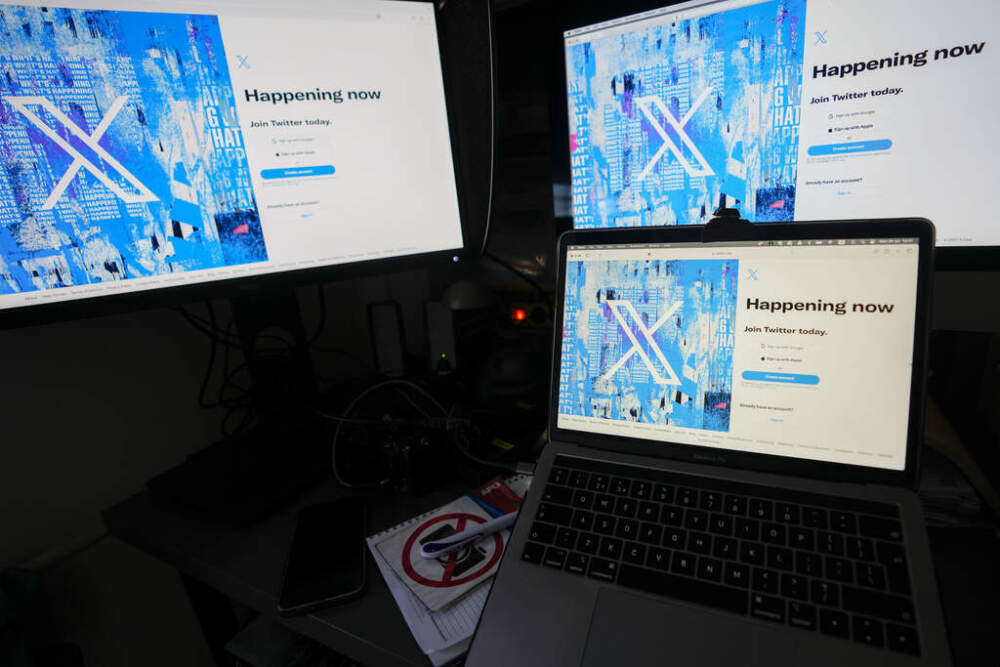
The Looming Threat of Post-Election Disinformation: Social Media’s Inadequate Preparations
The 2024 US election is fast approaching, and with it comes a surge of misinformation, disinformation, and threats of violence, particularly concerning the election’s outcome. While the pre-election period is rife with such activity, experts warn that the real danger lies in the days and weeks following November 5th. Social media platforms, the primary vectors for this harmful content, appear ill-prepared to address the escalating crisis, raising serious concerns about the potential for real-world consequences.
Investigative reporting has revealed alarming trends on platforms like Facebook (now Meta). Small, localized militia groups are utilizing the platform to organize and recruit, often engaging in discussions about potential civil conflict depending on the election results. The ease with which these groups operate, despite Meta’s stated bans, is troubling. Moreover, the platform’s auto-generation feature, which inadvertently creates pages for banned groups, highlights the inadequacy of its content moderation mechanisms.
The rapid spread of misinformation and disinformation is further fueled by the interconnected nature of social media. Recent events, such as the aftermath of Hurricane Idalia, demonstrated how quickly false narratives can proliferate online, eroding public trust in government institutions and sowing discord. These narratives are often amplified by influential figures, reaching vast audiences and further exacerbating existing societal divisions.
The lack of transparency from social media companies regarding their post-election strategies is deeply concerning. While platforms like TikTok have issued statements outlining their efforts to combat misinformation, many others have remained silent, refusing to engage with journalists and researchers. This lack of accountability raises questions about their commitment to protecting the integrity of the electoral process and preventing the spread of harmful content.
Experts argue that simply removing overtly dangerous content is a superficial approach. The focus should shift towards creating a healthier information ecosystem by promoting media literacy, fostering critical thinking skills, and ensuring access to reliable information. Social media companies should prioritize interventions that disrupt the spread of misinformation and disinformation, rather than relying solely on reactive content moderation.
The responsibility of social media companies in safeguarding democracy cannot be overstated. Their platforms have become powerful tools for shaping public opinion and mobilizing action. Failing to adequately address the threat of post-election disinformation is a dereliction of their civic duty and a dangerous gamble with the future of American democracy. The need for greater transparency, accountability, and proactive measures is paramount.