








National Disaster Preparedness Survey Reveals Widespread Anxiety Among Japanese Citizens
A recent nationwide survey conducted by Tokyo-based firm Macromill has illuminated the anxieties of Japanese citizens regarding disaster preparedness. The survey, which polled 200,000 individuals across the country in early February, reveals a significant concern among respondents regarding confirming the safety of loved ones and the spread of misinformation in the wake of a catastrophic event. These findings underscore the need for enhanced communication strategies and community-building initiatives to mitigate the psychosocial impacts of future disasters.
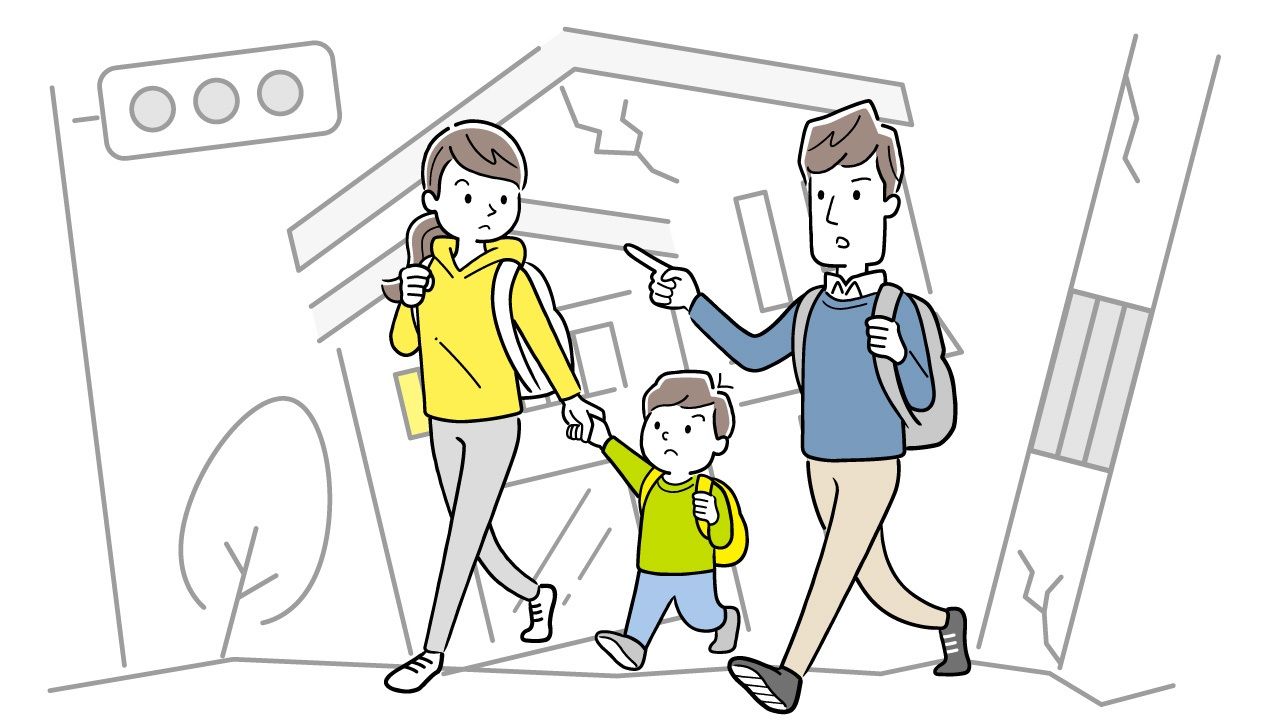
The survey revealed a pervasive unease about confirming the well-being of others following a disaster. A staggering 67.5% of respondents expressed concern, with 29.8% categorizing their concern as "very high" and another 37.7% as "somewhat concerned." This anxiety was particularly pronounced among households with parents and children, reaching 72.8%. This heightened concern likely reflects the deep emotional bonds within families and the inherent vulnerability children face during emergencies. The findings suggest a need for accessible and reliable communication systems that can rapidly reunite families and alleviate the psychological distress associated with uncertainty during disaster situations.
Furthermore, the survey highlighted a concerning correlation between population density and community preparedness. Residents of larger cities with populations exceeding 500,000 were significantly less likely to have established support networks with their neighbors. A concerning 34.6% reported having made no such preparations. This urban-rural divide in community resilience emphasizes the need for tailored disaster preparedness programs that address the unique challenges faced by densely populated urban areas. Promoting neighborhood associations, community emergency drills, and accessible communication platforms could significantly enhance the resilience of urban populations.
The proliferation of misinformation, commonly referred to as "fake news," emerged as another significant concern among respondents. Nearly 63% expressed apprehension about the reliability of information during a disaster, with 23.2% being "very concerned" and 39.5% "somewhat concerned." This finding reflects the growing awareness of the detrimental impact of false information during emergencies, which can hinder rescue efforts, exacerbate panic, and impede recovery. Combating this threat requires a multi-pronged approach involving media literacy programs, robust fact-checking initiatives, and the development of trusted information dissemination channels during crises.
Interestingly, the survey revealed a heightened sensitivity to misinformation among younger respondents. Approximately 30% of individuals under 19 expressed significant concern about the reliability of information during a disaster, exceeding the concern expressed by older age groups. While this demographic, often labeled as “digital natives,” possesses significant technological proficiency, their relative lack of real-world experience may make them more susceptible to online falsehoods. This vulnerability underscores the importance of incorporating media literacy education into school curricula and empowering young people with critical thinking skills to discern credible information from misleading content.
The survey also indicates a significant gap in disaster preparedness strategies between urban and rural populations. The lack of established community ties in larger cities highlights the isolating effect of urban living, which can be exacerbated during emergencies. This finding underscores the need for targeted programs aimed at fostering community connections and building resilience within urban environments. Such initiatives could include promoting neighborhood associations, organizing community disaster drills, and implementing accessible communication platforms specifically designed for urban areas. Bridging this preparedness gap is crucial to ensuring the safety and well-being of all citizens, regardless of their geographical location.
In conclusion, the Macromill survey provides valuable insights into the prevailing anxieties and preparedness gaps within Japanese society. The widespread concern regarding confirming the safety of loved ones and the pervasive threat of misinformation highlight the need for comprehensive disaster preparedness strategies. Addressing these concerns requires collaborative efforts involving government agencies, community organizations, and individuals. Strengthening communication networks, fostering community ties, and promoting media literacy are crucial steps towards building a more resilient nation capable of effectively navigating future disasters. The findings of this survey serve as a call to action, urging proactive measures to mitigate the potential impacts of future disasters and safeguard the well-being of all citizens.


