


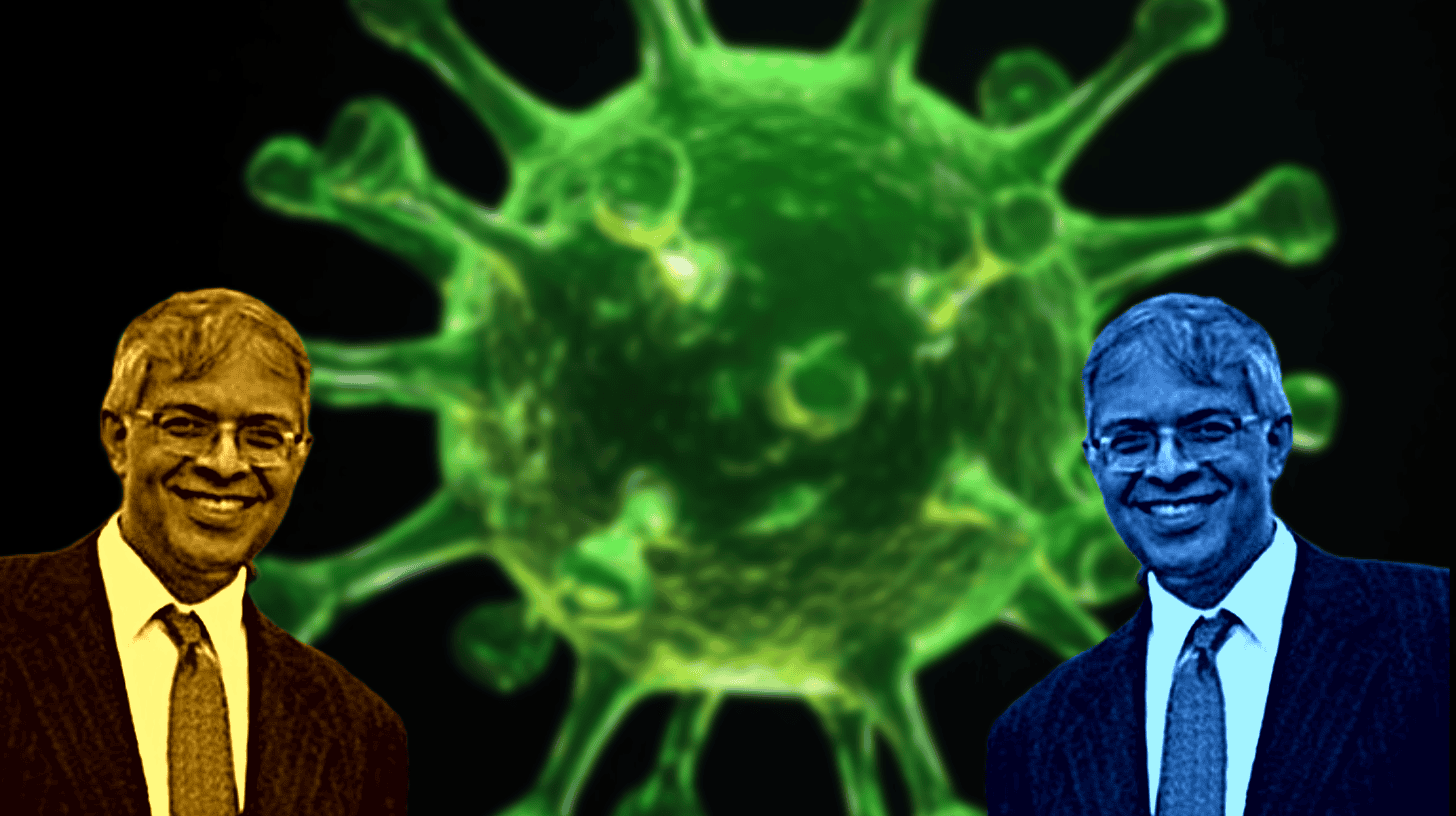
Dr. Jay Bhattacharya: From COVID Contrarian to Potential NIH Director – A Controversial Nomination Sparks Alarm
The nomination of Dr. Jay Bhattacharya, a Stanford economist and physician, to lead the National Institutes of Health (NIH) has ignited a firestorm of controversy within the scientific and medical communities. Bhattacharya, a prominent figure in the anti-lockdown movement during the COVID-19 pandemic, has a history of espousing views that contradict established scientific consensus, raising serious concerns about the future of the world’s premier biomedical research institution under his leadership. His nomination by former President Donald Trump and subsequent confirmation hearing have further amplified these anxieties, revealing a pattern of scientific misconduct and a troubling disregard for evidence-based public health practices.
Bhattacharya’s public statements on vaccines, particularly his suggestion of a potential link between vaccines and autism, have drawn sharp criticism. Despite decades of research debunking this myth, Bhattacharya’s remarks on a right-wing podcast in September 2024 lent credence to this long-discredited theory, echoing the dangerous rhetoric of anti-vaccine proponents like Robert F. Kennedy Jr., Trump’s pick for Health and Human Services Secretary. This incident underscores a larger pattern of skepticism towards established medical science, fueling concerns about his ability to objectively lead an institution dedicated to advancing biomedical research.
Central to Bhattacharya’s controversial stance is his role in crafting the Great Barrington Declaration in 2020. This document advocated for a "herd immunity" strategy against COVID-19, proposing to shield the vulnerable while allowing the virus to spread unchecked among the general population. This approach, widely condemned by public health experts, ignored the potential for long COVID, the overwhelming strain on healthcare systems, and the impracticality of isolating vulnerable populations effectively. The declaration was embraced by right-wing political figures and groups opposed to pandemic restrictions, further politicizing the public health response and undermining trust in scientific expertise.
Bhattacharya’s flawed assessment of the COVID-19 situation in Florida in July 2021 further illustrates his troubling tendency to downplay the virus’s severity. Despite rising case numbers and the emergence of the Delta variant, he reassured the public that the vulnerable were protected and that cases and deaths had been "decoupled." This optimistic assessment proved tragically inaccurate, as the Delta wave ravaged Florida, claiming tens of thousands of lives, many of whom were younger and healthier than previous victims. Bhattacharya’s failure to acknowledge his misjudgment and continued advocacy for his flawed policies raises serious questions about his judgment and commitment to evidence-based decision-making.
Beyond his public pronouncements, Bhattacharya has also been implicated in scientifically questionable research practices. His involvement in a 2020 seroprevalence study in Santa Clara County, California, designed to estimate COVID-19 infection rates, was marred by methodological flaws and ethical breaches. The study, which initially suggested a much lower infection fatality rate than previously thought, was later found to have suffered from recruitment biases and inaccurate testing procedures. Despite these flaws, the study was widely publicized by conservative media and politicians eager to downplay the pandemic’s severity. The controversy surrounding this study further underscores the concerns surrounding Bhattacharya’s scientific rigor and his potential to politicize research findings.
The prospect of Bhattacharya leading the NIH, with its $48 billion research budget, has alarmed many scientists and public health professionals. They fear that his ideological leanings and history of scientific misconduct will undermine the integrity of the institution and jeopardize its mission to advance biomedical research. His confirmation hearing did little to assuage these fears, as he attempted to downplay his past controversial statements while simultaneously suggesting the possibility of directing NIH funds towards research on the debunked link between vaccines and autism. This apparent disregard for scientific consensus raises the troubling specter of an NIH driven by political agendas rather than evidence-based principles, potentially jeopardizing public health and eroding public trust in scientific institutions.
Bhattacharya’s nomination represents a significant departure from the tradition of appointing scientifically respected and impartial leaders to head the NIH. His history of promoting scientifically dubious claims, downplaying the severity of the COVID-19 pandemic, and engaging in questionable research practices casts a long shadow over his suitability for this crucial role. The future of the NIH, and indeed the health of the nation, hinges on whether his appointment will prioritize scientific integrity and evidence-based decision-making or succumb to political pressures and ideological agendas. The scientific community remains deeply concerned about the potential ramifications of his leadership, and the coming years will reveal the true impact of this controversial appointment on the future of biomedical research and public health in the United States.